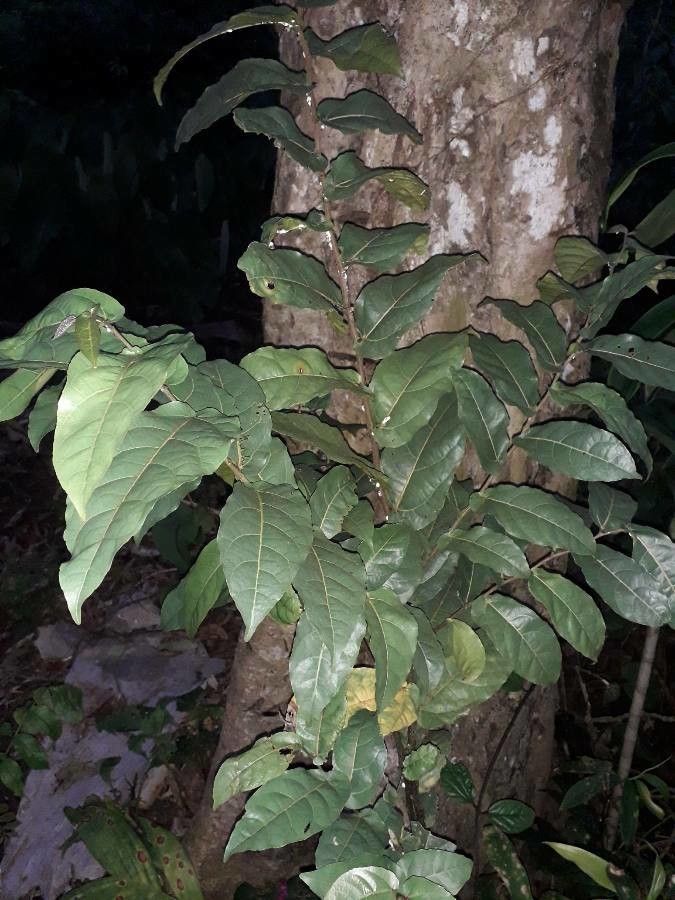
Hello, fellow plant lovers! If you’ve ever admired the lush, glossy leaves of a Ficus barclayana and wished you could have more of them, you’re in luck. Today, I want to share a little secret – propagating this beautiful fig is a truly rewarding experience. It’s a fantastic way to expand your collection or share a piece of living joy with friends. And for those of you just starting out on your plant journey? I’m happy to say Ficus barclayana is quite forgiving, making it an excellent candidate for your first propagation adventure.
The Best Time to Start
When it comes to getting our little fig babies to root, timing is everything. I’ve found the spring and early summer to be the sweet spot. This is when the plant is actively growing and has plenty of energy to put into developing new roots. Waiting for new growth, especially stems that feel firm but not woody, is your cue. Avoid trying to propagate during the plant’s resting period in winter; you’ll just be working against nature.
Supplies You’ll Need
You don’t need a whole greenhouse to get started, just a few well-chosen items. Think of these as your trusty companions on this propagation journey:
- Sharp Pruning Shears or a Clean Knife: For making clean cuts.
- Rooting Hormone (Optional but Recommended): Especially for stem cuttings, this little powder or gel can significantly boost your success rate.
- Well-Draining Potting Mix: A blend of perlite, peat moss, and a good quality potting soil works wonders. You can also buy specialized cactus or succulent mixes.
- Small Pots or Containers: Clean pots with drainage holes are essential.
- Clear Plastic Bag or Propagation Dome: To create a humid environment.
- Spray Bottle: For misting.
- Filtered Water or Distilled Water: Tap water can sometimes contain salts or chlorine that hinder rooting.
- Labels and a Marker: To keep track of what you’ve propagated and when!
Propagation Methods
Ficus barclayana is a trooper, and it’s quite adaptable when it comes to how we start new plants. Here are my two favorite methods:
Stem Cuttings
This is probably the most common and reliable method for Ficus barclayana.
- Take Your Cuttings: Select a healthy, non-flowering stem from your mature plant. Look for stems that have new growth but are not overly soft. Using your clean shears or knife, make a cut just below a leaf node (where a leaf attaches to the stem). You want cuttings that are about 4-6 inches long, with at least two leaf nodes.
- Prepare the Cuttings: Gently remove the lower leaves from your stem cutting, leaving just two or three at the top. This prevents them from rotting when buried. If the remaining leaves are very large, you can cut them in half to reduce water loss.
- Apply Rooting Hormone: Dip the cut end of the stem into rooting hormone, tapping off any excess. This step is optional, but I find it gives the cuttings a good head start.
- Planting: Fill your clean pot with your well-draining potting mix. Make a small hole in the center with your finger or a pencil. Gently insert the cut end of the stem into the hole, ensuring at least one leaf node is below the soil surface. Firm the soil around the stem.
- Create Humid Environment: Water the soil lightly. Then, cover the pot with a clear plastic bag or a propagation dome. If using a bag, you might want to support it with stakes so it doesn’t touch the leaves.
- Placement: Place the pot in a bright, indirect light location. Avoid direct sunlight, which can scorch the delicate cuttings.
Water Propagation
This is a fantastic visual method, and sometimes Ficus barclayana roots beautifully this way.
- Prepare Cuttings: Follow steps 1 and 2 from the stem cutting method above.
- Place in Water: Fill a clean jar or glass with filtered or distilled water. Place the prepared cuttings into the water, making sure that the leaf nodes are submerged, but the leaves themselves are well above the water line. This is crucial to prevent rot.
- Placement and Water Changes: Put the jar in a bright, indirect light spot. Change the water every few days to keep it fresh and prevent bacterial growth.
The “Secret Sauce” (Pro Tips)
Over the years, I’ve picked up a few tricks that seem to make all the difference for my figs:
- The Warmth Advantage: Ficus barclayana absolutely loves a little bottom heat for rooting. Placing your pots on a heat mat specifically designed for propagation can truly speed things up and encourage robust root development. It mimics the warmth of the soil in nature.
- Don’t Rush the Dip: If you’re using powdered rooting hormone, I like to add just a tiny bit of water to the powder in a separate small dish to create a paste. Then, I dip the cutting into the paste. This seems to help the hormone adhere more effectively than just dipping into dry powder.
- Watch for That “Stubborn” Stage: Sometimes, cuttings can look a bit sad and droopy for weeks. Don’t give up on them too soon! If the stem is still firm and the leaves are still green, there’s a good chance roots are forming under the soil, even if you can’t see them yet.
Aftercare & Troubleshooting
Once you start seeing roots – hooray! For stem cuttings, you’ll feel a gentle tug when you lightly pull on the stem. For water propagation, you’ll see those glorious white roots emerging.
- Transplanting: When the roots are about an inch long, it’s time to gently transplant your cutting into its own pot with well-draining soil. Water thoroughly, then treat it like a small version of your mature plant. Keep it in slightly higher humidity for the first week or two as it adjusts.
- Watering: Water when the top inch of soil feels dry. Overwatering is a common mistake and can lead to root rot.
- Troubleshooting:
- Yellowing Leaves: Can be a sign of overwatering. Check the soil moisture.
- Wilting/Drooping: If the roots haven’t formed yet, this can be normal for cuttings. If roots have formed, then it might be underwatering or a sign of rot.
- Rot: A mushy, black stem end is a sure sign of rot, usually caused by too much moisture and poor air circulation. If you catch it early, you can sometimes cut off the rotten part and try to re-root the healthy portion.
A Final Thought
Propagating Ficus barclayana is a journey of patience and observation. Don’t be discouraged if your first attempt doesn’t yield immediate results. Each cutting is a little experiment, and there’s so much to learn from the process. So, grab your shears, get your hands dirty, and enjoy the wonderful satisfaction of coaxing new life from a plant you love. Happy propagating!
Resource:
https://identify.plantnet.org/k-world-flora/species/Ficus%20barclayana%20(Miq.)%20Miq./data