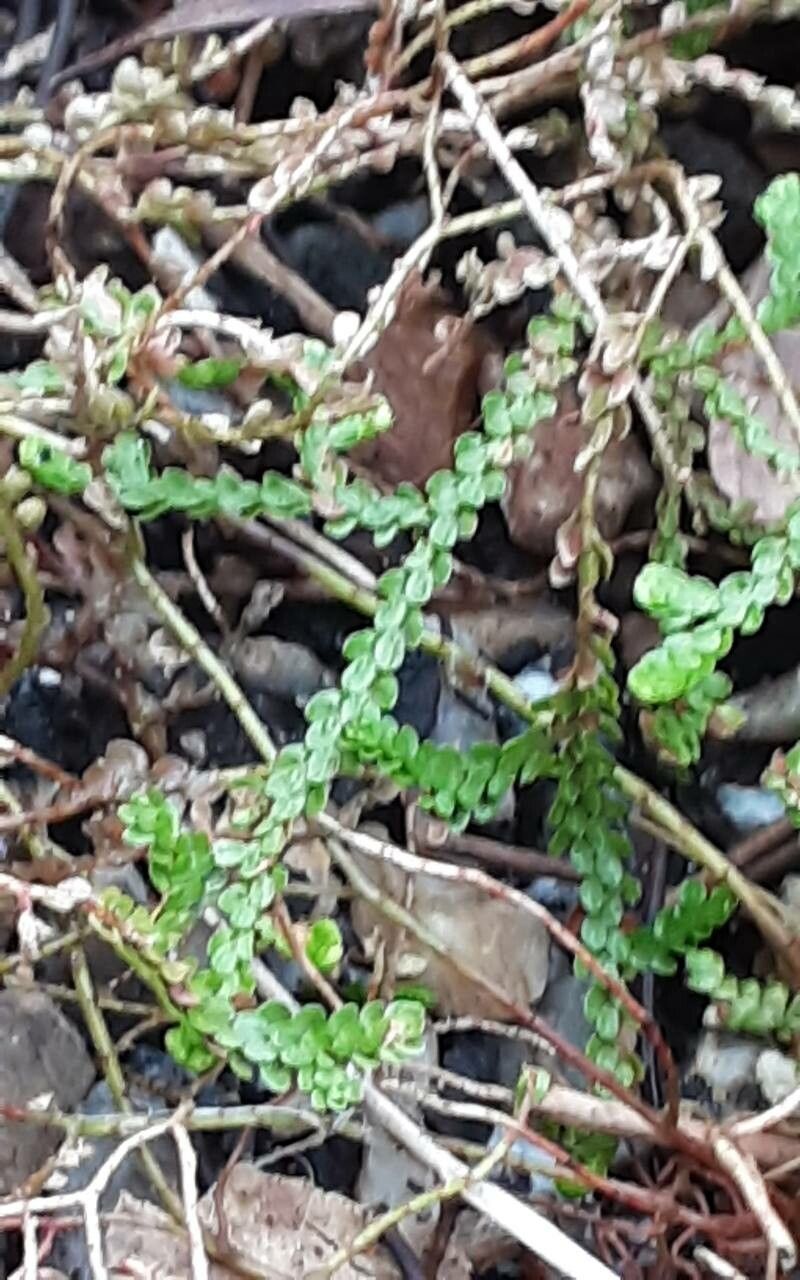
Oh, Selaginella douglasii! If you’ve ever seen one of these beauties unfurling its delicate, fern-like fronds, you know exactly why they captivate us. They bring a touch of the ancient forest floor right into our homes, with their intricate patterns and soft, verdant glow. And the magic of coaxing a new Selaginella into being from just a tiny piece? It’s incredibly rewarding. Now, I’ll be honest, Selaginella can be a little bit fussy, but with a bit of love and attention, propagating Selaginella douglasii is absolutely achievable for even the most beginner of gardeners. Don’t let that deter you – think of it as a delightful challenge with a beautiful payoff!
The Best Time to Start
For the highest success rate, I find late spring to early summer is your sweet spot. It’s when the plant is actively growing, full of vigor, and more eager to put out new roots. Any time the plant is showing fresh, new growth is a good sign that it’s ready to be propagated. Avoid trying to take cuttings when the plant is stressed or dormant.
Supplies You’ll Need
Here’s what you’ll want to have on hand:
- Sharp pruning shears or a clean knife: For making clean cuts.
- Well-draining potting mix: A mix of peat moss, perlite, and a bit of orchid bark works wonders. You can also find specific houseplant or terrarium mixes that will do the trick.
- Small pots or trays: With drainage holes, of course! If you’re using trays, make sure they have a clear lid or you have plastic wrap to create a humid microclimate.
- Rooting hormone (optional, but helpful): A powder or gel can encourage faster root development.
- Perlite or vermiculite: To help with aeration and moisture retention in your potting mix.
- Spray bottle: For misting.
- Clear plastic bag or dome: To cover your cuttings and maintain humidity.
Propagation Methods
There are a couple of ways we can get new Selaginella plants going, but my go-to method for Selaginella douglasii is stem cuttings. It’s reliable and gives you the best chance of success.
Stem Cuttings:
- Select Your Cuttings: Gently examine your healthy, established Selaginella douglasii. Look for healthy stems that are at least 2-3 inches long and have several sets of leaves. These will be the ones that are most likely to root.
- Make the Cut: Using your sharp pruning shears or knife, make a clean cut just below a leaf node (where a leaf emerges from the stem). This is where roots are most likely to form. Try to take cuttings from the tips of the stems.
- Prepare the Cutting: Gently remove the lower leaves from the stem, leaving at least two sets of leaves at the top. This prevents the submerged leaves from rotting and allows the plant to focus its energy on root development.
- Apply Rooting Hormone (Optional): If you’re using rooting hormone, dip the cut end of the stem into the powder or gel. Tap off any excess.
- Plant Your Cuttings: Fill your small pots or trays with your prepared well-draining potting mix. Moisten the soil slightly. Make a small hole with your finger or a pencil and gently insert the cut end of the Selaginella stem. Firm the soil gently around the stem to ensure good contact.
- Create a Humid Environment: Water gently, making sure not to dislodge the cuttings. Cover the pot or tray with a clear plastic bag or a propagator lid to create a mini-greenhouse. This is crucial for Selaginella, as they love high humidity. Place the pot in a location with bright, indirect light. Avoid direct sunlight, which can scorch the delicate leaves.
The “Secret Sauce” (Pro Tips)
Over the years, I’ve learned a few tricks that really make a difference:
- The “Air Gap” for Water Propagation: While I prefer cuttings in soil for Selaginella douglasii, if you ever do try water propagation with other plants, a key is not letting the lower leaves touch the water. They’ll rot quickly. We want roots, not mush!
- Bottom Heat is Your Friend: For those especially stubborn cuttings, a gentle bit of bottom heat from a heating mat can significantly speed up root formation. Just make sure it’s not too hot – think lukewarm bathwater.
- Patience is Paramount: Seriously, this is the biggest piece of advice. Selaginella can be slow growers. Don’t fuss over them too much. Resist the urge to constantly check for roots every day.
Aftercare & Troubleshooting
Once you see signs of new growth – tiny new leaves or tiny white roots peeking out of the drainage holes – you’re on the right track! Gradually acclimate your new plant to slightly lower humidity levels by opening the plastic bag or lid for a few hours each day. Continue to keep the soil consistently moist, but not waterlogged.
The main issue you might encounter is rot. If you see your cuttings turning mushy or developing black spots, it’s usually a sign of too much moisture and not enough air circulation. Ensure your soil drains well and don’t overwater. If a cutting rots, unfortunately, it’s best to discard it and start again, learning from the experience.
A Encouraging Closing
Watching a new Selaginella plant unfurl from a tiny cutting is one of gardening’s quiet triumphs. Be patient with your little green babies, enjoy the process of nurturing them, and remember that every successful propagation is a testament to your growing green thumb. Happy rooting!
Resource: