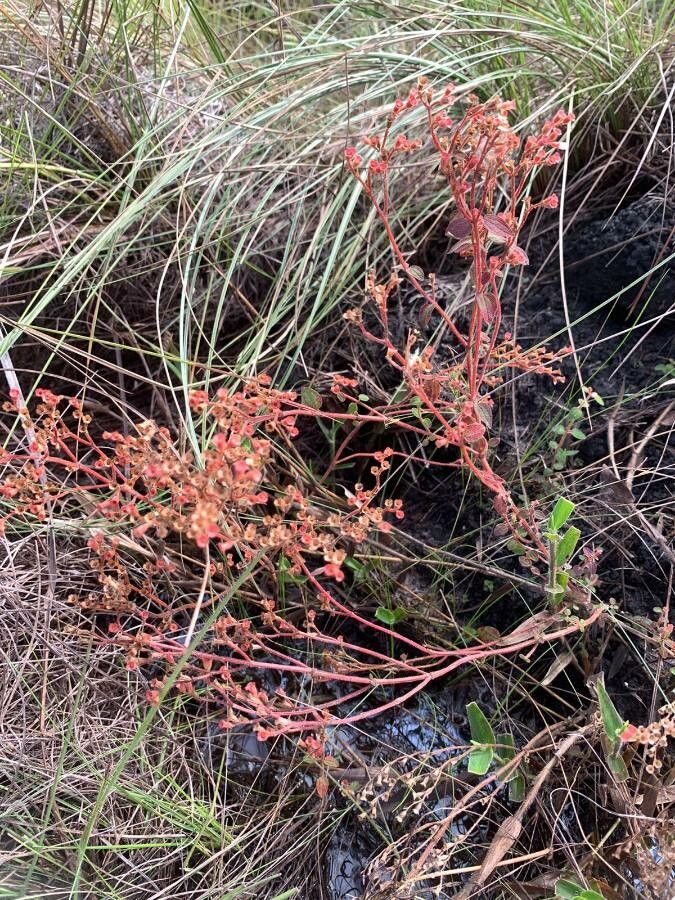
Oh, hello there! Grab a cup of your favorite brew, and let’s chat about one of my most cherished plants: Appendicularia thymifolia. If you’ve ever seen this little gem, you know why it’s so captivating. Its delicate, tiny leaves, reminiscent of thyme but with a subtle shimmer, make it a delightful addition to any windowsill or garden nook. And the best part? Bringing new life into existence from a parent plant is truly one of the most rewarding experiences a gardener can have. Now, for beginners, I’d say Appendicularia thymifolia is moderately easy. It’s not as foolproof as, say, a pothos, but with a little attentive care, you’ll be swapping cuttings with friends before you know it.
When to Get Your Hands Dirty
The sweet spot for propagating Appendicularia thymifolia is really when it’s actively growing, usually in late spring or early summer. The plant is bursting with energy then, meaning your cuttings are more likely to have the vigor they need to root successfully. You want to take cuttings from healthy, non-flowering stems. Think of it as harvesting the prime, energetic bits of your plant.
What You’ll Need for Success
Gathering your supplies beforehand makes the whole process go much smoother. Here’s a little checklist for you:
- Sterilized Pruning Shears or Sharp Knife: Cleanliness is key to preventing disease.
- Rooting Hormone (Optional but Recommended): This gives your cuttings a helpful boost. Look for one that’s suitable for herbaceous cuttings.
- Well-Draining Potting Mix: I love a blend of equal parts peat moss, perlite, and coarse sand. You can also find ready-made succulent or cacti mixes that work well.
- Small Pots or Trays: Clean containers with drainage holes are essential.
- Plastic Bag or Dome: This creates a humid microclimate for your cuttings.
- Enthusiasm and Patience: The most vital ingredients!
Let’s Get Propagating!
There are a couple of ways we can coax new life from Appendicularia thymifolia. I find stem cuttings to be the most reliable method.
Stem Cuttings:
- Select Your Stems: Choose healthy, non-flowering stems that are at least 3-4 inches long.
- Make the Cut: Using your sterilized shears, make a clean cut just below a leaf node. A leaf node is that little bump where a leaf attaches to the stem – it’s packed with growth potential!
- Prepare the Cutting: Gently remove the lower leaves from the stem, leaving just a few at the top. This prevents them from rotting when they’re in the soil.
- Apply Rooting Hormone (Optional): If you’re using it, dip the cut end of the stem into the rooting hormone, tapping off any excess.
- Plant Your Cutting: Fill your small pots with the well-draining potting mix. Make a small hole in the center with your finger or a pencil and insert the cutting, ensuring the leaf nodes you bared are covered by soil. Gently firm the soil around the stem.
- Water Gently: Water the soil lightly to settle it around the cutting.
- Create a Humid Environment: Place the potted cutting inside a clear plastic bag or cover it with a propagation dome. This traps moisture and humidity, which is crucial for rooting. Aim for bright, indirect light.
My Little “Secret Sauce”
Over the years, I’ve picked up a few tricks that seem to make all the difference.
- Don’t let the leaves touch the water if you were to try water propagation (though I don’t recommend that for this plant). With soil cuttings, the principle is similar: keep unnecessary foliage away from the soil surface to prevent rot.
- Bottom heat is your friend. If you have a heat mat for seedlings, placing your pots on it can significantly speed up root development. It mimics the warmth of a summer soil bed. Just make sure the heat isn’t too intense – a gentle warmth is perfect.
- Be patient with watering. After the initial watering, let the soil dry out slightly between waterings. You don’t want soggy feet for your new cuttings.
Aftercare and What to Watch For
Once your cuttings have been happily sitting in their humid environment for a few weeks, you’re going to want to check for roots. Gently tug on a stem. If you feel resistance, congratulations – you’ve got roots!
- Acclimate Gradually: Once roots have formed, start to gradually acclimate your new plants to drier air. Slightly open the plastic bag or dome for an hour or two each day for a week before removing it completely.
- Continue Watering: Water as you would your mature Appendicularia thymifolia, allowing the soil to dry slightly between waterings.
- Troubleshooting: The most common issue you’ll encounter is rot. This usually happens from overwatering or poor drainage. If you see a cutting turning black and mushy at the base, sadly, it’s likely beyond saving. Remove it from the pot immediately to prevent it from spreading to other cuttings. If your cuttings just seem… limp and aren’t rooting, they might not be getting enough humidity or light. Try adjusting their placement or their enclosure.
Propagating plants can feel a bit like a magical science experiment, and that’s part of the charm! Don’t be discouraged if not every single cutting takes. Every gardener has those moments. Just keep trying, observe your plants, and enjoy the process of nurturing these tiny new lives. Happy propagating!
Resource: