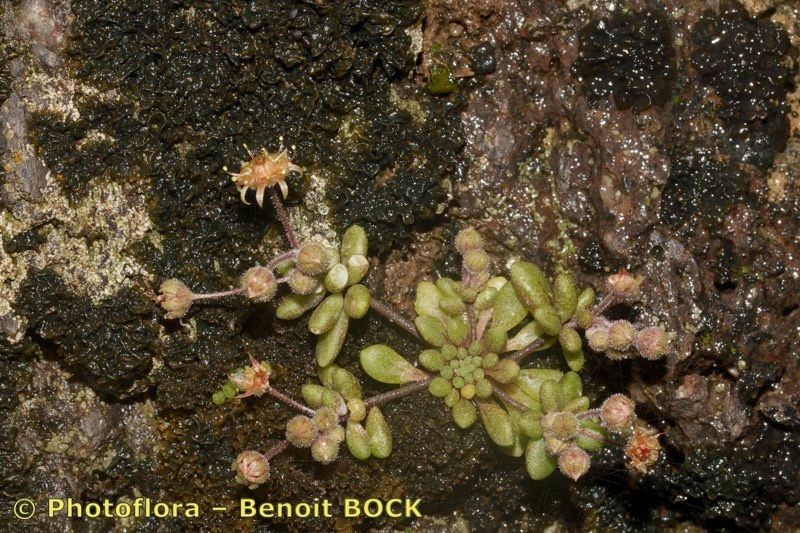
Hello fellow plant enthusiasts! Today, I want to chat about a charming little succulent that has brought a lot of joy to my garden: Monanthes praegeri. If you haven’t met this gem yet, imagine tiny, star-shaped rosettes perched delicately on slender stems, creating a cascade of greenery that’s simply delightful. They have this understated elegance that really adds a special touch to any collection.
Propagating Monanthes praegeri is incredibly rewarding. It’s like watching life spring forth from a tiny piece of what you already love. Seeing those first roots emerge is always an exciting moment! Now, if you’re new to the succulent world, I’d say this little one is moderately easy to propagate. It’s not as foolproof as some of the common Echeverias, but with a little attention, you’ll be successful.
The Best Time to Start
For Monanthes praegeri, the sweet spot for propagation is during its active growing season. This usually means late spring through early to mid-summer. The days are longer, the sun is warmer, and the plant has plenty of energy to put into developing new roots. Starting when the plant is healthy and vigorously growing will give you the best chance of success.
Supplies You’ll Need
Gathering your tools before you begin always makes the process smoother. Here’s what I like to have on hand:
- Sharp, clean pruning shears or a sharp knife: For making clean cuts.
- Well-draining succulent/cacti potting mix: This is crucial! You can buy a pre-made mix or create your own by combining potting soil with perlite or pumice.
- Small pots or seed trays: Something shallow is usually best for succulents.
- Optional: Rooting hormone powder: While not always strictly necessary for Monanthes praegeri, it can give your cuttings an extra boost.
- Optional: Small spray bottle: For a light misting of water.
- Optional: A heat mat: For encouraging faster root development.
Propagation Methods
Monanthes praegeri is quite amenable to a few different propagation techniques. I’ve had the most luck with stem cuttings.
Stem Cuttings
This is my go-to method for Monanthes praegeri. It’s straightforward and yields great results.
- Take a Cutting: Select a healthy stem that looks robust. Using your sharp pruning shears or knife, make a clean cut just below a leaf node (where the leaves attach to the stem). You want a cutting that’s a few inches long, with a few sets of leaves.
- Allow to Callus: This is a really important step for succulents. Lay your cuttings on a dry paper towel or in a well-ventilated spot out of direct sunlight for 2-3 days. You want the cut end to dry out and form a hardened callus. This prevents rot when you plant it.
- Prepare the Potting Mix: Fill your small pots with your well-draining succulent mix. Make sure it’s dry or only very slightly damp to start.
- Plant the Cutting: Gently insert the callused end of the cutting about an inch deep into the potting mix. If you’re using rooting hormone, dip the callused end into it before planting.
- Water Sparingly: Wait a few days after planting before watering. When you do water, do so lightly. You want the soil to be just slightly moist, not soggy. You can use a spray bottle for a gentle misting or water around the base of the cutting.
Water Propagation (Use with Caution!)
While I mainly use soil, some people have success with water. You must be very careful with this method for Monanthes praegeri to avoid rot.
- Take and Callus Cutting: Follow steps 1 and 2 as for stem cuttings.
- Prepare Water Container: Take a small glass or jar and fill it with clean water.
- Place Cutting: Gently place the callused end of the cutting into the water, ensuring no leaves are submerged. This is critical, as submerged leaves will rot quickly.
- Change Water Regularly: Change the water every few days to keep it fresh and prevent bacterial growth.
- Wait for Roots: Once you see small roots forming (they’ll look like tiny white threads), you can then carefully transfer the cutting to your succulent potting mix.
The “Secret Sauce” (Pro Tips)
Here are a few things I’ve learned over the years that can really help your propagation efforts:
- Don’t Overwater, Ever: Seriously, this is the number one killer of succulent cuttings. They store water in their leaves and stems, so they don’t need much moisture to root. Think “dry,” then “barely moist,” then “dry” again. It feels counterintuitive, but it works wonders.
- Bottom Heat is Your Friend: If you’re struggling to get roots to form quickly, consider placing your potted cuttings on a gentle heat mat. Succulents love a bit of warmth to encourage root growth. Just make sure the mat isn’t too hot – you don’t want to cook your little ones!
- Patience is Key: Sometimes, even with ideal conditions, it can take a few weeks, or even a couple of months, for a cutting to establish good roots. Resist the urge to constantly tug on it to “check” for roots. Let it be and trust the process.
Aftercare & Troubleshooting
Once you see those first signs of roots – either by gentle tugging (if planted in soil) or visible roots in water – it’s time to adjust your care slightly.
- Watering: Continue with light watering, allowing the soil to dry out completely between waterings. You can gradually increase the frequency as the plant grows and establishes a more robust root system.
- Light: Gradually introduce your new plants to brighter light. Start with bright, indirect light, and slowly acclimate them to more direct sun if your parent plant enjoys it. Too much direct sun too soon can scorch delicate new growth.
- Troubleshooting:
- Rotting: If your cutting turns mushy, black, or smells foul, it’s likely rot. This is almost always due to overwatering. You might be able to salvage a healthy part of the stem if you catch it early, but often, it’s best to discard and start again, focusing on that dry period.
- Wilting/Drying Out: If your cutting is shriveling and drying up before it roots, it might need a little more humidity or slightly more frequent watering (but still very light!). Ensure it’s not getting too much direct sun.
A Encouraging Closing
Propagating plants is a beautiful journey of patience and observation. Each little cutting you nurture is a testament to nature’s resilience and your own green thumb. Don’t be discouraged if a few don’t make it; it’s all part of the learning process. Savor each step, enjoy watching your Monanthes praegeri multiply, and revel in the satisfaction of growing your own green oasis. Happy propagating!
Resource:
https://identify.plantnet.org/k-world-flora/species/Monanthes%20praegeri%20Bramwell/data