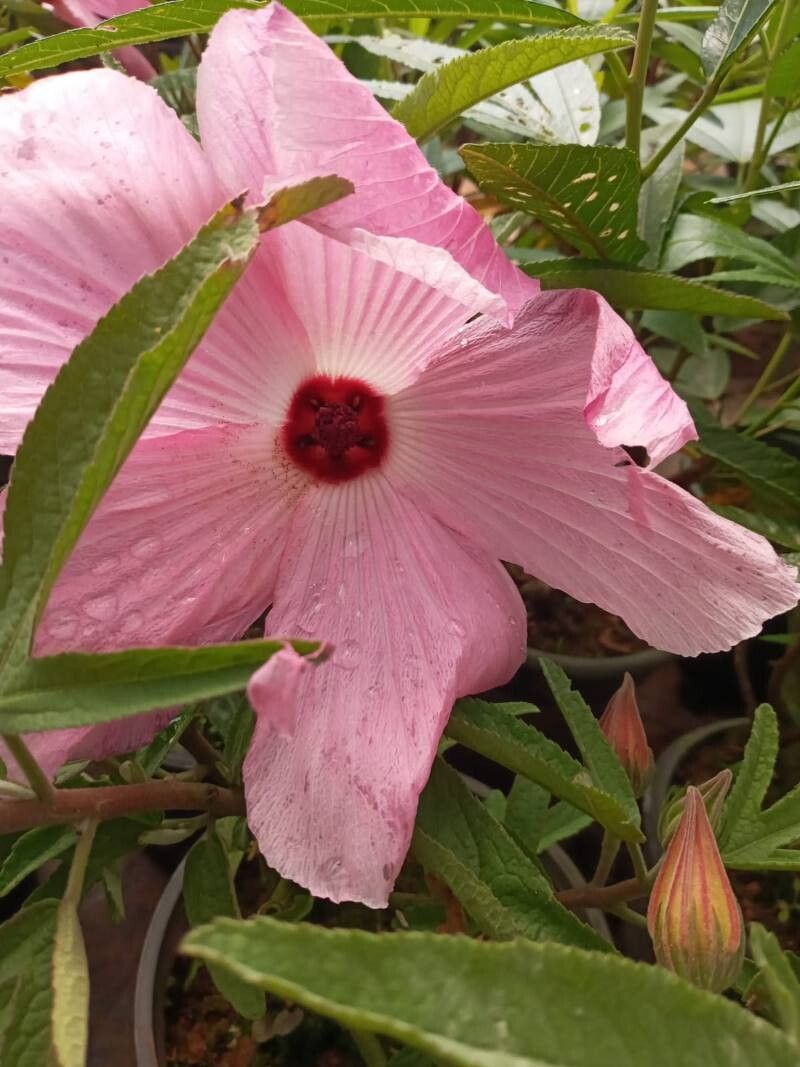
Hello, fellow garden enthusiasts! Today, we’re diving into the delightful world of propagating Hibiscus heterophyllus. If you’re searching for a tropical splash of color and intricate, often deeply lobed leaves, you’ve found your match. These beauties are not just visually stunning; they’re incredibly rewarding to multiply. And the best part? I find Hibiscus heterophyllus to be quite a generous plant when it comes to sharing its own kind. For beginners, this is a wonderful one to try your hand at.
The Best Time to Start
The sweet spot for propagating Hibiscus heterophyllus is undoubtedly late spring through early summer. This is when the plant is in its active growing phase. You’ll be looking for semi-hardwood cuttings. These are stems that are no longer brand new and flexible, but not yet old and woody. They snap cleanly with a slight bend, rather than just creasing. Giving your cuttings this prime growth energy gives them the best head start.
Supplies You’ll Need
Before we get our hands dirty, let’s gather our toolkit:
- Sharp, sterile pruning shears or a clean knife: Essential for making clean cuts.
- Rooting hormone powder or gel: This is your propagation insurance policy, encouraging robust root development.
- A good quality potting mix: I prefer a mix that’s well-draining. A blend of peat moss, perlite, and a touch of compost works beautifully. You can also find specialized seedling or propagation mixes.
- Small pots or seed trays with drainage holes: Clean pots are a must to prevent disease.
- A clear plastic bag or propagation dome: This creates a humid environment, mimicking a greenhouse.
- Optional: Gravel or small pebbles: For water propagation.
- Optional: Bottom heat mat: This can significantly speed up root formation.
Propagation Methods
Let’s get to the fun part! Stem cuttings are my go-to for these hibiscus.
Method 1: Stem Cuttings in Potting Mix
- Select Your Cuttings: Find healthy stems from your mature plant. Look for those semi-hardwood sections about 4-6 inches long.
- Make the Cut: Using your clean shears, make a cut just below a leaf node. This is where roots are most likely to form. Remove any flower buds or developing blooms at this stage – we want the plant to focus its energy on roots!
- Prepare the Cutting: Gently strip off the lower leaves, leaving just two or three at the very top. This reduces moisture loss.
- Apply Rooting Hormone: Dip the cut end of the stem into the rooting hormone, ensuring it’s evenly coated. Tap off any excess.
- Plant Your Cuttings: Make a small hole in your potting mix with a pencil or your finger. Insert the cutting, ensuring the hormone-coated end is buried. Gently firm the soil around the base to hold it in place.
- Water and Cover: Water the pot thoroughly until water drains from the bottom. Then, cover the pot with a clear plastic bag or propagation dome. This will maintain high humidity. If using a bag, you can secure it with a rubber band around the pot.
- Placement: Place your pots in a bright location, but out of direct, harsh sunlight. A warm spot is ideal.
Method 2: Water Propagation (for the impatient!)
- Select and Prepare: Follow steps 1-3 from the potting mix method.
- The Water Bath: Fill a clean jar or glass with room temperature water. You can add a few small pebbles to the bottom to help anchor the cuttings.
- Submerge: Place the cuttings in the water, ensuring that the leaf nodes are submerged, but the leaves themselves are not.
- Change Water Regularly: Change the water every 2-3 days to keep it fresh and prevent bacterial growth.
- Placement: Similar to cuttings in soil, keep them in bright, indirect light.
- Transplanting: Once you see healthy roots that are at least an inch long, you can carefully transplant them into pots with potting mix.
The “Secret Sauce” (Pro Tips)
Here are a few tricks I’ve learned over the years that make a real difference:
- Bottom Heat is Your Friend: If you’re serious about speeding things up and increasing your success rate, invest in a bottom heat mat. Hibiscus roots love warmth, and this little trick mimics that perfectly, encouraging faster root development. Just place your potted cuttings on top of it.
- Don’t Overcrowd: Give your cuttings some breathing room. When planting in pots, don’t cram too many into one. They need air circulation to prevent fungal issues.
- Humidity, But Not Soggy: While humidity is crucial, you don’t want the soil to be waterlogged. If you see condensation building up heavily on your plastic cover, you might want to vent it for a few hours each day to allow for some air exchange and prevent rot.
Aftercare & Troubleshooting
Once you spy new leaf growth or feel a gentle tug when you lightly pull on a cutting, it’s a good sign roots are forming!
- Gradual Acclimation: Gradually remove the plastic cover over a few days to let your new plant adjust to normal humidity levels.
- Continue Watering: Keep the soil consistently moist but not soggy.
- First Feeding: Wait until you see good new growth before offering a diluted liquid fertilizer.
- Common Problems:
- Rotting at the Base: This is usually a sign of too much moisture and poor drainage, or lack of air circulation. Ensure your pots drain well and consider venting your humidity dome more often. Sadly, if a cutting has rotted, it’s best to discard it and try again.
- Yellowing Leaves: This can sometimes happen as the cutting uses up its stored energy. If it’s just the lower, older leaves, it’s often normal. If all leaves yellow and drop, it might be a sign of insufficient light or shock.
A Encouraging Closing
Propagating plants is a dance with nature, and sometimes it takes a few tries to find the rhythm. Be patient with your Hibiscus heterophyllus cuttings. Enjoy the process of nurturing these little beginnings, and before you know it, you’ll have a whole new collection of these tropical treasures to admire and share. Happy gardening!
Resource:
https://identify.plantnet.org/k-world-flora/species/Hibiscus%20heterophyllus%20Vent./data