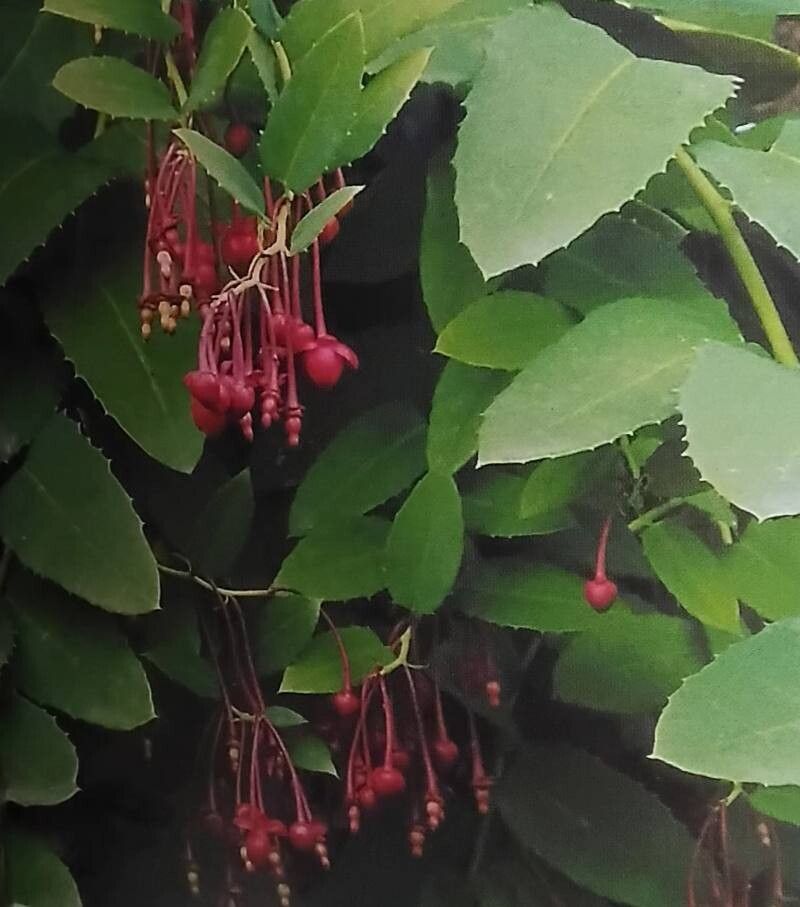
Oh, the Coral Vine! Berberidopsis corallina is such a special plant, isn’t it? With those vibrant, dangling coral-red flowers, it truly brightens up any garden or even a shady corner indoors. Growing this beauty from scratch is incredibly satisfying, a real testament to your gardening prowess. Now, about it being easy or challenging for beginners – I’d say it leans a little more towards the “takes some patience” side. It’s not the quickest to root, but with the right approach, it’s absolutely doable and immensely rewarding.
The Best Time to Start
For the highest success rate with our Coral Vine, I always recommend taking cuttings in late spring to early summer. This is when the plant is actively growing and has plenty of energy to put into forming new roots. Look for healthy, semi-ripe shoots – they’ll snap cleanly when bent, rather than just kinking.
Supplies You’ll Need
Here’s what you’ll want to have on hand to give your cuttings the best chance:
- Sharp Pruning Shears or a Knife: Clean cuts are crucial to prevent disease. Sterilize them before you begin!
- Rooting Hormone: This is a lifesaver for trickier-to-root plants. I like the powder or gel types.
- Small Pots or Trays: Make sure they have drainage holes.
- Well-Draining Potting Mix: A good seed-starting mix or a blend of peat moss, perlite, and a little compost works wonders.
- Plastic Bags or a Propagator: To create a humid environment.
- Optional: Bottom Heat Mat: This can significantly speed up root development.
Propagation Methods
Let’s get our hands dirty! The most reliable way to propagate Berberidopsis corallina is through stem cuttings.
Stem Cuttings:
- Take Your Cuttings: Select healthy, semi-ripe stems from your established plant. Aim for cuttings that are about 4-6 inches long. Remove the lower leaves, leaving just the top set.
- Prepare the Cutting: If your cutting is very long, you can split it in half to make two smaller cuttings. Make a cut just below a leaf node (where a leaf attaches to the stem). This is where the magic happens in terms of root formation.
- Dip in Rooting Hormone: Gently dip the cut end of the stem into your rooting hormone, tapping off any excess.
- Pot Up: Fill your small pots with your well-draining mix. Make a small hole in the center with a pencil or your finger. Insert the cutting into the hole, ensuring the nodes where you removed leaves are buried. Gently firm the soil around the base.
- Water Gently: Water the pots thoroughly but gently until water drains from the bottom.
- Create Humidity: Cover each pot with a clear plastic bag, securing it loosely with a rubber band, or place the pots inside a propagator. This creates a mini-greenhouse effect.
The “Secret Sauce” (Pro Tips)
Here are a few things I’ve learned over the years that really make a difference:
- Don’t Overdo the Hormone: Too much rooting hormone can actually inhibit root growth. A light dusting is all you need.
- Bottom Heat is Your Friend: If you can, place your pots on a gentle heat mat. This constant warmth at the base of the cutting encourages root development much faster. You’ll know it’s working when you see new growth appearing.
- Indoors for Success: While you can try outdoors in sheltered spots, I find starting cuttings indoors, in a bright but indirect light, offers more control and protection from the elements, especially for a plant that can be a bit fussy.
Aftercare & Troubleshooting
Once your cuttings are potted, keep them in a bright spot out of direct sun. Keep the soil consistently moist but not waterlogged. You can gently lift the plastic bag daily to allow for some air circulation and check the moisture.
You’ll know your cutting is rooting when you see new leaves unfurling or feel a slight resistance when you gently tug on the cutting. This can take anywhere from 4-8 weeks, sometimes longer for the Coral Vine.
Now, what if things go wrong? The most common culprit is rot. If your cutting turns mushy and dark, it’s likely rotted. This usually happens from too much moisture and poor air circulation. If you see this, sadly, it’s best to discard it and try again. Cleanliness is key – make sure your pots and tools are sterile!
A Encouraging Closing
Propagating plants is an exercise in patience and observation. Don’t get discouraged if your first few attempts don’t yield dozens of new plants. Each cutting is a learning experience. Celebrate the small victories – the tiny new leaves, the first hint of fuzzy roots. Enjoy the journey, and soon you’ll have your own beautifulCoral Vines to share or simply admire. Happy planting!
Resource:
https://identify.plantnet.org/k-world-flora/species/Berberidopsis%20corallina%20Hook.f./data