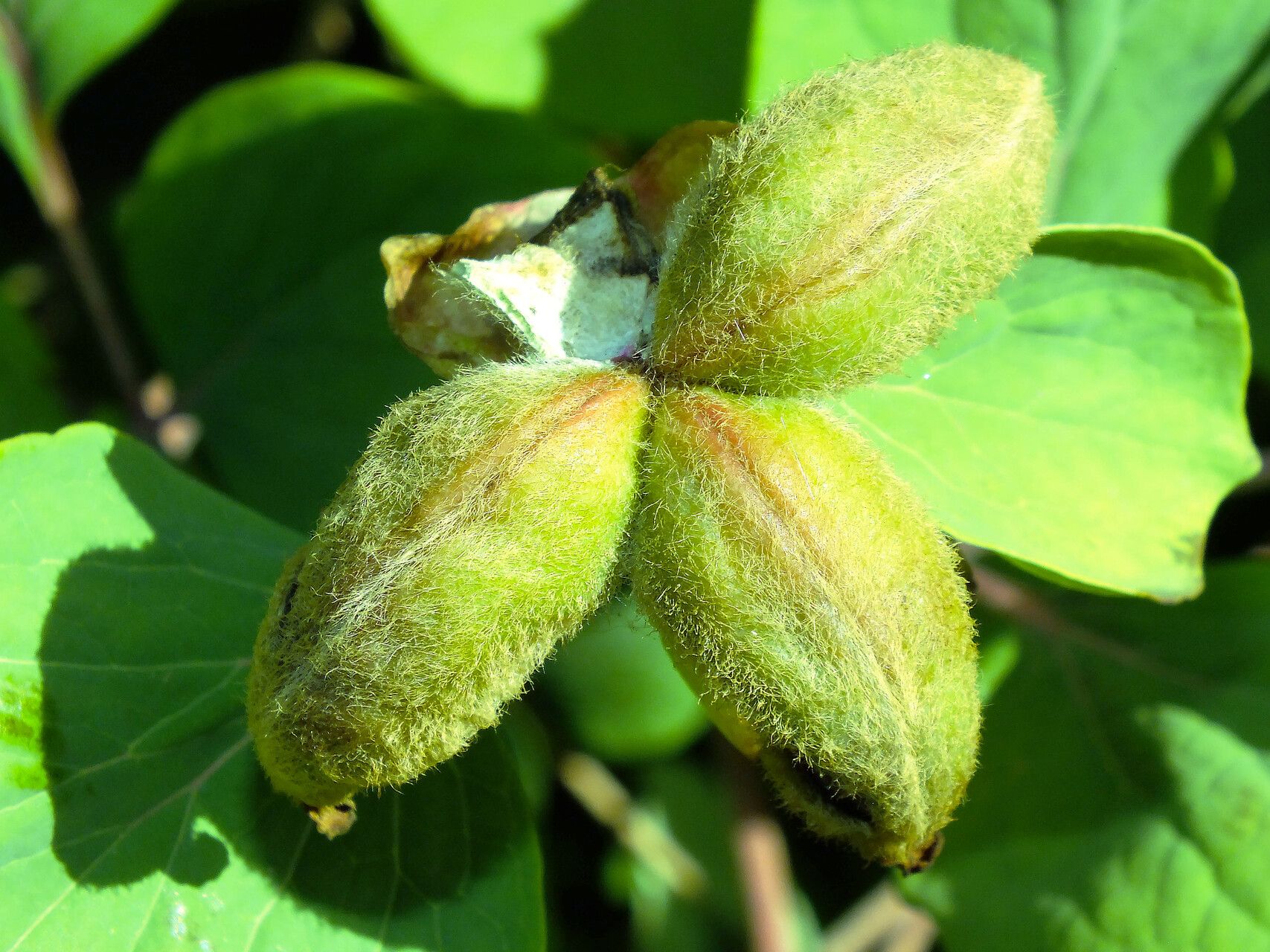
Oh, peonies! They’re just magnificent, aren’t they? Those blowsy blooms, that rich color, and that gorgeous scent – it’s no wonder so many of us fall head over heels for them. And the idea of creating more of these beauties yourself? That’s pure gardening joy. Propagating Paeonia daurica, a lovely species peony often known for its simpler, more delicate flowers, can be a wonderfully rewarding endeavor. While not as straightforward as, say, a geranium cutting, it’s absolutely achievable with a little patience and know-how. Don’t let that intimidate you; we’ll walk through it together.
The Best Time to Start
For Paeonia daurica, the absolute sweet spot for propagation is late summer to early autumn. This is when the plant is starting to wind down its active growth for the year, and it has plenty of stored energy ready for the process. Trying to do it in the full heat of summer or when the ground is frozen just won’t yield the best results. Think of it like giving your new baby plants the best chance to establish themselves before winter sets in.
Supplies You’ll Need
Gathering your tools beforehand makes the whole process much smoother. Here’s what I usually have on hand:
- Sharp, clean pruning shears or a knife: For making clean cuts. Sterilize them with rubbing alcohol to prevent disease.
- Rooting hormone powder or gel: This isn’t strictly essential for all peonies, but it gives cuttings a significant boost. I find it particularly helpful for Paeonia daurica.
- Well-draining potting mix: A good blend would be equal parts peat moss or coco coir, perlite, and coarse sand. You want something airy that won’t hold too much moisture.
- Small pots or seed trays: Clean containers with drainage holes are a must.
- Labels and a permanent marker: To keep track of what’s what!
- A watering can with a fine rose: For gentle watering.
- Plastic bags or a propagator lid: To create a humid environment for cuttings.
- Gloves (optional): If your skin is sensitive.
Propagation Methods
Paeonia daurica is most successfully propagated by division, and sometimes stem cuttings can work, though they are trickier.
Division: The Most Reliable Method
This is how most gardeners will successfully propagate peonies, and it’s a fantastic way to rejuvenate an older plant at the same time.
- Digging Up the Plant: In late summer or early autumn, carefully dig around the root ball of your established Paeonia daurica. You want to get as much of the root system intact as possible. Gently lift the whole plant from the ground.
- Cleaning the Roots: Brush off excess soil so you can clearly see the structure of the plant and its “eyes” – these are the pinkish buds on the roots from which new shoots will emerge.
- Identifying Divisions: Look for natural breaks in the root system where you can separate sections. Each division should have at least two to three healthy root eyes and a good portion of the root system.
- Making the Cuts: Using your sharpened knife or shears, carefully cut apart the root sections. Ensure each piece has those vital eyes. Avoid tearing or damaging the roots as much as possible.
- Treating Cuts (Optional but Recommended): If you’re concerned about rot, you can dip the cut ends in a fungicide or even a bit of diluted neem oil. Let them air dry for a few hours to callus over before replanting.
- Replanting: Plant your divisions immediately at the same depth they were growing previously. Make sure the eyes are facing upwards. If you’re planting a divided section back into its original spot, make sure to enrich the soil with compost. For new pots, use your well-draining potting mix.
Stem Cuttings: A Bit More Advanced
This method is less common for peonies and has a lower success rate, but it’s worth a try if you’re feeling adventurous!
- Taking the Cuttings: In midsummer, when the stems are semi-hardwood, take cuttings that are about 4-6 inches long. Make the cut just below a leaf node (where a leaf attaches to the stem).
- Preparing the Cuttings: Remove all but the top two leaves. This reduces water loss. Dip the cut end into rooting hormone powder or gel.
- Planting the Cuttings: Stick the prepared end into moist, well-draining potting mix. Gently firm the soil around the stem.
- Creating Humidity: Cover the pot with a plastic bag or place it in a propagator. You want to keep the humidity high. Ensure the leaves don’t touch the plastic.
- Placement: Place the cuttings in a bright location out of direct sunlight. Gentle bottom heat (like a warming mat) can significantly improve your chances.
- Patience is Key: You’re looking for early signs of roots forming. This can take several weeks to months. Gently tug on a cutting; if there’s resistance, you’ve likely got roots!
The “Secret Sauce” (Pro Tips)
- Less is More with Water: When you first plant divisions or cuttings, water them well, but resist the urge to drown them. Overwatering is the quickest way to invite rot. Allow the top inch of soil to dry out between waterings.
- Air Circulation is Crucial: Especially for stem cuttings, good air circulation helps prevent fungal issues. If you’re using a propagator, briefly open it daily for a few minutes to exchange the air.
- Don’t Rush the Roots: Paeonia daurica, especially from cuttings, can be slow to establish roots. Don’t be discouraged if you don’t see visible growth for a while. Focus on keeping the soil barely moist and the environment stable.
Aftercare & Troubleshooting
Once your divisions or cuttings have rooted (you’ll know when they resist a gentle tug or show new leafy growth), it’s time for continued good care. Keep them in pots until they’ve had a full growing season to establish a robust root system. Gradually acclimate them to outdoor conditions if they’ve been overwintered indoors.
The most common issue you’ll face is root rot. This appears as a mushy, dark, and often smelly rot on the roots. If you see this, it’s usually a sign of too much moisture and not enough drainage. It’s a tough situation to recover from, so prevention through good watering and soil practices is paramount. You might also notice cuttings failing to root altogether or wilting – this can happen if they dry out too much or if disease sets in.
A Encouraging Closing
Propagating your beautiful Paeonia daurica is a journey. Some attempts might be more successful than others, and that’s perfectly okay. The most important ingredients are patience, a gentle touch, and a willingness to learn. Enjoy the process of nurturing these new plants, and before you know it, you’ll be rewarded with your own homegrown peonies. Happy gardening!
Resource:
https://identify.plantnet.org/k-world-flora/species/Paeonia%20daurica%20Andrews/data