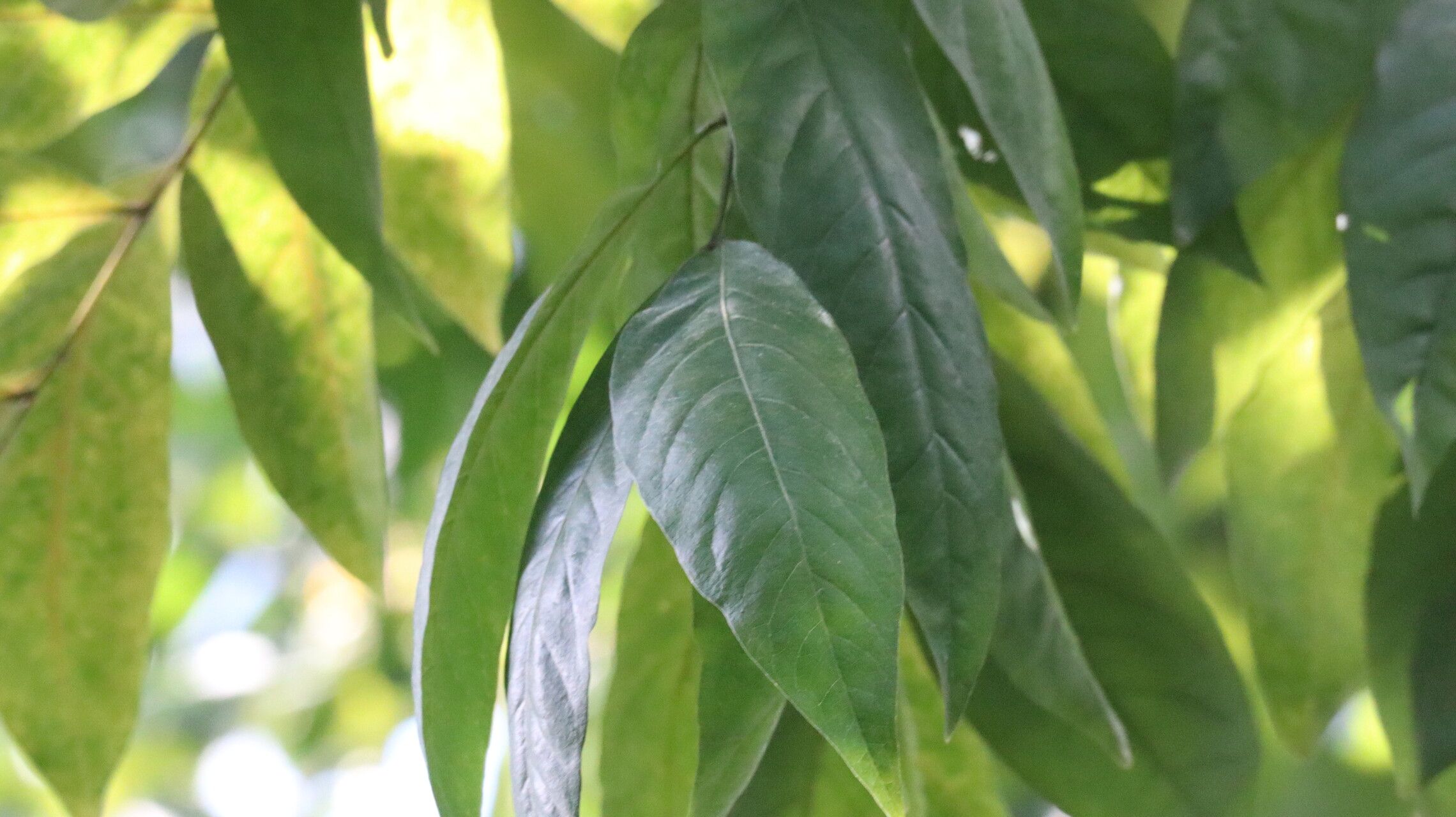
Hey there, fellow plant lovers! It’s so exciting to be sharing this with you today. We’re diving into the wonderful world of Sapindus emarginatus, often known as the soapberry tree. If you’ve ever been charmed by its unique, cleansing fruits or its graceful, feathery foliage, you’re in for a treat. Propagating these beauties is a really satisfying journey, and while it might seem a little intimidating at first, I promise, with a bit of guidance, you’ll be well on your way. For beginners, I’d say it’s moderately challenging, but totally achievable!
The Best Time to Start
For Sapindus emarginatus, the magic really happens in late spring or early summer. Think of it as when the sap is really flowing and the plant is buzzing with new growth. This is when cuttings are most vigorous and have the best chance of taking hold. Waiting until your plant has fully emerged from its dormancy and is actively producing new leaves is key.
Supplies You’ll Need
Gathering your supplies beforehand makes the whole process smoother. Here’s what I recommend:
- Sharp pruning shears or a clean knife: For taking your cuttings. Sterilize them before and between uses!
- A well-draining potting mix: I usually go for a 50/50 blend of seedling starter mix and perlite. This aeration is crucial.
- Small pots or trays: Clean ones are a must. Something with drainage holes is non-negotiable.
- Rooting hormone powder (optional but recommended): This gives your cuttings a nice little boost. Look for one with IBA for best results.
- A clear plastic bag or a propagator lid: To create a humid environment for your cuttings.
- Watering can with a fine rose: For gentle watering.
- A warm, bright location: Indirect sunlight is best.
Propagation Methods
Let’s get our hands dirty! I find stem cuttings to be the most reliable method for Sapindus emarginatus. Here’s how I do it:
- Select Your Cuttings: Look for healthy, semi-hardwood stems on your mature Sapindus emarginatus plant. These are stems that are neither brand new and floppy nor old and woody. They should be about pencil-thick and have at least a couple of leaf nodes. Aim for cuttings that are 4-6 inches long.
- Make the Cut: Using your sterilized shears or knife, make a clean cut just below a leaf node. This is where roots are most likely to form.
- Prepare the Cutting: Gently remove the lower leaves, leaving just a few at the top. This prevents them from rotting in the soil and also reduces water loss. If the remaining leaves are quite large, I sometimes give them a slight trim to further minimize transpiration.
- Apply Rooting Hormone (if using): Dip the cut end of the stem into the rooting hormone powder, tapping off any excess.
- Plant Your Cuttings: Make a small hole in your prepared potting mix with a pencil or your finger. Gently insert the cutting into the hole, ensuring the leaf nodes are buried. Firm the soil gently around the base.
- Create Humidity: Water the soil thoroughly until it’s evenly moist but not waterlogged. Then, cover the pot with a clear plastic bag or propagator lid. This traps humidity, which is vital for cuttings. Secure it with a rubber band if needed.
- Placement: Place your pots in a warm location with bright, indirect light. Avoid direct sun, as it can scorch the young cuttings.
The “Secret Sauce” (Pro Tips)
Here are a few little tricks I’ve picked up over the years that really seem to make a difference:
- Bottom Heat is Your Friend: If you can, use a heat mat designed for seedlings. Even a slight warmth at the base of the pot can significantly speed up root formation. It mimics nature’s warmth and really encourages those roots to stretch out.
- Don’t Over-Water: This is perhaps the biggest mistake people make. The soil should be consistently moist, like a wrung-out sponge, but never soggy. Overwatering is a fast track to rot. I often lift the pot to feel its weight; if it feels light, it’s time to water.
- Air Circulation Matters: While humidity is key, stagnant air can promote fungal diseases. If you’re using a plastic bag, open it up for an hour or so every couple of days to allow for some air exchange. It’s a delicate balance, but worth it!
Aftercare & Troubleshooting
Once you start seeing new growth emerge from your cuttings – that’s a good sign! It means roots are developing. Continue to keep the soil moist and the humidity high. Gradually acclimate your new plants to less humid conditions by slowly opening the propagator lid or plastic bag over a week or two. Once they’re pushing out more leaves and feel secure when gently tugged, they’re ready to be moved into individual, slightly larger pots.
Now, what if things don’t go as planned? The most common issue with cuttings is rot. This usually happens from too much moisture and poor air circulation. If you see your cutting turning black and mushy at the base, it’s likely a goner. Don’t despair! Just discard it and try again. Another sign of failure is a cutting that simply refuses to show any signs of life after several weeks. It might not have had enough energy stored, or the conditions weren’t quite right.
A Encouraging Closing
Propagating Sapindus emarginatus is a journey, and like all journeys, it has its ups and downs. Be patient, my friends. Sometimes it takes a little longer than you expect. Celebrate the small victories, learn from any setbacks, and most importantly, enjoy the process of coaxing new life from your beloved plants. Happy propagating!
Resource:
https://identify.plantnet.org/k-world-flora/species/Sapindus%20emarginatus%20Vahl/data