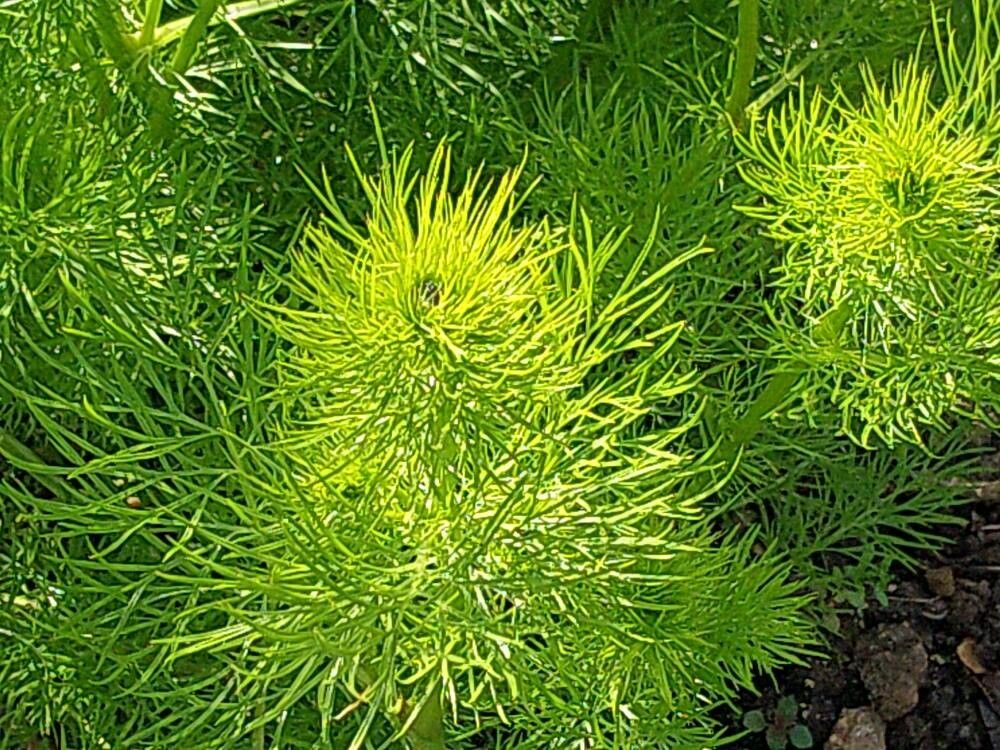
Hello there, fellow garden enthusiasts! You know, I’ve always had a soft spot for Salvia circinnata. There’s something so wonderfully architectural about its whorls of foliage, and then come those delightful pops of color – often a lovely lavender or deep blue – that just sing in the summer garden. Growing more of these beauties yourself is incredibly satisfying, and honestly, it’s not as daunting as you might think. Even if you’re just dipping your toes into the world of propagation, Salvia circinnata is a friendly plant to start with.
The Best Time to Start
For the most success, I find late spring or early summer to be your golden window. This is when the plant is actively growing and has plenty of energy to put into developing new roots. You’re looking for young, non-flowering shoots to take your cuttings. Avoid anything that looks leggy or is already producing a bloom stalk.
Supplies You’ll Need
Here’s a little collection of things that will make your propagation journey smoother:
- Sharp pruning shears or a clean knife: For making neat cuts.
- Rooting hormone (optional but helpful): A powder or gel meant to encourage root development.
- Small pots or seed trays: Clean ones are key!
- Well-draining potting mix: A good blend of peat, perlite, and vermiculite works wonders. You can also use a seedling-starting mix.
- Spray bottle: For misting your cuttings.
- Plastic bags or a propagation dome: To create a humid environment.
- A sunny windowsill or a warm spot: Out of direct, harsh sun.
- Bottom heat (optional): A seedling heat mat can really speed things up.
Propagation Methods
Let’s get our hands dirty! The easiest way to multiply your Salvia circinnata is through stem cuttings.
- Take Your Cuttings: Gently select a healthy, non-flowering stem from your parent plant. Using your clean shears or knife, cut a piece about 4-6 inches long. Make your cut just below a leaf node (where a leaf attaches to the stem).
- Prepare the Cuttings: Carefully remove the lower leaves from your cutting, leaving just the top few leaves. This prevents them from rotting in the soil. If the leaves are very large, you can even cut them in half horizontally to reduce water loss.
- Apply Rooting Hormone (If Using): Dip the cut end of the stem into your rooting hormone powder or gel. Tap off any excess.
- Potting Up: Fill your clean pots or trays with your prepared potting mix, gently firming it down.
- Plant the Cuttings: Make a small hole in the soil with a pencil or your finger, and insert the cut end of the salvia cutting. Gently firm the soil around the base to ensure good contact.
- Create a Humid Environment: Water the soil thoroughly until it drains from the bottom. Then, cover the pots with a plastic bag or a propagation dome. This traps moisture and keeps the humidity high, which is crucial for cuttings.
- Placement: Place your pots on a bright windowsill, but out of direct, hot sunlight.
The “Secret Sauce” (Pro Tips)
Here are a couple of little tricks I’ve picked up over the years that can really boost your success:
- Don’t let the leaves touch the water directly in the pot. When you water, try to water the soil, not the leaves. If you’re doing water propagation (where you root cuttings in water), make sure only the stem is submerged, not any leaves. Rotting leaves are a quick way to lose a cutting.
- Bottom heat is your friend! If you can, using a seedling heat mat under your pots makes a world of difference. It keeps the soil consistently warm, which dramatically speeds up root development. Think of it as giving your little cuttings a cozy warm bed to grow in.
Aftercare & Troubleshooting
Once your cuttings are potted, the waiting game begins! Keep the soil consistently moist but not soggy. You should see signs of new growth, like tiny leaves unfurling, within a few weeks.
The tell-tale sign that your cuttings have rooted is when you feel a gentle resistance if you try to lightly pull on them. You can also look for new leafy growth. When they’re well-rooted and growing actively, you can remove the plastic cover gradually, letting them acclimate to your home’s humidity over a few days.
The most common problem you’ll encounter is rot. If you see stems turning black and mushy, it’s usually a sign of too much moisture and not enough air circulation. Unfortunately, when rot sets in, it’s hard to save them. Keep an eye on your humidity levels and ensure your soil drains well. Overwatering is the main culprit.
A Encouraging Closing
Propagating plants is a journey, and with Salvia circinnata, it’s a truly enjoyable one. Be patient, observe your cuttings closely, and don’t be discouraged if not every single one makes it. Each attempt is a learning opportunity. Soon enough, you’ll be surrounded by more of these lovely salvias to share with friends or to plant throughout your own garden. Happy growing!
Resource:
https://identify.plantnet.org/k-world-flora/species/Salvia%20circinnata%20Cav./data