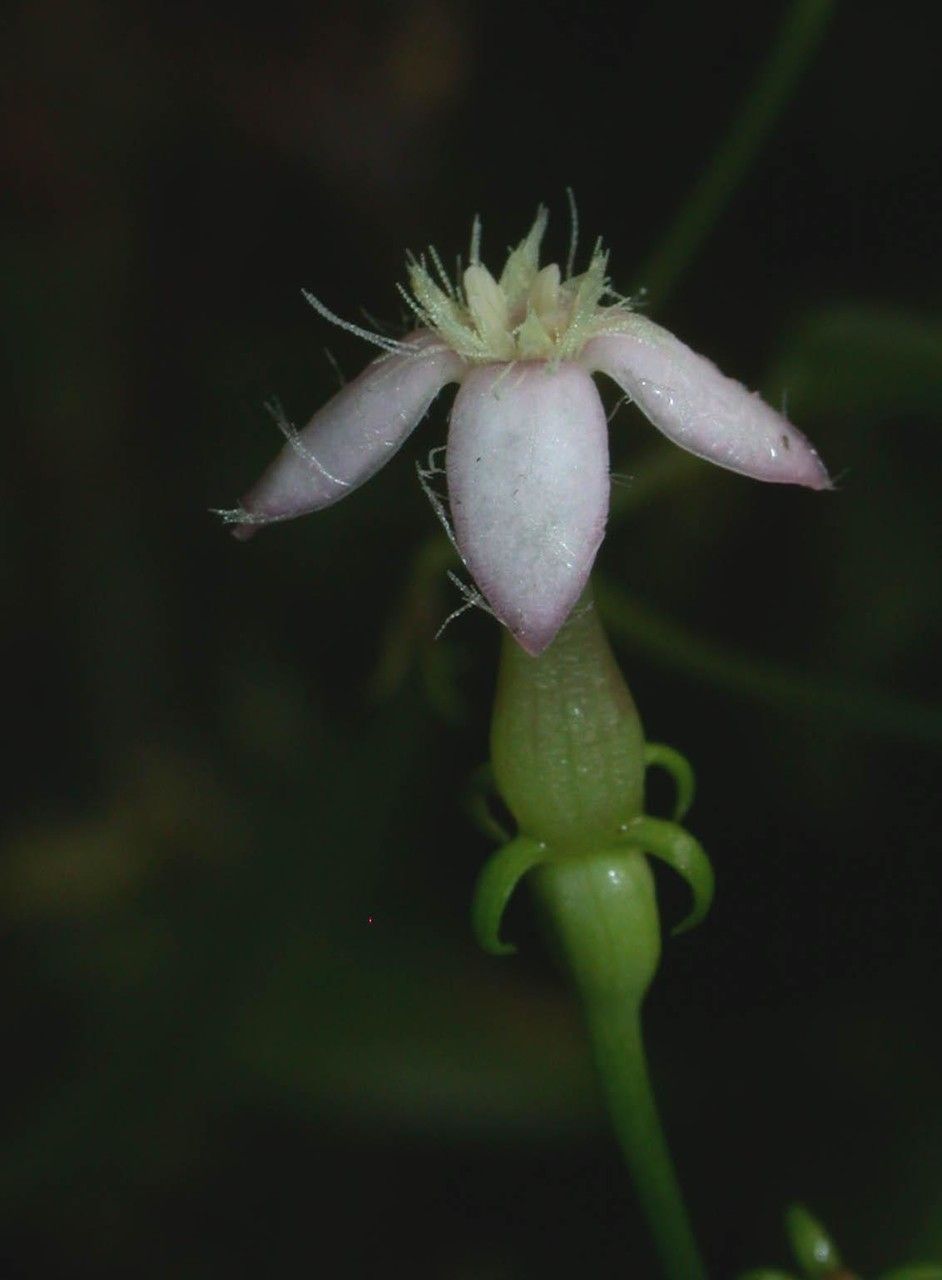
Oh, hello there, fellow plant enthusiast! I’m so excited to chat with you today about a truly special vine: Manettia longipedicellata, often called the Firecracker Vine. If you’re looking for a splash of vibrant color in your garden or on your patio, this is the plant for you. Its tubular, scarlet-red and yellow flowers are absolutely captivating, reminding me of tiny fireworks. And the best part? Growing more of these beauties from cuttings is a wonderfully rewarding experience. While it requires a little patience, I wouldn’t call it exceptionally difficult, making it a lovely project for those ready to step up their propagation game.
The Best Time to Start
My favorite time to take cuttings of the Firecracker Vine is in the late spring or early summer. This is when the plant is actively growing, and the new shoots are healthy and full of vigor. They’ll have the best energy to put into developing roots. You can certainly try it at other times, but you’ll likely see the most success when the weather is warm and sunny.
Supplies You’ll Need
Before we dig in, let’s gather our tools and materials. Having everything at the ready makes the whole process smoother.
- Sharp Pruning Shears or a Knife: Cleanliness is key here!
- Rooting Hormone (Optional but Recommended): This gives those cuttings a little boost. Look for one specifically for woody or herbaceous cuttings.
- A Well-Draining Potting Mix: I like a blend of equal parts peat moss or coco coir, perlite, and a little potting soil. This ensures good aeration.
- Small Pots or a Propagator Tray: Clean pots are a must.
- Water: To moisten your soil and for potential water propagation.
- Plastic Bag or Dome: To create a humid environment for your cuttings.
Propagation Methods
Let’s get our hands dirty! My preferred method for Manettia longipedicellata is stem cuttings. They’re reliable and usually give me a great strike rate.
Stem Cuttings:
- First, select healthy, non-flowering stems from a mature plant. Look for stems that are about the thickness of a pencil. Avoid old, woody stems or brand-new, floppy growth.
- Using your clean shears, take cuttings that are about 4-6 inches long. Make your cut just below a leaf node (where a leaf attaches to the stem).
- Gently remove the lower leaves from the cutting, leaving only the top two or three leaves. This reduces water loss.
- If you’re using rooting hormone, dip the cut end into the powder. Tap off any excess.
- Moisten your potting mix in your small pots or propagator tray. It should be damp, not soggy.
- Make a small hole in the soil with your finger or a pencil. This prevents the rooting hormone from rubbing off.
- Insert the cutting into the hole, ensuring the leaf nodes that you removed leaves from are below the soil surface. Gently firm the soil around the cutting.
- Water the pot lightly to settle the soil.
- Now, create a humid environment. You can either place a clear plastic bag loosely over the pot (making sure it doesn’t touch the leaves) or use a propagator lid. Place the pot in a bright spot with indirect light.
The “Secret Sauce” (Pro Tips)
Here are a couple of little tricks I’ve picked up over the years that often make all the difference:
- Bottom Heat is Your Friend: If you have a seedling heat mat, place your pots on it. This gentle warmth encourages root development from below, dramatically improving your success rate, especially in cooler conditions.
- Don’t Overcrowd: Give your cuttings a little space in the pot. If they’re too close, airflow is reduced, which can lead to fungal issues. Plus, it makes it easier to check on them individually.
- Watch for “Calluses”: Before roots even form, you might see a slight swelling or whitish patch at the cut end of the stem. This is the plant beginning to form callus tissue, a good sign that it’s preparing to root.
Aftercare & Troubleshooting
Once your cuttings have rooted – usually after 4-6 weeks, though it can take longer – you’ll start to see signs of new growth. This is a wonderful moment!
- Check for Roots: Gently tug on the cutting. If you feel resistance, it’s likely rooting. You can also look for roots poking out of the drainage holes.
- Acclimatize Slowly: If you were using a plastic bag or dome, gradually start to lift it off for longer periods to help the new plant adjust to normal humidity.
- First Watering: Water your new baby plants thoroughly when the top inch of soil feels dry.
- Moving Up: Once they’re established, you can transplant them into slightly larger pots.
Now, what if things don’t go as planned? The most common issue is rot. If your cuttings look mushy or dark and slimy at the base, it’s usually a sign of too much moisture and not enough air circulation. This is why our well-draining soil and humid but not soaked conditions are so important. If you see rot, it’s best to discard the affected cutting to prevent it from spreading. Don’t be discouraged if a few don’t make it. It’s all part of the learning process!
And there you have it! Propagating Manettia longipedicellata is a deeply satisfying way to expand your collection of these stunning plants. Be patient with your cuttings, enjoy watching for those first tiny roots, and soon you’ll have more Firecracker Vines to brighten up your world. Happy gardening!
Resource:
https://identify.plantnet.org/k-world-flora/species/Manettia%20longipedicellata%20C.M.Taylor/data