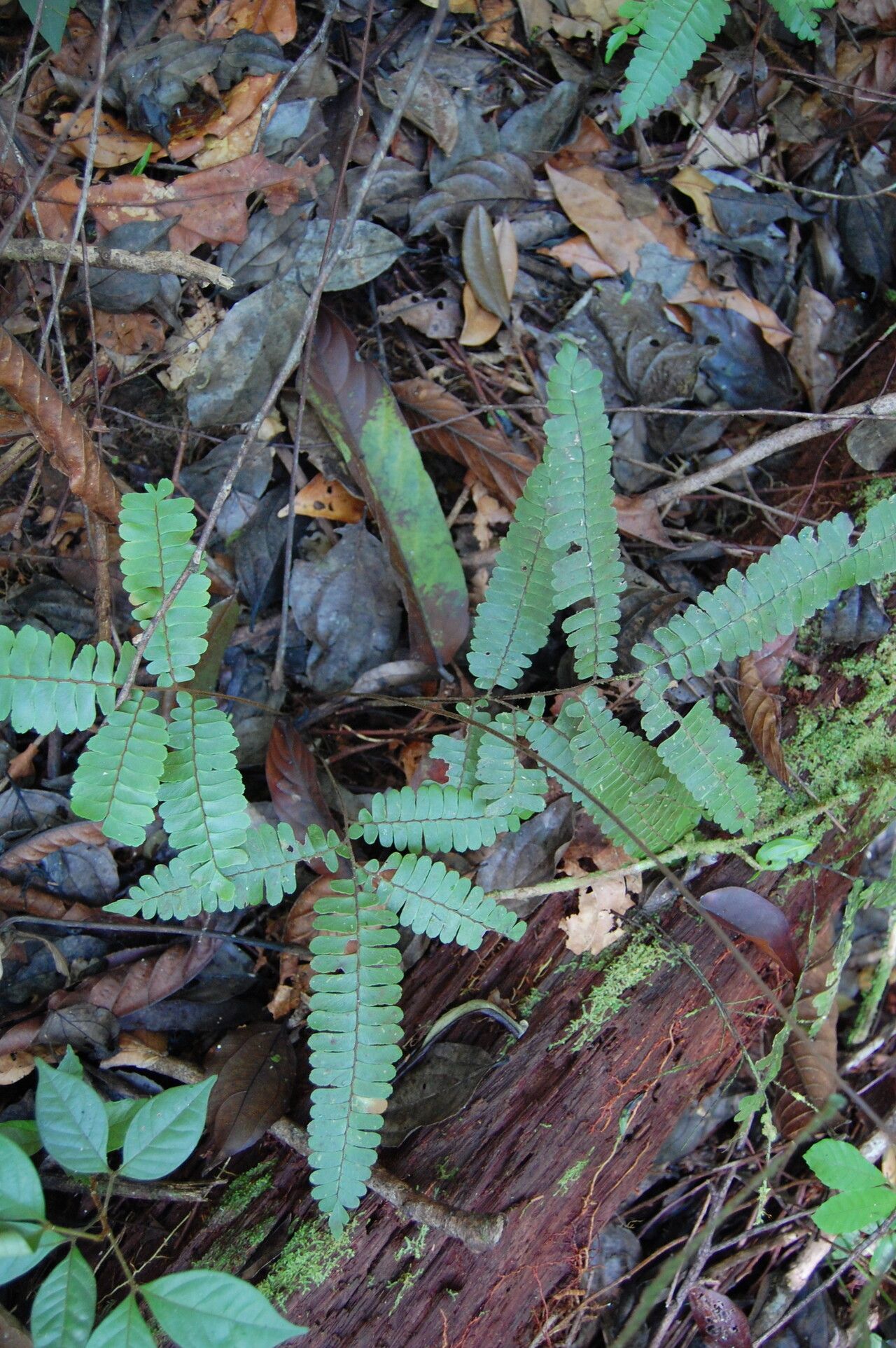
Oh, hello there! Come on in and pull up a chair. Today, we’re going to chat about something I absolutely adore: propagating Adiantum paraense, or the Brazilian maidenhair fern. If you’ve ever been captivated by its delicate, lacy fronds, you’re not alone. It’s truly a showstopper in the right setting. And the joy of coaxing a new plant to life from an existing one? Well, that’s a special kind of magic, isn’t it?
Now, as for Adiantum paraense specifically, I’d say it’s a moderately easy plant to propagate. It’s not as hands-off as some succulents, but it’s certainly not an insurmountable challenge, even for those of you who are newer to the plant parenting scene. With a little attention to detail, you’ll be rewarded with more of these beauties to grace your home.
The Best Time to Start
For most ferns, including our lovely Adiantum paraense, spring is your golden ticket. Think about it: everything is waking up, the days are getting longer, and new growth is bursting forth. This means the plant has the energy reserves it needs to put into those new cuttings or divisions. When the plant is actively growing, it’s much more receptive to starting a new life.
Supplies You’ll Need
Here’s what I usually gather before I get my hands dirty:
- Sharp pruning shears or a clean knife: For making clean cuts.
- A good quality potting mix: I like a blend that’s well-draining but also retains some moisture. A mix with peat moss, coco coir, and perlite is usually a winner. You can even add a bit of orchid bark for extra aeration.
- Small pots or trays: Whatever suits the size of your cuttings.
- Plastic bags or a propagator lid: To create a humid environment.
- Watering can with a fine rose: For gentle watering.
- (Optional) Rooting hormone: Sometimes helpful for encouraging faster root development.
Propagation Methods
There are a couple of ways we can go about this, but my go-to for Adiantum paraense is division. It’s straightforward and usually has a great success rate.
Method: Division
This is the most reliable way to propagate Adiantum paraense. It’s essentially splitting a mature plant into smaller pieces, each with its own roots and crown.
- Gently remove the plant from its pot. Turn it on its side and carefully ease it out. Don’t be afraid to give the pot a gentle squeeze if it seems stuck.
- Inspect the root ball. You’re looking for natural divisions. You might be able to gently tease apart sections with your fingers.
- If it’s a bit stubborn, use your clean knife or shears. Make a clean cut through the root ball, ensuring each new section has a good amount of roots and at least one or two healthy stems or fronds.
- Pot up your new divisions. Use your prepared potting mix in clean pots. Make sure the crown of the plant (where the fronds emerge from the roots) is at the soil line.
- Water thoroughly, but gently. You want the soil to be consistently moist, not waterlogged.
The “Secret Sauce” (Pro Tips)
Here are a few little tricks I’ve picked up over the years that can make a big difference:
- Humidity is king (and queen!): Ferns love humidity, so your divisions will too. Keep them in a bright spot, but out of direct sun, and tent them with a plastic bag or use a propagator lid. Pop a few holes in the bag for a little air circulation to prevent mildew. My secret? I sometimes place the pot on a pebble tray filled with water – just make sure the bottom of the pot isn’t sitting in the water.
- Don’t overwater early on: While they like moisture, overly soggy soil in the initial rooting phase can lead to rot. It’s a balancing act! Check the soil surface; if it feels dry to the touch, it’s time for a gentle watering.
- Think about bottom heat: If you’re propagating in a cooler room, a heat mat placed under the pots can really speed things up. It mimics the warmth of spring and encourages root growth.
Aftercare & Troubleshooting
Once your divisions are happily potted, keep them in that humid environment. You’ll know they’re starting to establish when you see new frond growth emerging. This can take a few weeks to a couple of months.
The main thing to watch out for is root rot. If you see stems turning mushy or the soil staying saturated for too long, you might be overwatering. If you catch it early, you can try repotting with fresh, drier mix. Sometimes, sadly, a cutting or division just doesn’t take. Don’t beat yourself up! It happens to the best of us. Take note of what might have gone wrong – too wet, too dry, too cold – and try again.
A Encouraging Closing
Propagating Adiantum paraense is a wonderfully rewarding endeavor. It might require a touch more patience than some other plants, but seeing those delicate new fronds unfurl from a piece of your existing plant is a truly special feeling. So, get your hands a little dirty, keep them happy with consistent moisture and humidity, and enjoy the slow, beautiful process of growth. Happy propagating!
Resource:
https://identify.plantnet.org/k-world-flora/species/Adiantum%20paraense%20Hieron./data