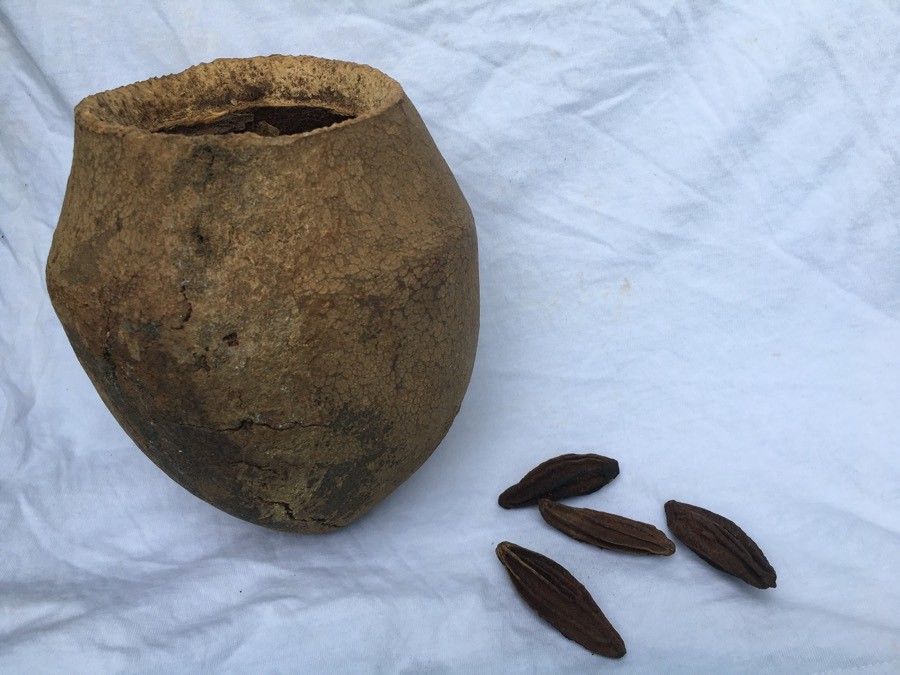
Oh, hello there! Pull up a chair and let’s chat about something truly special: Lecythis ampla, also known as the Monkey Pot tree. If you haven’t encountered one before, imagine a tree with these incredible, woody, pot-like fruits that eventually split open, releasing their seeds. It’s a real showstopper in the garden and, honestly, a joy to have around. Propgating it feels like unlocking a little bit of that magic, a way to share its wonder. Now, for those of you just dipping your toes into the plant propagation pond, Lecythis ampla might be a bit of a challenge. It’s not the easiest plant to get started from scratch, but don’t let that deter you! With a little patience and the right approach, it’s absolutely achievable.
The Best Time to Start
When it comes to getting your Lecythis ampla cuttings to take root, spring and early summer are your golden months. This is when the plant is actively growing, brimming with youthful energy. You’ll want to take cuttings from healthy, vigorous new growth that’s just starting to mature – we call this “semi-hardwood.” It should be bendy but not so soft that it wilts instantly.
Supplies You’ll Need
Gathering your supplies before you begin makes the entire process much smoother. Here’s what I always have on hand:
- Sharp Pruning Shears or a Knife: Clean, sharp tools are crucial to prevent crushing the stem and introducing disease.
- Rooting Hormone: While not strictly essential for every plant, for Lecythis ampla, it’s a good idea. Look for a powder or gel formulation.
- Small Pots or Seed Trays: Clean pots are a must. About 4-6 inch pots usually work well.
- Propagating Mix: A very well-draining mix is key. I like a blend of equal parts perlite and peat moss, or some people swear by coco coir and perlite. The goal is to keep it airy and prevent sogginess.
- Plastic Bags or a Propagator: This creates a mini-greenhouse effect to keep humidity high.
- Watering Can with a Fine Rose: Gentle watering is important.
- Labels and a Pen: Don’t forget to label your cuttings!
Propagation Methods
While Lecythis ampla can be tricky, the most reliable method for home gardeners is through stem cuttings.
- Select Your Cuttings: On a healthy branch, find a section of growth that’s about pencil-thick and around 4-6 inches long. It should have at least a few sets of leaves.
- Make the Cut: Using your clean, sharp shears, make a clean cut just below a leaf node. This is where the plant has a higher concentration of rooting hormones. Remove any lower leaves, leaving just a couple at the very top.
- Prepare the Cutting: If your cutting is very long or has a lot of leaves at the top, you can lightly trim the leaves in half. This reduces water loss through transpiration.
- Apply Rooting Hormone: Dip the cut end of the stem into your rooting hormone, tapping off any excess.
- Plant Your Cutting: Fill your clean pots with your well-draining propagating mix. Make a small hole in the center with your finger or a pencil. Insert the cutting into the hole, ensuring the leaf nodes are below the soil line. Gently firm the soil around the stem.
- Water Gently: Water the soil thoroughly but gently. You want it moist, not waterlogged.
- Create the Greenhouse Effect: Place the potted cutting inside a plastic bag. You can prop the bag up with a few sticks so it doesn’t touch the leaves. Alternatively, use a clear plastic propagator lid.
- Find a Warm Spot: Place your propagation station in a bright, indirect light location. Avoid direct sun, which can overheat the cutting and the plastic.
The “Secret Sauce” (Pro Tips)
Here are a few things I’ve learned over the years that make a real difference:
- Bottom Heat is Your Friend: This is a game-changer for many tropical plants. Placing your pots on a heat mat designed for seedlings can significantly speed up root development by providing consistent warmth from below. You’ll often see roots form much faster.
- Don’t Be Afraid to “Wiggle”: After a few weeks, if you’re curious, you can very gently tug on a cutting. If you feel resistance, it’s a good sign that roots are forming! Resist the urge to constantly pull them out to check.
- Air Circulation Matters: While we want high humidity, it’s also crucial to prevent stagnant, damp air that can lead to fungal issues. Open the plastic bag or propagator lid for a few minutes each day, or if you’re using a closed propagator, ensure it has some ventilation.
Aftercare & Troubleshooting
Once you see new leaf growth, that’s usually a strong indicator that your Lecythis ampla is starting to root. Congratulations! At this point, you can gradually acclimate it to more normal conditions. Slowly open the plastic bag or propagator over a week or two, allowing the humidity to decrease. Water when the top inch of soil feels dry.
The most common culprit for failure is rot. This happens when the soil stays too wet, suffocating the roots and inviting fungal diseases. If your cutting turns black and mushy, or if you see mold on the soil, it’s a sign that conditions have been too damp. Unfortunately, at that point, it’s usually unsalvageable. Make sure your soil mix is airy and your watering is controlled.
A Encouraging Closing
Propagating Lecythis ampla is an exercise in patience, but oh, the reward when you succeed! Don’t be discouraged if your first attempt isn’t a roaring success. Every gardener talks to their plants, and sometimes, they just need a little extra time and encouragement. Enjoy the process, marvel at the persistence of life, and before you know it, you’ll have your very own Monkey Pot tree to admire. Happy propagating!
Resource:
https://identify.plantnet.org/k-world-flora/species/Lecythis%20ampla%20Miers/data