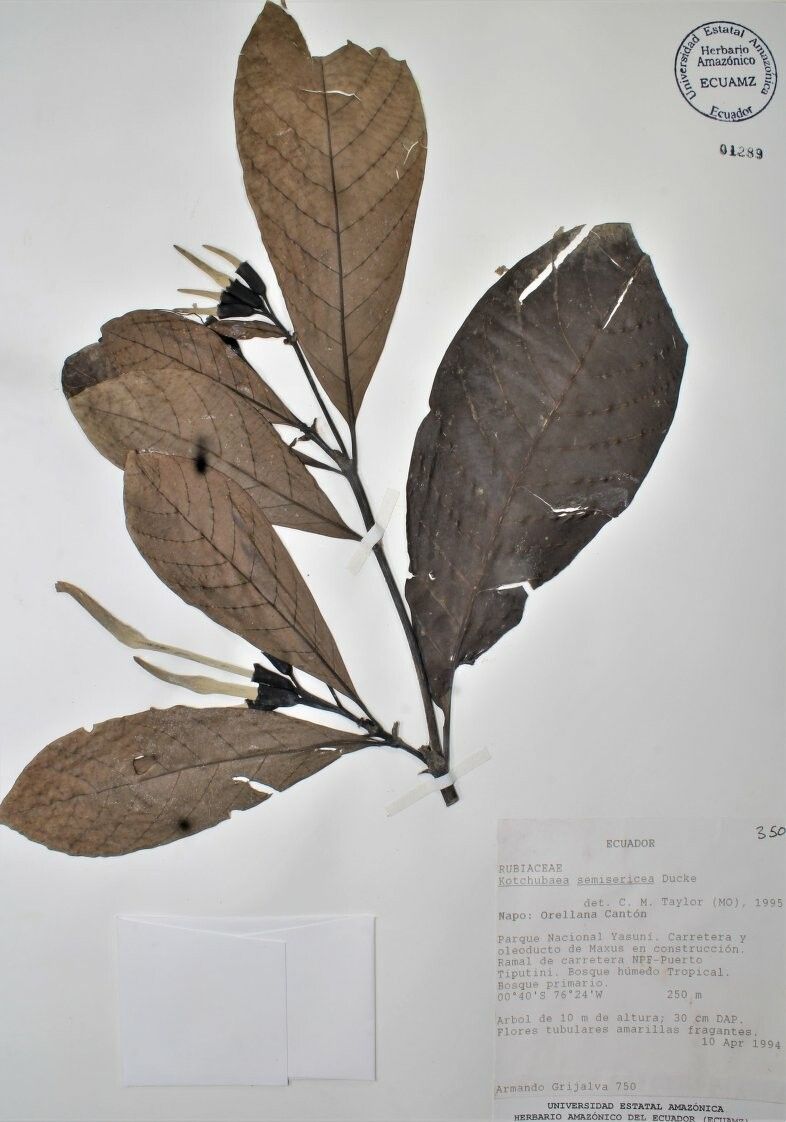
Oh, the delights of Kalanchoe! If you haven’t encountered this charming plant yet, get ready for a treat. I’ve been growing them for two decades, and they never cease to amaze me with their cheerful blooms and surprisingly varied forms. Propagating them is where the real magic happens, turning one plant into many little treasures to share. For those just starting out in the world of plant propagation, I’d say Kalanchoe falls into the “pleasantly doable” category. With a little care and a willingness to experiment, you’ll be a Kalanchoe-nurturing pro in no time.
The Best Time to Start
When I’m looking to grow new Kalanchoe babies, I always try to start in the late spring or early summer. The plant is really kicking into gear with its growth at this time. You’ll find that cuttings taken when the plant is actively growing tend to root the fastest and with the most vigor. Avoid trying to propagate from stressed or dormant plants.
Supplies You’ll Need
Here’s a quick rundown of what you’ll want to have on hand:
- Sharp, clean pruning shears or a sharp knife: To make nice, clean cuts.
- Well-draining potting mix: A cactus or succulent mix is perfect. You can also create your own by mixing equal parts potting soil, perlite, and coarse sand.
- Small pots or seed trays: Anything that will hold your cuttings and the soil. Make sure they have drainage holes!
- Rooting hormone (optional but helpful): This can speed up the process and improve success rates.
- Watering can or spray bottle: For gentle watering.
- (Optional) A heat mat: For bottom warmth, which is a real game-changer for some stubborn propagators.
Propagation Methods
Kalanchoe is wonderfully versatile, and I’ve had great success with a couple of methods.
Stem Cuttings
This is my go-to method for Kalanchoe. It’s simple and effective!
- Select a healthy stem: Look for a mature, healthy stem on your Kalanchoe plant. Aim for a piece that’s about 3-4 inches long.
- Make the cut: Using your sharp, clean shears or knife, make a clean cut just below a leaf node (where a leaf attaches to the stem).
- Remove lower leaves: Gently pull off the bottom leaves from your cutting. You want to expose a bit of the stem to encourage rooting.
- Let it callus: This is a critical step! Leave the cutting to air dry in a cool, dry spot for a couple of days, or even up to a week. A callused over wound will prevent rot when you plant it. You’ll see a dry, whitish scab form at the cut end.
- Apply rooting hormone (optional): If you’re using rooting hormone, dip the callused end of the cutting into the powder.
- Plant your cutting: Fill your small pot with the well-draining potting mix. Make a small hole in the center with your finger or a pencil. Gently insert the callused end of your cutting into the hole, making sure it’s firm enough to stand on its own or with a little support.
- Water lightly: Give the soil a light watering to settle it around the cutting. Don’t drench it.
Leaf Cuttings
Some Kalanchoe varieties, especially the common “Mother of Thousands,” reproduce by simply dropping plantlets from their leaves. You can also propagate them from individual leaves.
- Choose a healthy leaf: Select a mature, healthy leaf.
- Make the cut or twist: You can either cut the leaf off at the base or gently twist it off the stem, ensuring you get a clean break where it attaches.
- Let it callus: Similar to stem cuttings, let the leaf callus for a day or two until the cut end is dry.
- Plant the leaf: Lay the leaf on top of the soil in your pot, or gently insert the cut end just into the surface of the well-draining mix. Some people have success laying them flat, while others find sticking the cut end into the soil works better. Experiment to see what your Kalanchoe prefers!
The “Secret Sauce” (Pro Tips)
Here are a couple of things I’ve learned over the years that really seem to make a difference:
- Don’t drown your cuttings! This is arguably the most important tip. Overwatering is the quickest way to rot a potential new plant. Water only when the top inch of soil feels dry, and err on the side of too dry rather than too wet.
- Bottom heat is a marvel. If you have a lot of cuttings or are propagating in a cooler spell, placing your pots on a gentle heat mat can significantly speed up root development. It mimics the warmth of spring and gives those roots a little extra encouragement to start growing.
Aftercare & Troubleshooting
Once your cuttings are planted, place them in a bright location that receives indirect sunlight. Direct, harsh sun can scorch tender new growth. For stem cuttings, you might see tiny roots forming in 2-4 weeks. For leaf cuttings, it can take a bit longer, but look for little plantlets to appear at the cut edge.
What about problems? The most common issue is rot. If your cutting turns mushy, black, or just looks sad and wilts without any signs of new growth, it’s likely rotted. This is usually due to too much moisture. If you see rot, remove the affected cutting immediately to prevent it from spreading. If you’re propagating a leaf and notice rot, try taking a fresh leaf and ensuring it calluses thoroughly.
Once your cuttings have developed a decent root system and you see signs of new growth, you can begin treating them as you would a young Kalanchoe plant. Water them normally, and they’re ready to be repotted into slightly larger individual containers when they outgrow their starter pots.
A Encouraging Closing
Propagating plants is such a rewarding journey. It’s a little act of creation, turning one beautiful plant into many to share with friends or simply to fill your home with more green goodness. Be patient with your Kalanchoe cuttings; sometimes they take their time. But trust me, that first tiny root you spot, or that first new leaf unfurling, is a moment of pure gardening joy. Happy propagating!
Resource:
https://identify.plantnet.org/k-world-flora/species/Kutchubaea%20semisericea%20Ducke/data