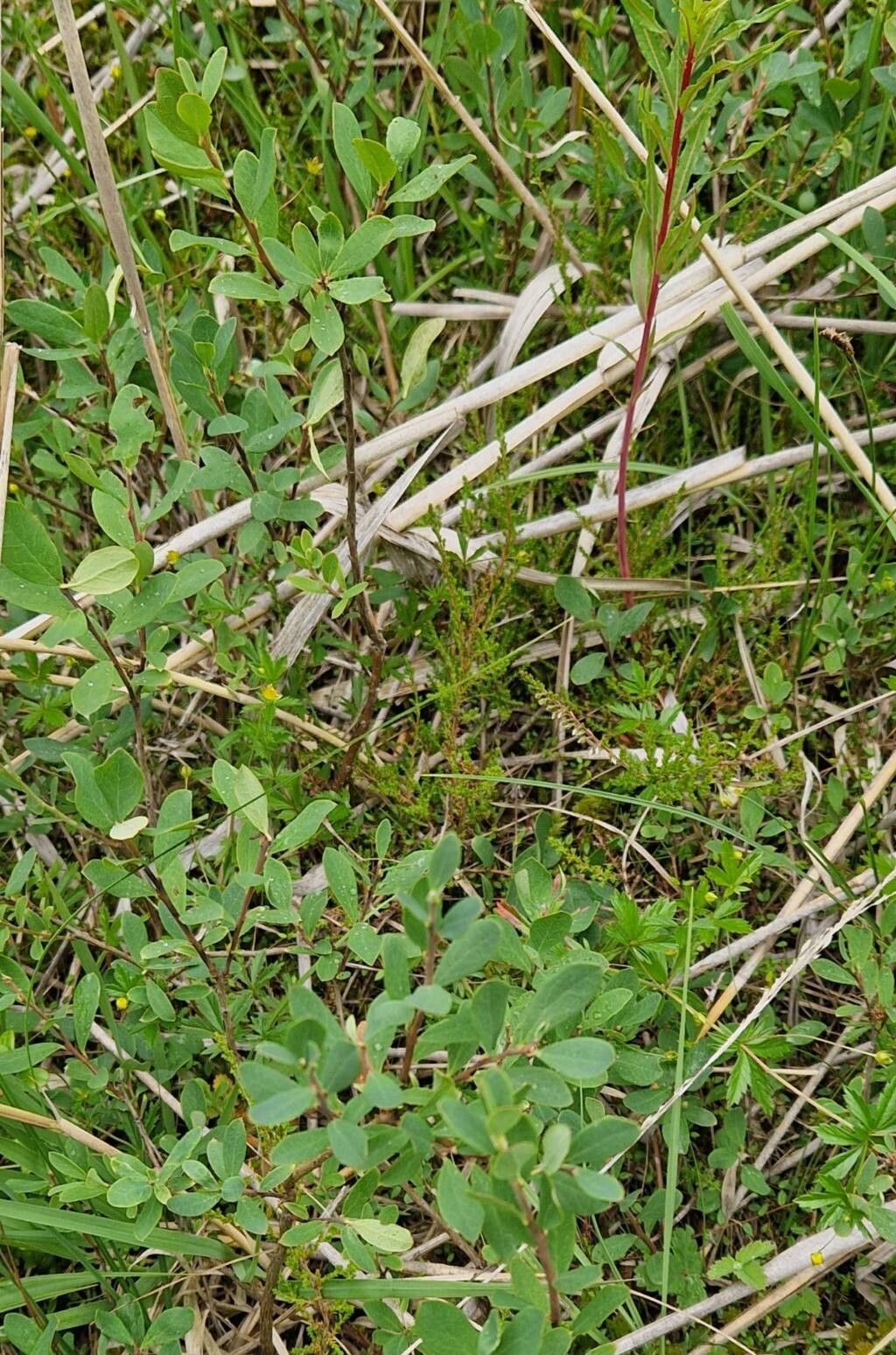
Oh, Vaccinium uliginosum, the bog blueberry! What a delight. I remember the first time I tasted those sweet, tart berries straight from the wild. It’s a real treat, and knowing you grew them yourself? That’s pure garden joy. Propagating these beauties is a wonderfully rewarding endeavor, though I’ll be honest, they can be a little more finicky than some of your more common houseplants. Don’t let that deter you, though! With a little patience and the right approach, you can absolutely have success.
The Best Time to Start
For stem cuttings, the sweet spot is definitely late spring to early summer. This is when the plant is actively growing and has plenty of young, tender growth that will root more readily. You want stems that are firming up a bit but not fully woody. If you’re thinking about division, then early spring, just as the plant is waking up, is your best bet. This allows the divided sections to establish themselves before the heat of summer.
Supplies You’ll Need
Here’s what you’ll want to gather before we dive in:
- Sharp pruning shears or a clean knife: For making clean cuts.
- Rooting hormone (optional, but recommended for cuttings): A powder or liquid that encourages root development.
- A well-draining potting mix: A good blend for bog plants is crucial. I often use a mix of peat moss, perlite, and a bit of coarse sand. You want something that retains moisture but doesn’t become waterlogged.
- Small pots or propagation trays: With drainage holes, of course!
- Plastic bags or a clear propagation cover: To maintain humidity around your cuttings.
- A spray bottle: For light misting.
- For division: A garden fork or spade.
- For division: A small trowel.
Propagation Methods
Let’s get our hands dirty with a couple of tried-and-true methods.
Stem Cuttings
This is my go-to for increasing my Vaccinium uliginosum population.
- Select your stems: Look for healthy, current-season shoots that are about 4-6 inches long. They should snap cleanly when bent, not bend limply.
- Make the cut: Using your sharp shears, make a clean cut just below a leaf node. A node is where a leaf attaches to the stem.
- Prepare the cutting: Gently remove the lower leaves. You want to leave just a couple of leaves at the very top. If the remaining leaves are quite large, you can cut them in half to reduce water loss.
- Apply rooting hormone (optional): Dip the cut end of the stem into your rooting hormone, tapping off any excess.
- Plant the cuttings: Fill your small pots with your prepared potting mix. Make a small hole with a pencil or your finger and insert the cutting, ensuring the nodes where you removed the leaves are below the soil surface. Gently firm the soil around the stem.
- Water and cover: Water them lightly until the soil is moist. Then, cover the pots with a plastic bag or a clear dome to create a humid environment. You can support the bag with stakes so it doesn’t touch the leaves.
- Place in bright, indirect light: Find a spot that receives nice bright light but is shielded from harsh, direct sun.
Division
If your bog blueberry is already established and looking a bit crowded, division is a great way to go. Think of it as giving your plant a refreshing haircut and some new space to thrive.
- Digging up the plant: In early spring, carefully dig around the base of the established plant with a spade or garden fork. You want to lift the entire root ball.
- Separate the sections: Gently shake off excess soil. You should be able to see natural divisions in the root system. Use your hands, a trowel, or even a clean knife to gently pull or cut the plant apart into smaller sections. Each section should have roots and at least one or two shoots.
- Replant immediately: Place the divided sections into their new homes. This could be back in the ground, a larger pot, or into new pots for gifting or starting fresh. Make sure to plant them at the same depth they were previously growing.
- Water thoroughly: Give your newly divided plants a really good watering to help settle the soil and minimize transplant shock.
The “Secret Sauce” (Pro Tips)
Here are a couple of things I’ve learned over the years that can really make a difference:
- Bottom heat is your friend for cuttings: If you have a propagation mat, placing your pots on it can dramatically speed up root formation. The warmth encourages root growth from below while the top stays cooler.
- Don’t let those leaves touch the water in propagation: If you end up trying something like a water propagation method (though I find it trickier for bog blueberries), make absolutely sure that no leaves are submerged. Any foliage in the water is a direct invitation for rot. Only the stem should be in contact with the water.
- Patience with peat: If you’re using peat moss in your mix, remember it can be a bit tricky to re-wet once it dries out completely. I like to pre-moisten my peat moss mix before potting up cuttings.
Aftercare & Troubleshooting
Once your cuttings have developed roots (you can gently tug on them – if there’s resistance, they’ve rooted!), or your divisions are replanted, it’s time for gentle care.
- Acclimatize slowly: Gradually introduce your new plants to less humid conditions by opening up the plastic bag for longer periods over a week or two.
- Consistent moisture: Keep the soil consistently moist but not waterlogged. This is non-negotiable for bog plants.
- Fertilize sparingly: Once they’ve established themselves, you can give them a very dilute feed of an acid-loving plant fertilizer a couple of times during the growing season.
Now, what if things go wrong? The most common culprit is rot. If your cuttings turn mushy and black, or if your divisions look limp and unhealthy despite adequate watering, you’re likely dealing with overwatering or poor drainage. Yellowing leaves can sometimes indicate too much direct sun or nutrient deficiency. If you see fungal spots, ensure good air circulation. Don’t be discouraged if a few don’t make it; it happens to the best of us!
A Encouraging Closing
Propagating Vaccinium uliginosum is a beautiful journey. It might take a little longer than some, and there might be a few wobbles along the way. But trust me, that first harvest of your own-grown bog blueberries is so much sweeter for the effort. Be patient, observe your plants, and enjoy the process of bringing more of these wonderful bushes into your garden. Happy growing!
Resource:
https://identify.plantnet.org/k-world-flora/species/Vaccinium%20uliginosum%20L./data