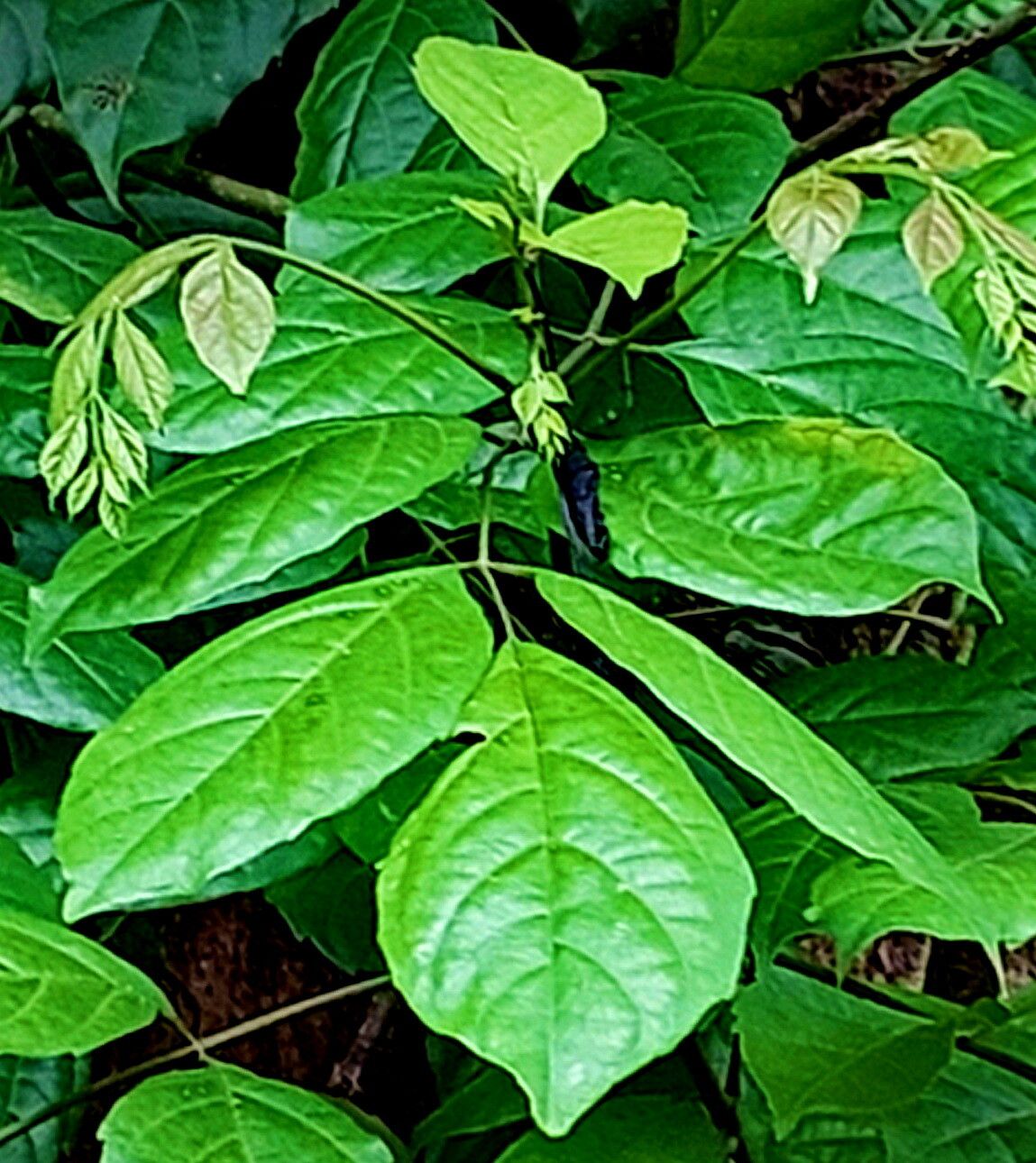
Oh, Dolichandrone serrulata! If you’ve ever seen one of these beauties in bloom, you understand the allure. Those trumpet-shaped flowers, often a soft white or a lovely pale yellow, are just breathtaking. They tend to unfurl in the evenings, filling the air with a delicate fragrance. It’s a plant that truly brings a touch of magic to the garden, and being able to grow your own from a little cutting? That feels like pure wizardry, in the best possible way.
Now, for those of you just dipping your toes into the world of plant propagation, I won’t lie and say Dolichandrone serrulata is as straightforward as rooting a pothos. It can be a bit fussy. But with a little patience and the right approach, it’s absolutely achievable. The reward of seeing those first tiny roots emerge from a leaf you took yourself is so worth the effort.
The Best Time to Start
When it comes to Dolichandrone serrulata, spring and early summer are your golden window. You want to be working with actively growing, but not flowering, stems. Think of them as young, energetic wood – not too soft and floppy, and not old and woody. This is when the plant has all the energy it needs to put into growing new roots. Waiting until after the main flush of spring growth is usually a safe bet.
Supplies You’ll Need
Before we get our hands dirty, let’s gather our tools:
- Sharp Pruning Shears or a Clean Knife: Essential for making clean cuts.
- Rooting Hormone: A powder or gel that encourages root development. I favor a liquid hormone for cuttings, but powder works well too.
- A Well-Draining Potting Mix: I often use a 50/50 mix of seed-starting mix and perlite for excellent aeration. Some people find incorporating a bit of coarse sand helpful too.
- Small Pots or Seedling Trays: Whatever you have that will house your cuttings. Make sure they have drainage holes!
- Plastic Bags or a propagator: To create a humid environment for your cuttings.
- Watering Can or Spray Bottle: For gentle watering.
- Optional: Bottom Heat: A seedling heat mat can significantly speed up root formation.
Propagation Methods
For Dolichandrone serrulata, stem cuttings are generally your most reliable bet.
Stem Cuttings:
- Select Your Material: Choose healthy stems from your parent plant. Look for those pencil-thick lengths, about 6-8 inches long. Remove any flowers or flower buds – they steal energy from root development.
- Make the Cut: Using your clean pruning shears or knife, make a clean, angled cut just below a leaf node. This is where new roots are most likely to emerge.
- Prepare the Cutting: Gently remove the lower leaves, leaving just a couple at the very top. If the remaining leaves are large, I sometimes like to cut them in half to reduce water loss through transpiration.
- Apply Rooting Hormone: Dip the cut end of the stem into your rooting hormone, ensuring it’s coated. Tap off any excess.
- Planting: Make a hole in your potting mix with a small stick or your finger. Carefully insert the cutting, ensuring the leaf nodes previously covered by soil are underground. Firm the soil gently around the stem.
- Water Well: Water the pot thoroughly but gently, allowing excess water to drain away.
- Create Humidity: Cover the pot with a clear plastic bag or place it in a propagator. This traps humidity, which is crucial for cuttings to root. Ensure the bag doesn’t touch the leaves too much.
- Location: Place the pot in a bright spot out of direct sunlight. A slightly warmer location, especially with bottom heat, will be beneficial.
The “Secret Sauce” (Pro Tips)
Here are a few tricks that have made all the difference for me:
- Don’t Let the Leaves Touch the Water: If you’re a bit worried about the moisture in your potting mix, you can also try wrapping a bit of damp sphagnum moss around the base of the cutting after dipping it in rooting hormone. Then, tuck that into your pot. The key is to keep the exposed stem moist without it becoming waterlogged.
- Bottom Heat is Your Friend: Seriously. A seedling heat mat set to around 70-75°F (21-24°C) can dramatically speed up the rooting process, especially if your home isn’t naturally warm. Roots are like little underground engines, and they love a bit of warmth to get going.
- Be Patient with the Mist: While you want humidity, you don’t want a soggy environment. Lightly mist your cuttings every few days if the soil surface starts to look dry, but avoid overwatering. Good air circulation is still important to prevent fungal issues.
Aftercare & Troubleshooting
Once you start seeing new leaf growth or feel a gentle tug when you lightly pull on the cutting, it’s a good sign that roots have formed!
- Gradual Acclimation: As those roots develop, gradually introduce your new plant to less humid conditions. Start by opening the plastic bag for a few hours each day, then remove it entirely over a week or two.
- Monitor Moisture: Keep the soil consistently moist but never waterlogged. Think of it like a wrung-out sponge.
- Troubleshooting: If your cuttings turn yellow and limp, or become mushy at the base, it’s usually a sign of rot. This often happens due to overwatering or poor drainage. Unfortunately, a rotted cutting is usually a goner. The best approach is prevention: good drainage, proper watering, and that crucial humidity. If leaves simply wither and fall off, it might be too dry, or the cutting wasn’t viable. Don’t get discouraged too quickly; sometimes it just takes a few tries.
A Little Patience Goes a Long Way
Propagating can feel like a bit of a waiting game, and with Dolichandrone serrulata, that’s certainly true. But the satisfaction of nurturing a tiny cutting into a flourishing plant is an experience unlike any other. So, grab your shears, find a good stem, and enjoy the process. Happy propagating!
Resource: