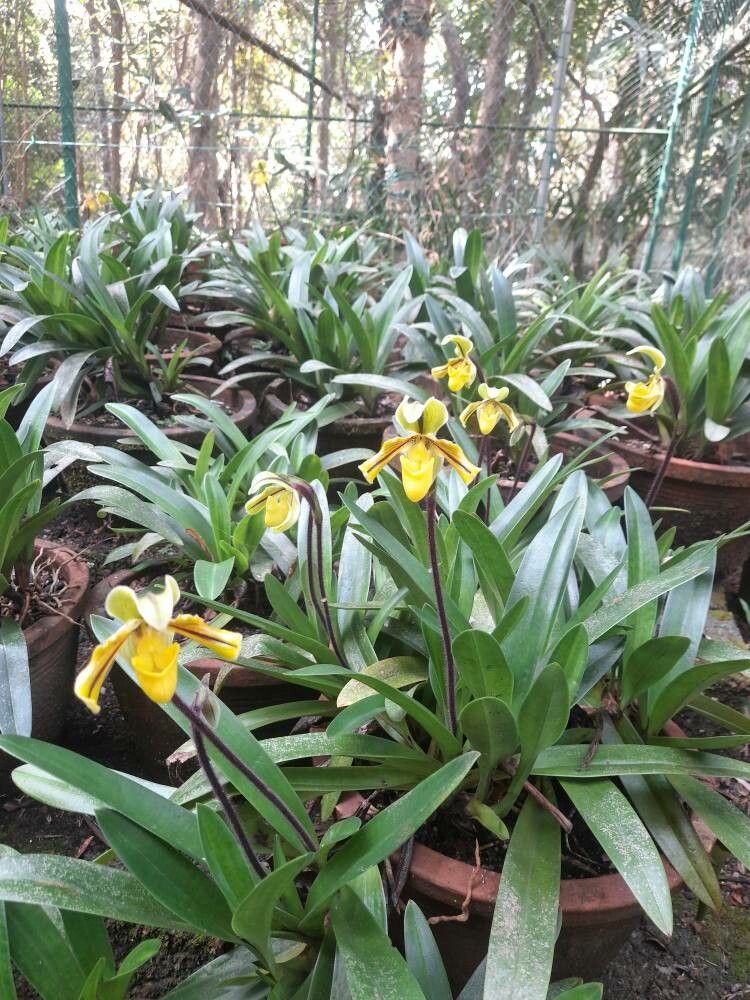
Oh, hello there, fellow plant lover! Pull up a chair. I’ve got a little something special to share with you today, a real gem of the orchid world: Paphiopedilum druryi. Aren’t they just charming with their distinctive pouches and elegant blooms? They’re like little woodland fairies, peeking out from your collection. Propagating these beauties isn’t just about getting more plants; it’s about understanding their rhythm and celebrating their resilience. Now, I’ll be honest, Paphiopedilum druryi can be a bit of a diva when it comes to propagation, a tad more challenging than your average pothos, but the reward of seeing those first tiny roots emerge? Absolutely priceless! It’s a journey worth taking.
The Best Time to Start
When it comes to coaxing new life from your Paphiopedilum druryi, timing is everything. The absolute sweet spot is during the active growing season. For most of us, this means spring and early summer. You’ll know it’s the right time because your orchid will be looking robust, putting out new leaves, and generally feeling energetic. Avoid attempting propagation when the plant is stressed, dormant, or just finishing up a bloom cycle. Think of it like giving a little nudge when they’re already full of life.
Supplies You’ll Need
Let’s get you all prepped. Having the right tools makes all the difference, and for P. druryi, a bit of precision goes a long way.
- Sharp, sterilized pruning shears or a clean knife: We want clean cuts, no crushing. Sterilize with rubbing alcohol.
- A good orchid potting mix: I highly recommend a bark-based mix specifically for Paphiopedilums. It needs to drain well but also retain a little moisture. Think finely graded orchid bark with perlite and a bit of charcoal.
- Small pots or divided containers: You want them to be just big enough for the new divisions. Terracotta pots are lovely, or you can use small plastic ones.
- Rooting hormone (optional, but recommended): A diluted cinnamon powder can also work as a mild rooting aid and fungicidal agent.
- Distilled water or rainwater: Tap water can sometimes have too many minerals for these sensitive orchids.
- Sphagnum moss (long-fibered): This is excellent for retaining humidity around young propagations.
- A humidity dome or plastic bag: To keep things nice and moist.
- Labels and a permanent marker: So you don’t forget what you’ve done!
Propagation Methods
For Paphiopedilum druryi, division is generally the most successful and least stressful method of propagation. We’re essentially separating an established plant into smaller, viable pieces.
- Assess Your Plant: Look for a mature P. druryi that has developed at least two or three healthy growths (these are the leafy clumps). You’re looking for a spot where a new growth is emerging from the base of an older one, with its own root system starting.
- Gently Remove from Pot: Carefully slide the orchid out of its pot. It’s best to do this after a good watering, so the roots aren’t bone dry and brittle.
- Loosen the Root Ball: Gently tease away the old potting mix from the roots. You can use your fingers or a wooden chopstick to help. Be patient here; don’t yank!
- Identify Division Points: Look for natural separation points between the growths. You want to find areas where a growth has its own set of healthy roots. A division should ideally have at least two to three healthy pseudobulbs (or mature growths) and a good cluster of roots.
- Make Your Cut: Using your sterilized shears or knife, make a clean, decisive cut between the chosen growths. If there aren’t clear natural separation points, you may need to carefully cut through some of the rhizome (the connecting stem) between the growths, ensuring each division gets ample roots.
- Prepare the Divisions: Gently remove any dead or mushy roots. If you’re using a fungicide or rooting hormone, a light dusting or dip at this stage is fine. Let the cut surfaces air dry for at least 24 hours, or even longer until a callus forms. This is crucial to prevent rot.
- Potting Up: Plant each division in its own appropriately sized pot. Use your fresh, well-draining orchid mix. Position the division so the base of the new growths are just at the surface of the mix. Don’t bury them too deep!
- Watering Gently: Water very sparingly at first. You want the mix to be slightly moist, not waterlogged.
The “Secret Sauce” (Pro Tips)
Here are a few little tricks I’ve picked up over the years that can really help your Paphiopedilum druryi divisions thrive:
- The Power of Patience with Drying: I can’t stress this enough: letting those cut surfaces fully callus over is your best defense against rot. I often leave mine out on a dry paper towel in a well-ventilated spot for 2-3 days if the environment is dry, or just 24-48 hours if it’s more humid.
- Bottom Heat is Your Friend: Young orchid divisions, especially Paphiopedilums, love a little warmth from below. Placing your potted divisions on a seedling heat mat set to a gentle 70-75°F (21-24°C) can significantly speed up root development. It encourages the plant to focus its energy downwards.
- Mimic the Mist: While you don’t want to constantly drench the potting mix, keeping the humidity high around the leaves is vital. I like to place my newly potted divisions in a clear plastic bag with a few small ventilation holes, or under a humidity dome, for the first few weeks. Just ensure there’s good air circulation to prevent fungal issues.
Aftercare & Troubleshooting
Once your divisions are potted, give them a cozy spot. They prefer bright, indirect light – think of the dappled shade you’d find on a forest floor. For the first few weeks, water very sparingly. Just enough to keep the potting mix lightly moist. You’re aiming for that “just damp” feeling, almost like a wrung-out sponge. Gradually increase watering as the roots establish.
The most common signs of trouble are rot (mushy, blackening leaves or roots) and dehiscence (the leaves shriveling up and falling off). Rot is usually a sign of overwatering or poor air circulation. If you spot rot, act fast! You may need to repot, cut away the affected parts, and let the remaining healthy parts dry thoroughly. Shriveling leaves can indicate insufficient root development or that the plant isn’t getting enough moisture, even if the mix feels damp. In this case, try misting the leaves lightly and ensuring good humidity.
A Little Encouragement
Creating new life from a plant you love is one of the most satisfying parts of gardening. Don’t be discouraged if your first attempt isn’t perfect. Paphiopedilum druryi has its own way of doing things, and part of the joy is learning to work with it. Be patient, observe your little beauties closely, and soon enough, you’ll have a whole new generation of these enchanting orchids to admire. Happy growing!
Resource:
https://identify.plantnet.org/k-world-flora/species/Paphiopedilum%20druryi%20(Bedd.)%20Stein/data