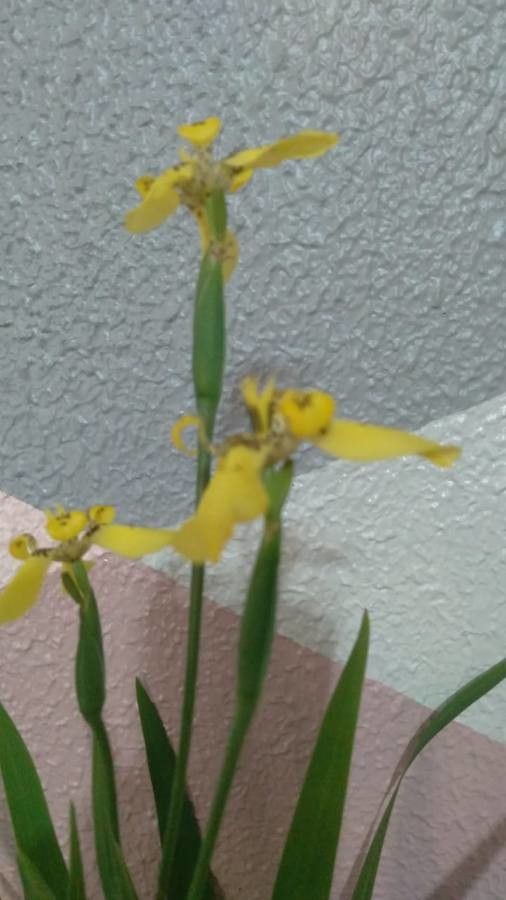
Hey there, fellow plant lovers! I’m so excited to chat with you today about a truly delightful plant: Trimezia fosteriana. You might know it as the “Yellow Walking Iris” or simply “Ginger Lily.” It’s got these fantastic, iris-like yellow flowers often marked with brown spots, and they unfurl almost magically from charming spathes. They have this lovely, slightly informal cascade of foliage that brings a relaxed tropical vibe to any space.
Now, the good news? If you’ve been eyeing this beauty and wondering if you can grow more of them, you’re in luck! Propagating Trimezia fosteriana is a wonderfully rewarding experience, and I’d say it’s quite beginner-friendly. It’s not fussy, and with a little attention, you’ll have a whole collection before you know it.
The Best Time to Start
Generally, the spring and early summer are your best bets for propagating Trimezia fosteriana. This is when the plant is actively growing after its winter rest. You’ll see new shoots emerging, and the rhizomes will be plump and full of energy, making them much more receptive to propagation. Waiting until the plant has finished its main blooming cycle can also be a good signal that it’s ready to be divided.
Supplies You’ll Need
Gathering your supplies beforehand makes the whole process so much smoother! Here’s what I like to have on hand:
- Sharp Pruning Shears or a Clean Knife: For making clean cuts.
- Well-Draining Potting Mix: A good blend for us is 1 part high-quality potting soil, 1 part perlite, and 1 part coarse sand. This mimics their natural preference for sharp drainage.
- Small Pots or Trays: Depending on how many you’re propagating.
- Optional: Rooting Hormone: While not strictly necessary for Trimezia fosteriana, it can give things a little boost, especially if you’re dividing.
- Watering Can or Spray Bottle: For gentle watering.
- Labels and a Pen: To keep track of your new babies!
Propagation Methods
The most straightforward and successful way to propagate Trimezia fosteriana is through division. This plant grows from rhizomes (underground stems), and these rhizomes naturally multiply over time.
Here’s how I do it:
- Gently Excavate: Carefully dig up the entire plant from its pot. If it’s in the ground, loosen the soil around it with a trowel and lift the clump.
- Inspect the Rhizomes: Once you have the plant out, gently shake off excess soil to get a clear view of the rhizomes. You’ll see the main clump with new shoots emerging from its sides.
- Separate the Divisions: Using your clean shears or knife, separate healthy sections of the rhizome. Each division should have at least one or two healthy shoots and a good portion of the rhizome attached. If the rhizomes are very tangled, you might need to gently pull them apart with your hands.
- Trim Excess Foliage (Optional): If the leaves are very long and floppy, you can trim them back by about a third. This helps reduce water loss while the division establishes itself.
- Potting Up: Fill your clean pots with your prepared, well-draining mix. Make a small hole in the center and place your division in it, ensuring the top of the rhizome is just at or slightly below the soil surface. You don’t want to bury it too deeply.
- Water Gently: Water the newly potted divisions thoroughly until water runs out of the drainage holes. This helps settle the soil around the rhizome.
The “Secret Sauce” (Pro Tips!)
You know, over the years, I’ve picked up a few little tricks that seem to make all the difference. For Trimezia fosteriana, here are a couple that I swear by:
- Don’t Be Afraid to Gently Pull: While dividing, don’t be overly concerned if a piece breaks off slightly imperfectly. As long as it has a bit of rhizome and at least one shoot, it has a good chance of survival. Trimezia are tough cookies!
- Mimic the Tropics (Slightly): These plants love a bit of humidity. Once potted, I like to place the new divisions in a slightly warmer spot, perhaps on a heat mat if you have one for seed starting, or simply in a bright, draft-free area. This gentle warmth really encourages root development. And if it’s very dry, a light misting once a day can be beneficial, but avoid waterlogging at all costs.
Aftercare & Troubleshooting
Once your divisions are potted, the main thing is to keep the soil consistently moist but not waterlogged. They’re establishing new roots, so they need that steady supply of water.
Signs of success? You’ll start to see new leaf growth emerging from the center of the shoots within a few weeks. That’s always the best feeling!
Now, what if things… aren’t going as planned? The most common issue you’ll encounter is rot. This usually happens when the divisions are kept too wet, especially in cooler conditions. If you notice a rhizome turning mushy or black, or shoots wilting and collapsing, it’s likely rot setting in. Unfortunately, there’s little you can do for a rotted piece. The best remedy is prevention: ensure excellent drainage and water judiciously. If a division looks iffy but not completely gone, I sometimes try repotting it in fresh, very dry mix and waiting to see if it bounces back.
A Little Seed of Encouragement
Propagating plants is a beautiful way to connect with nature and expand your green kingdom without spending a fortune. Be patient with your newly divided Trimezia fosteriana. Like all living things, they need a little time to settle in and show you what they can do. Enjoy watching those new shoots emerge – it’s like witnessing a tiny miracle! Happy gardening!
Resource:
https://identify.plantnet.org/k-world-flora/species/Trimezia%20fosteriana%20Steyerm./data