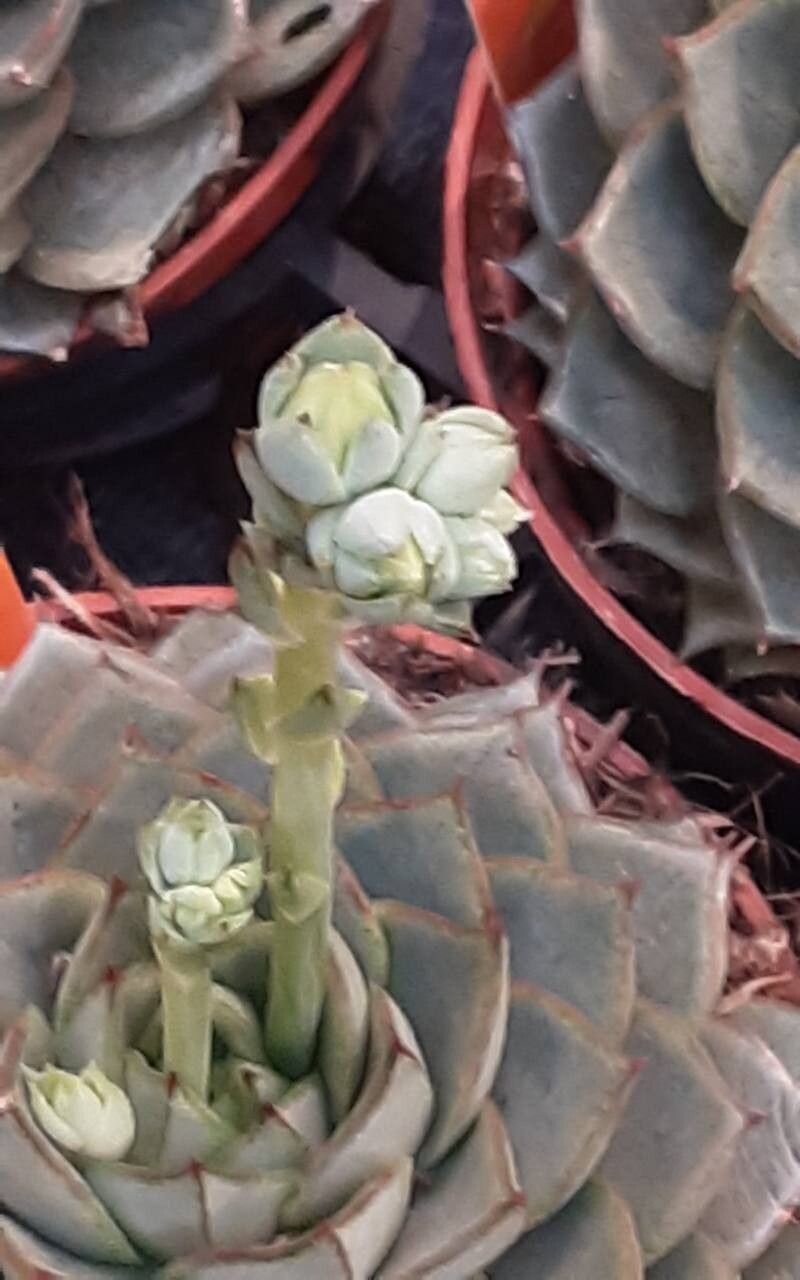
Oh, hello there! So, you’ve fallen for the charms of Echeveria derenbergii, have you? I don’t blame you one bit. These little rosettes, often called Deborah Echeveria or Painted Echeveria, are just delightful. They’re compact, with gorgeous rosy-tipped leaves that really add a touch of whimsy to any collection. And the best part? They’re surprisingly rewarding to propagate. Even if you’re just dipping your toes into the world of succulents, you’ll find this one a joy to multiply. Don’t be intimidated; I’m here to help you every step of the way.
The Best Time to Start
When it comes to getting your Echeveria derenbergii off to a good start, timing is everything. I find the sweet spot to be during its active growing season, which for most succulents is spring and early summer. The days are getting longer, the sun is getting warmer, and the plant itself is just bursting with energy. This means it’s more likely to produce healthy roots and new growth quickly. Trying to propagate when the plant is dormantly (usually late fall or winter) can be a slower process, and you might have less success.
Supplies You’ll Need
Before we get our hands dirty, let’s gather our tools. Having everything ready will make the whole process smooth sailing.
- Well-draining potting mix: A cactus and succulent mix is ideal. You can also make your own by combining potting soil with perlite or pumice (about a 50/50 ratio works wonders).
- Clean, sharp pruning shears or scissors: For making clean cuts.
- Rooting hormone (optional, but helpful): This encourages faster root development.
- Small pots or trays: For your new cuttings. Don’t go too big; a little rootbound situation can actually encourage rooting.
- Watering can or spray bottle: For gentle watering.
- Small trowel or spoon: For filling pots.
- Labels and a marker: Trust me, you’ll thank me later when you have a bunch of little green babies!
Propagation Methods
There are a couple of tried-and-true ways to get more Echeveria derenbergii from your existing plant. I’ll walk you through the ones I use most often.
Stem Cuttings
This is my go-to method for Echeveria derenbergii. It’s efficient because you can often get several cuttings from one plant.
- Identify a healthy stem: Look for a stem on your Echeveria that has several leaves attached and is at least an inch or two long. You can also take cuttings from the top of a plant that might be getting a bit leggy.
- Make the cut: Using your clean shears, cut the stem cleanly. Aim for a cut just above a set of leaves.
- Prepare the cutting: Gently remove the bottom few leaves from the stem. These leaves can be propagated separately (more on that in a moment!).
- Let it callus: This is a crucial step! Place your cuttings in a dry, indirect light spot for 2-3 days. You want the cut end to dry out and form a callus. This prevents rot when you plant it.
- Plant the cutting: Fill your small pots with your well-draining soil mix. You can gently dip the callused end of the stem into rooting hormone if you’re using it. Then, make a small hole in the soil and insert the stem, ensuring it’s stable. The leaves should be well above the soil line.
- Water sparingly: Don’t water immediately after planting. Wait a day or two, and then water very lightly. You want the soil to be just slightly moist, not soggy.
Leaf Propagation
While stem cuttings are usually more successful with Echeveria derenbergii, you can also try propagating from individual leaves. It takes longer, and not every leaf will root, but it’s still a fun experiment!
- Gently remove leaves: Wiggle a healthy leaf from the parent plant until it comes off cleanly at the stem. You want to ensure you get the very base of the leaf.
- Callus the leaf: Just like with stem cuttings, let your leaves sit in a dry spot for 2-3 days until the broken end is callused.
- Lay them on soil: Fill a shallow tray or pot with your succulent mix. Lay the leaves on top of the soil. You don’t need to bury them. The callused end should be where roots will eventually emerge.
- Mist lightly: Lightly mist the soil around the leaves every few days. The goal is to keep the soil just barely moist, not drenched. You’ll start to see tiny roots and eventually a new rosette forming from the end of the leaf.
The “Secret Sauce” (Pro Tips)
After years of playing with succulents, I’ve picked up a few tricks that can really boost your propagation success.
- Don’t rush the roots: Patience is key here! For stem cuttings, I often wait until I see new growth before watering more regularly. For leaf cuttings, it can take weeks, even months, for roots to appear. Resist the urge to dig around; just let them be.
- Bottom heat is your friend: If you’re struggling with sluggish rooting, consider a seedling heat mat. Placing your pots on a gentle heat mat can significantly speed up root development, especially if your propagating area is a bit cooler. Just make sure it’s set to a low temperature.
- Observe your calluses: Before planting any cutting, I always give the callused end a little gentle poke. If it feels dry and firm, you’re good to go. If it still feels a bit soft or moist, give it another day or two to dry out fully.
Aftercare & Troubleshooting
Once you see signs of life – either tiny roots peeking out or a minuscule baby plant forming – it’s time to adjust your care.
For rooted cuttings, gradually increase watering. Water when the soil is dry to the touch, and make sure excess water can drain away. Avoid letting them sit in soggy conditions. As the new plant grows, you can eventually transplant it into its own pot.
The main culprit to watch out for is rot. If your cuttings turn mushy, black, or just don’t seem to be doing anything, it’s likely a sign of too much moisture. Unfortunately, if rot sets in, it’s usually difficult to save. It’s better to start fresh with a new cutting. If leaves simply shrivel up without rooting, they might have been too dry or not received enough light, or perhaps the leaf wasn’t fully detached at the stem.
A Little Encouragement
You’ve got this! Propagating succulents like Echeveria derenbergii is a wonderful way to connect with your plants and expand your collection without spending a fortune. Don’t be discouraged if every single cutting doesn’t make it. Nature has its own rhythm, and gardening is all about learning and adapting. Enjoy the process, celebrate the little victories, and before you know it, you’ll have a whole windowsill full of these charming little rosettes. Happy propagating!
Resource:
https://identify.plantnet.org/k-world-flora/species/Echeveria%20derenbergii%20J.A.Purpus/data