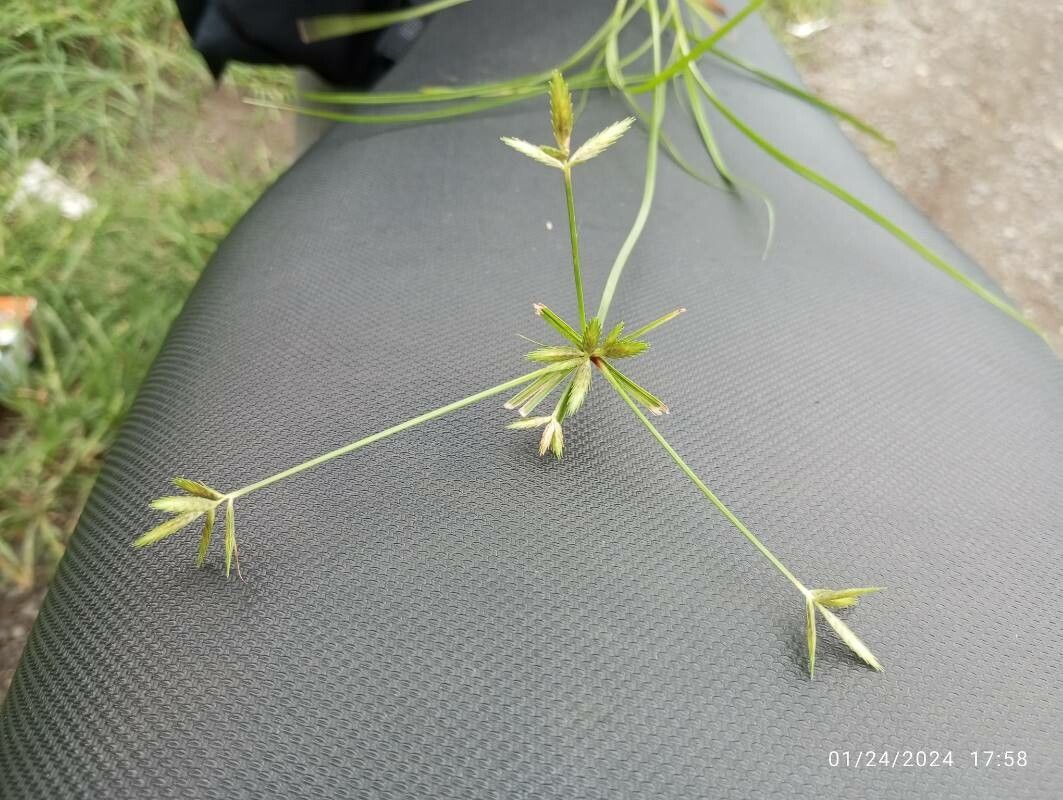
Hey there, fellow plant lovers! I’m so excited to chat with you today about a little something I adore: Cyperus compressus, often called the compressed flatsedge. This graceful plant, with its architectural elegance and striking green foliage, brings a touch of wild beauty to any space. Whether you’re envisioning it as a striking specimen in a water feature, a lush addition to a terrarium, or simply a unique houseplant, Cyperus compressus is a real winner.
And the best part? Propagating it is incredibly rewarding! Watching those tiny new shoots emerge and grow into their own little selves is a joy. For beginners, I’d say Cyperus compressus is wonderfully accessible. It’s not overly fussy, so don’t feel intimidated to give it a whirl.
When to Get Started
The sweet spot for propagating Cyperus compressus is during its active growing season. Think spring and summer. This is when the plant has plenty of energy to put into developing new roots and shoots. Trying to propagate when the plant is dormant, typically in the cooler, darker months, is just setting yourself up for disappointment.
What You’ll Need
Gather these essentials, and you’ll be well on your way:
- Sharpshears or a clean, sharp knife: For making clean cuts.
- Small pots or propagation trays: With drainage holes, of course!
- Well-draining potting mix: I like a blend of peat moss, perlite, and a bit of compost. For aquatic propagation, that’s a different story, but we’ll get to that.
- Rooting hormone (optional but helpful): A powder or gel can give cuttings a boost.
- Plastic bags or a propagation dome: To create a humid environment for cuttings.
- Water: Clean, room-temperature water is best for water propagation.
Let’s Get Propagating!
There are a couple of really effective ways to multiply your Cyperus compressus.
Method 1: Division (The Easiest Way)
This is often the most straightforward method, especially for established plants.
- Gently unpot your mature plant. Try not to disturb the roots too much.
- Inspect the root ball. You’re looking for distinct clumps or sections of the plant that have their own root system.
- Carefully tease apart the root ball. You can use your fingers or a clean trowel to gently separate these sections. If a section is particularly stubborn, use your clean shears or knife to divide it. Make sure each division has some healthy roots and at least one shoot or leaf emerging.
- Pot up your divisions. Plant each new clump into its own pot filled with your well-draining potting mix. Water them in gently.
Method 2: Stem Cuttings (For the Patient Gardener)
While I find division more reliable, stem cuttings can also work for Cyperus compressus.
- Select a healthy stem with leaves. Look for a non-flowering stem that’s firm and green.
- Make a clean cut. Use your sharp shears or knife to cut the stem about an inch below a leaf node. Remove any leaves from the bottom half of the cutting.
- Dip in rooting hormone (optional). If you’re using rooting hormone, dip the cut end into the powder or gel.
- Plant the cutting. Insert the cut end into a pot filled with your potting mix. You can plant several cuttings in the same pot, spacing them a few inches apart.
- Create humidity. Water the soil lightly, then cover the pot with a plastic bag or a propagation dome to trap moisture. Place it in a bright spot, but out of direct sun.
Method 3: Water Propagation (A Visual Treat!)
This method is fantastic because you can watch the roots develop!
- Take a cutting. Follow steps 1 and 2 from the stem cutting method.
- Place in water. Put the cutting in a jar or vase filled with clean, room-temperature water.
- Crucial detail: Make sure no leaves are touching the water. This is a common mistake that leads to rot. Leaves submerged will just decay and contaminate the water.
- Change the water regularly. Every few days, refresh the water to keep it clean and oxygenated.
- Wait for roots. It can take a few weeks to see signs of root development. Once the roots are about an inch long, you can carefully transplant the cutting into a pot with potting mix.
My Little “Secrets”
Over the years, I’ve learned a few tricks that seem to make a big difference.
- Bottom Heat is Your Friend: For stem cuttings, placing your pots on a heating mat specifically designed for plants can speed up root formation significantly. It mimics the warmth of spring soil, giving those roots the nudge they need to grow.
- Don’t Overwater (Even in Water!): While humidity is key for cuttings, soggy soil is the enemy of new roots. Let the potting mix get slightly dry to the touch between waterings. For water propagation, as I mentioned, keeping leaves out of the water is paramount to avoid rot.
- Patience with the Potting Mix: If you’re using potting mix, ensure it’s light and airy. A dense, heavy mix can suffocate developing roots. Adding perlite or vermiculite is your best bet.
Aftercare and What to Watch For
Once you see healthy roots forming – whether it’s in water or poking out the bottom of your pot – it’s time to treat your new plant like a little VIP.
- Transitioning: If you propagated in water, gradually acclimate your new plant to your home environment for a few days before potting.
- Watering: Water your newly potted divisions or transplanted cuttings thoroughly, then let the top inch of soil dry out before watering again.
- Light: Place your new plants in bright, indirect light. Avoid harsh, direct sunlight, which can scorch tender new growth.
Now, what if things don’t go as planned? The most common issue you might encounter is rot. This usually happens due to overwatering or poor air circulation. If you notice your cutting turning mushy and brown, or if the soil stays constantly waterlogged, it’s likely rot setting in. Remove any affected parts immediately and try to increase air flow or reduce watering. Don’t be discouraged; it’s all part of the learning process!
Happy Growing!
There you have it – a straightforward guide to bringing more of this lovely Cyperus compressus into your life. Remember to be patient, observe your plants, and most importantly, enjoy the incredible journey of growing from scratch. Happy propagating, and may your new plants thrive!
Resource:
https://identify.plantnet.org/k-world-flora/species/Cyperus%20compressus%20L./data