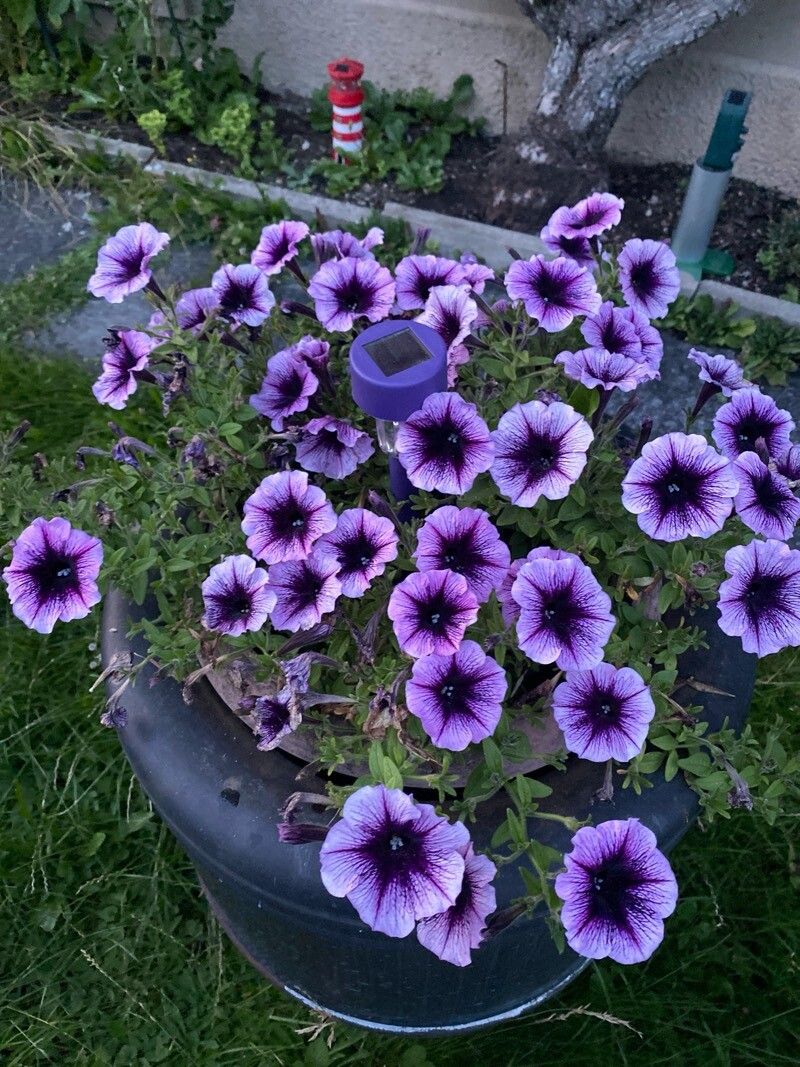
Oh, hello there, fellow garden enthusiast! Grab a mug, settle in, and let’s chat about something I absolutely adore – propagating Petunia occidentalis. If you’re drawn to those charming, often wilder petunias with their delicate blooms and slightly more unassuming vibe compared to their showier cousins, then you’re in for a treat. Sharing these beauties with friends, or just filling your own garden with more of them, is incredibly satisfying. And the good news? Petunia occidentalis is surprisingly forgiving, making it a wonderful plant for beginners looking to dip their toes into the world of propagation.
The Best Time to Start
For the highest chance of success with Petunia occidentalis, I always recommend starting in late spring or early summer. This is when the plants are in their active growth phase and have plenty of energy to put into rooting. You want to select stems that are healthy and vigorous, but not yet flowering. Think of it as taking a cutting from a salad for your own plate – you want the freshest, most vibrant part!
Supplies You’ll Need
Here’s a little checklist to get you prepared:
- Sharp Pruning Shears or a Craft Knife: Cleanliness is key here to prevent disease.
- Small Pots or Seed Starting Trays: Anything that can hold your cuttings and a bit of soil.
- Propagating Medium: A well-draining mix is crucial. I often use a 50/50 blend of perlite and peat moss or coco coir. Some folks swear by just perlite, and that can work too!
- Rooting Hormone (Optional, but Recommended): A powder or gel can significantly speed up the rooting process.
- Small Watering Can or Spray Bottle: For gentle watering.
- Plastic Bags or a Propagator Lid: To create a mini-greenhouse environment.
Propagation Methods
Let’s get our hands dirty! The most reliable method for Petunia occidentalis is stem cuttings.
- Take Your Cuttings: With your clean shears, snip off healthy, non-flowering stems that are about 3-4 inches long. Look for stems that have new growth at the tips.
- Prepare the Cuttings: Gently remove the lower leaves from the stem, leaving just a couple of leaves at the very top. This prevents them from rotting in the soil. If the leaves are quite large, you can even cut them in half horizontally to reduce water loss.
- Apply Rooting Hormone (If Using): Dip the cut end of the stem into your rooting hormone. Tap off any excess.
- Plant Your Cuttings: Make small holes in your prepared potting mix with a pencil or your finger. Insert the cuttings into the holes, making sure the nodes (where the leaves were removed) are buried. Gently firm the soil around the base of the cuttings.
- Water Gently: Water the soil thoroughly, but avoid waterlogging. A gentle shower from a watering can or a few sprays from a bottle will do.
- Create a Humid Environment: Cover the pots with a plastic bag or a propagator lid. Make sure the leaves don’t touch the plastic if possible. This is vital for keeping the cuttings hydrated while they grow roots.
- Place in Bright, Indirect Light: Find a warm spot that gets plenty of bright, indirect light. Direct sun will scorch those delicate cuttings.
The “Secret Sauce” (Pro Tips)
Here are a few little tricks I’ve picked up over the years:
- Bottom Heat is Your Friend: If you have a heating mat designed for seedlings, popping your pots on top of it can make a huge difference. It encourages those roots to form much faster. You don’t want it scorching hot, just a gentle warmth.
- Don’t Be Afraid of “Heeling”: Sometimes, for slightly tougher stems, I’ll gently scrape away a tiny sliver of the outer layer on one side of the cut base. This exposes more of the cambium layer, which can then encourage faster root development. It’s a subtle tweak, but it can boost success rates.
- Watch for That “Green Surge”: Once your cuttings have been in their cozy environment for a few weeks, you’ll often see a little bit of new, vibrant green growth appearing at the very tip. This is usually a fantastic sign that roots are forming underneath!
Aftercare & Troubleshooting
Once you see evidence of roots – you might gently tug on a cutting, and it will feel resistant, or you might see tiny root tips emerging from the drainage holes – it’s time to adjust their care.
Slowly acclimate your new plants to less humid conditions by gradually removing the plastic cover over a few days. Continue to keep them in bright, indirect light. Water them when the top inch of soil feels dry.
The most common problem you’ll encounter is rot. If you see your cuttings turning mushy or black at the base, it’s usually a sign of too much moisture and not enough air circulation. Make sure your potting mix is super well-draining and don’t overwater. If a cutting rots, sadly, it’s best to remove it to prevent it from affecting others. Don’t get discouraged; it happens to all of us!
A Encouraging Closing
Growing new plants from cuttings is a truly magical experience, isn’t it? It’s a tangible connection to the cycle of life in your garden. Be patient with your Petunia occidentalis cuttings. Some will root faster than others. Celebrate every little success, learn from the ones that don’t make it, and most importantly, enjoy the process of bringing more of these lovely flowers into your world. Happy propagating!
Resource:
https://identify.plantnet.org/k-world-flora/species/Petunia%20occidentalis%20R.E.Fr./data