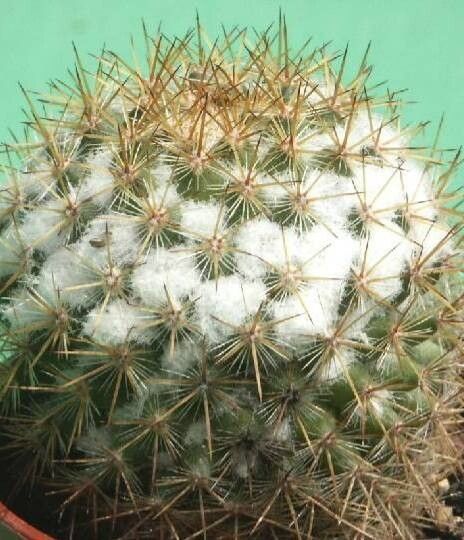
Well hello there, fellow plant lover! Pull up a chair and let’s chat about one of my absolute favorite cacti: Mammillaria columbiana. If you’ve ever admired its charming clusters of tiny spines and cheerful blooms, you’re not alone. It’s a real gem, and the wonderful thing is, it’s quite generous with its babies!
Propagating Mammillaria columbiana is truly a joy. It’s a way to not only get more of these beautiful plants for yourself but also to share them with friends. And the best part? I’d say it’s a pretty beginner-friendly endeavor. You don’t need a degree in botany to succeed here!
The Best Time to Start
Timing is everything, as we gardeners know! For Mammillaria columbiana, the absolute best time to start propagating is during its active growing season. Think late spring and summer. The plant is full of energy then, and those new offsets (or “pups,” as I like to call them) will have the best chance of establishing themselves quickly. Waiting until the plant has warmed up after winter is key.
Supplies You’ll Need
Gathering your tools before you begin makes the whole process smoother. Here’s what I always have on hand:
- Well-draining cactus and succulent soil mix: You can buy a pre-made one, or I often mix my own with equal parts potting soil, perlite, and coarse sand.
- Sharp, clean pruning shears or a sharp knife: Sterilize them with rubbing alcohol before you start to prevent any nasty infections.
- Rooting hormone (optional, but helpful): A little bit can encourage faster root development.
- Small pots or seed trays: Clean ones, of course!
- Gravel or perlite: For that all-important drainage layer at the bottom of pots.
- A spray bottle: For a light misting.
- Gloves: Cacti spines can be tenacious!
Propagation Methods
Mammillaria columbiana is wonderful because it readily produces offsets from its base. This is typically the easiest and most successful way to propagate it.
Method: Offset Separation
- Gently remove the offset: Carefully unpot your mother plant. You’ll notice young plantlets growing around the base. Using your sterilized knife or shears, carefully cut or twist the offset away from the main body of the plant. Try to get a bit of root attached if you can, but don’t worry too much if you don’t.
- Allow it to callous: This is a crucial step! Place the separated offset in a dry, well-ventilated location for several days to a week. You want the cut surface to dry out and form a protective callus. This prevents rot when you plant it. It might look a little sad, but trust the process!
- Plant your new cactus: Once calloused, fill your small pot with your well-draining cactus mix. Make a small hole in the soil and gently place the offset into it. If it has roots, arrange them naturally. If not, just set the base into the soil. Don’t bury it too deeply.
- Watering (the delicate part): Now, this is where many beginners go wrong. Do NOT water immediately. Wait about a week after planting, and then give it a light watering. You want the soil to be just barely moist. Continue to water sparingly, allowing the soil to dry out completely between waterings.
The “Secret Sauce” (Pro Tips)
Here are a couple of things I’ve learned over the years that really make a difference:
- Bottom Heat is Your Friend: If you’re propagating in a cooler environment, popping your pots on a seedling heat mat can significantly speed up root development. It mimics the warmth of the soil the plant naturally prefers.
- Air Circulation is Key: Don’t overcrowd your babies! Good airflow around them prevents fungal diseases and rot. If you’re starting many, ensure there’s space between pots, or use a fan on a low setting for a few hours a day.
- Patience with the Callous: I can’t stress enough how important allowing that cut end to dry and form a callus is. It’s the best defense against rot, and rushing this step is a common mistake. Imagine giving your little guy a little protective band-aid before it goes into new soil.
Aftercare & Troubleshooting
Once your offset starts to show signs of life – usually a slight plumpness and maybe even growth at the tip – you’re on your way! Continue to water sparingly and infrequently, always letting the soil dry out. As it grows and establishes, you can gradually increase watering slightly, but remember, cacti prefer to be on the drier side.
The most common problem you’ll encounter is rot. If your offset turns mushy, black, or smells unpleasant, it’s likely rotted. This usually happens from overwatering, especially before roots have formed, or from not allowing it to callous properly. If you catch rot early, you might be able to cut away the rotted portion with a clean knife and try to recallus the healthy part.
A Encouraging Closing
Propagating your Mammillaria columbiana is a journey, and like all good gardening adventures, it requires a little patience. Don’t get discouraged if your first attempt isn’t perfect. Every plant is a learning experience, and the joy of seeing a new little cactus thrive is absolutely worth it. So go ahead, grab your tools, and enjoy the process! You’ve got this.
Resource:
https://identify.plantnet.org/k-world-flora/species/Mammillaria%20columbiana%20Salm-Dyck/data