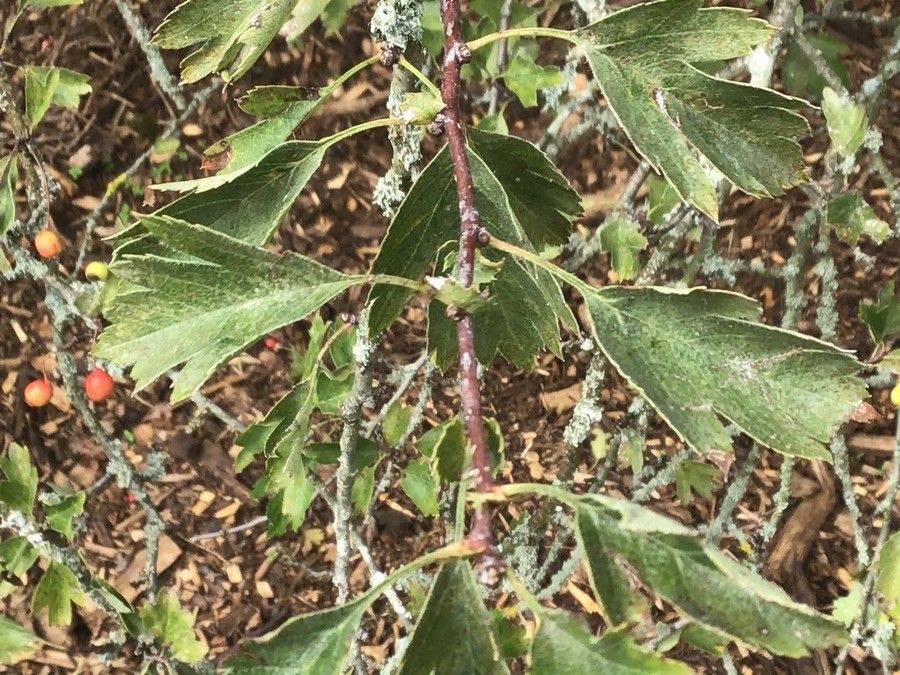
Oh, the Hawthorn! Crataegus ambigua, or the Siberian White Hawthorn, is such a charming plant. I’ve always admired its delicate white flowers in spring, followed by those lovely red berries that birds adore. If you’re looking for a way to share this beauty or simply expand your own collection, propagating it yourself is incredibly rewarding. It gives you a real sense of accomplishment, seeing a tiny cutting transform into a new, thriving plant.
Now, about beginners. Crataegus ambigua can be a touch finicky, so it’s not the absolute easiest plant to start with. But please, don’t let that deter you! With a little patience and the right approach, you’ll be well on your way to success.
The Best Time to Start
For Crataegus ambigua, I find the late spring to early summer, when the plant is actively growing, is the absolute sweet spot for taking cuttings. You want to capture that vigorous new growth that’s full of life and energy. This is when the stems are still somewhat pliable but have started to mature a bit. Alternatively, you might have some luck with hardwood cuttings in the late fall or early winter, after the leaves have dropped.
Supplies You’ll Need
Here’s what you’ll want to have on hand:
- Sharp, sterilized pruning shears or a sharp knife
- A good quality seed starting mix – something light and well-draining. I often mix equal parts perlite and peat moss, or use a commercial seed starting blend.
- Rooting hormone (powder or gel) – this is really helpful for encouraging root development.
- Small pots or trays with drainage holes.
- A plastic bag or propagation dome to create a humid environment.
- A spray bottle filled with clean water.
- Optional: A heating mat – this can significantly speed up rooting.
Propagation Methods
Let’s dive into how we can get these beauties to take root.
Stem Cuttings (The Most Common Approach)
This is my go-to method for Crataegus ambigua.
- Select Your Cuttings: Look for healthy, current-season’s growth. You want pieces that are about 4-6 inches long. They should be somewhat flexible, not woody and brittle, but also not too soft and leafy. Trim off any flower buds.
- Prepare the Cuttings: Using your sterilized shears, make a clean cut just below a leaf node (where a leaf attaches to the stem). Remove the lower leaves, leaving just a few at the top. This prevents them from rotting in the soil.
- Apply Rooting Hormone: Dip the cut end of the stem into your rooting hormone, making sure to coat about an inch. Tap off any excess.
- Plant Your Cuttings: Fill your small pots with the moist seed starting mix. Make a small hole with a pencil or your finger and carefully insert the prepared cutting. Gently firm the soil around it. You can fit several cuttings in one pot, as long as they aren’t touching each other.
- Create Humidity: Water the soil lightly from the top. Then, place the pot inside a plastic bag or cover it with a propagation dome. This traps moisture and creates that essential humid environment. Make sure the leaves aren’t touching the plastic! If they do, prop the bag up with a few small stakes.
Water Propagation (A More Visual Method)
While I tend to favor soil for Crataegus, water propagation can be rewarding to watch.
- Prepare Cuttings: Follow steps 1 and 2 from the stem cutting method.
- Place in Water: Put the cuttings in a clear glass or jar filled with clean water. Make sure that the leaf nodes where you removed the leaves are submerged, but crucially, don’t let the remaining leaves sit in the water. This can lead to rot.
- Change Water Regularly: Change the water every few days to keep it fresh and oxygenated.
- Find a Suitable Spot: Place the jar in a bright spot, but out of direct sunlight.
The “Secret Sauce” (Pro Tips)
Here are a couple of tricks I’ve learned over the years that can really make a difference:
- Bottom Heat is Your Friend: If you’re using stem cuttings, placing your pots on a heating mat set to a low temperature (around 70-75°F or 21-24°C) can dramatically speed up root formation. The warmth encourages the plant to send down roots while the top remains dormant or slowly grows.
- Don’t Rush the Transplant: Even when roots are visible in water, I still prefer to let them develop a bit more before potting them up. Wait until you see a decent root system, at least an inch or two long. For soil cuttings, you’ll need to gently tug on the plant. Resistance means roots are forming!
Aftercare & Troubleshooting
Once you see signs of rooting – new leaf growth on cuttings in soil, or a good root system in water – it’s time for a little extra care.
- For Soil Cuttings: Gradually acclimate them to the outside air by opening the plastic bag a little bit each day for a week or so before removing it completely. Continue to keep the soil consistently moist but not waterlogged. Once they’re well-established, you can transplant them into larger pots.
- For Water Cuttings: Carefully transplant them into pots filled with your seedling mix. Water them in gently and keep them in a humid environment for a few days, just as you would with soil cuttings.
- Watch for Rot: The most common issue you’ll encounter is rot. If your cuttings turn black and mushy, it’s usually a sign of too much moisture and not enough air circulation, or they’re simply not taking. Discard any obviously rotted cuttings.
Happy Rooting!
Propagating plants like Crataegus ambigua is a journey. Some cuttings will take, and some won’t. That’s just part of the gardening dance! Don’t get discouraged if your first few attempts aren’t a runaway success. Keep experimenting, observing, and enjoying the process. You’ll soon be surrounded by your own little Hawthorns, a testament to your patience and skill. Happy gardening!
Resource: