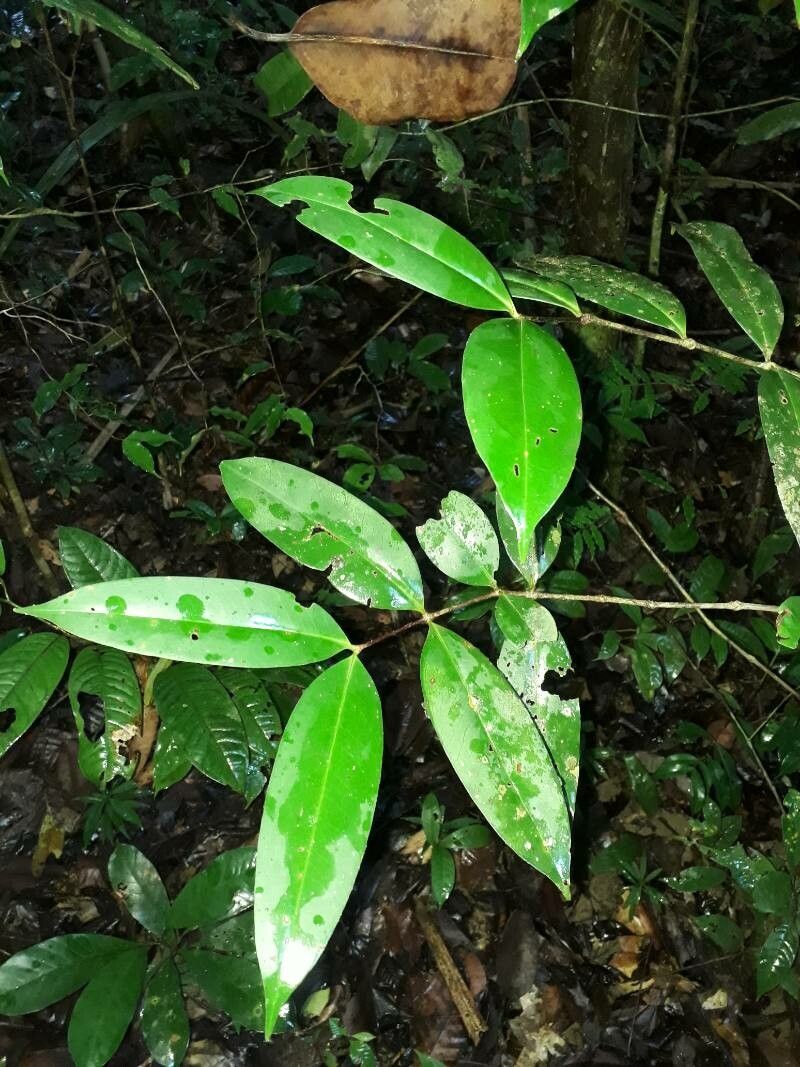
Hello, fellow garden enthusiasts! Today, I want to chat about a truly special plant that’s captured my heart over the years: Mouriri huberi. If you’re a fan of unique foliage and a touch of the exotic, you’re going to love this one. Its glossy, dark green leaves have a lovely subtle shimmer, and when it does grace us with its flowers (often small and delicate), they’re quite a treat.
Now, I won’t lie to you. Mouriri huberi isn’t the absolute easiest plant for a complete beginner to propagate. It can be a little finicky. But that’s exactly what makes it so rewarding when you get it right! Don’t be discouraged, though. With a little patience and the right approach, you can definitely be successful. Think of it as a fun challenge for your green thumb!
The Best Time to Start
For Mouriri huberi, I find propagation is most successful when I’m working with active, but not overly stressed, growth. That usually means late spring to early summer. This is when the plant is naturally putting on new energy, and the cuttings are more likely to have the vigor they need to root. Avoid trying to take cuttings from a plant that’s just been repotted, is stressed from heat, or is in a dormant period.
Supplies You’ll Need
Before we dive in, let’s make sure you have everything ready. This way, when your inspiration strikes, you’re good to go!
- Clean, sharp pruning shears or a sharp knife. Sterilize them with rubbing alcohol before you start!
- Rooting hormone (a powder or gel). This is especially helpful for Mouriri huberi.
- A good quality seed starting mix or a mix of perlite and coco coir (about a 50/50 ratio). I prefer something that drains exceptionally well.
- Small pots or propagation trays with drainage holes.
- A clear plastic bag or a propagator with a lid. This will create a humid environment.
- A spray bottle filled with filtered water.
Propagation Methods: Taking Stem Cuttings
This is my go-to method for Mouriri huberi and generally yields the best results for me.
- Select Your Cuttings: Look for healthy, semi-hardwood stems. These are stems that are neither brand new and floppy, nor old and woody. You want stems that snap cleanly when bent, rather than just bending. Aim for cuttings that are about 4-6 inches long.
- Make the Cut: Using your sterilized shears or knife, make a clean cut just below a leaf node. A leaf node is where a leaf attaches to the stem. This is where new root growth is most likely to emerge.
- Prepare the Cutting: Gently remove the lower leaves from the cutting, leaving just 2-4 leaves at the top. If the top leaves are very large, I sometimes cut them in half horizontally. This reduces water loss while still allowing for photosynthesis.
- Apply Rooting Hormone: Dip the cut end of the stem into your rooting hormone, tapping off any excess.
- Plant Your Cuttings: Fill your pots or trays with your well-draining propagation mix. Make a small hole in the center of the mix with your finger or a pencil. Gently insert the hormone-coated end of the cutting into the hole. Firm the mix gently around the base of the cutting.
- Create Humidity: Water the mix thoroughly until water drains from the bottom. Then, place the pots inside a clear plastic bag or cover your propagator. Ensure the leaves do not touch the sides of the plastic bag.
The “Secret Sauce” (Pro Tips)
Here are a few things I’ve learned over the years that really can give you an edge with Mouriri huberi:
- Bottom Heat is Your Friend: Mouriri huberi absolutely loves a bit of warmth from below. Placing your pots on a gentle heat mat can significantly speed up root development. Aim for a consistent temperature of around 70-75°F (21-24°C).
- The “No Drowning” Rule: While humidity is crucial, you don’t want the leaves sitting in stagnant water within your humidity dome. If you see condensation pooling heavily, wipe down the inside of the bag or propagator with a clean cloth. And when you water, water the soil, not the leaves of the cutting.
- Patience, Young Grasshopper: This is the biggest secret! Mouriri huberi can be a slow starter. Don’t be tempted to yank them out of the soil too early to check for roots. Sometimes it can take several weeks, or even a couple of months, for you to see signs of success.
Aftercare & Troubleshooting
Once you start to see new leaf growth on your cuttings, that’s a great sign that roots are forming!
- Gradual Acclimation: Gradually start to open up the plastic bag or propagator over a week or so. This helps the new plant adjust to normal humidity levels.
- Consistent Moisture: Continue to keep the soil consistently moist, but not waterlogged. Water when the top layer of soil feels slightly dry to the touch.
- First Potting: Once your cuttings have established a good root system (you might see roots peeking out of the drainage holes), you can pot them up into their own small pots using a good quality potting mix.
Now, what happens if things don’t go as planned? The most common issue you’ll encounter is rot. This usually happens if the cuttings are kept too wet, or if there isn’t enough air circulation. If a cutting starts to look black or mushy, unfortunately, it’s usually a goner. Don’t beat yourself up! Just try to identify what might have gone wrong (too much water? not enough light?) and learn from it.
A Little Encouragement
Propagating Mouriri huberi is a journey, and like any good gardening adventure, it comes with its ups and downs. The satisfaction of seeing those tiny roots emerge and then growing into a new plant is truly immense. Be patient, observe your cuttings, and most importantly, enjoy the process of bringing more green into your life. Happy propagating!
Resource:
https://identify.plantnet.org/k-world-flora/species/Mouriri%20huberi%20Cogn./data