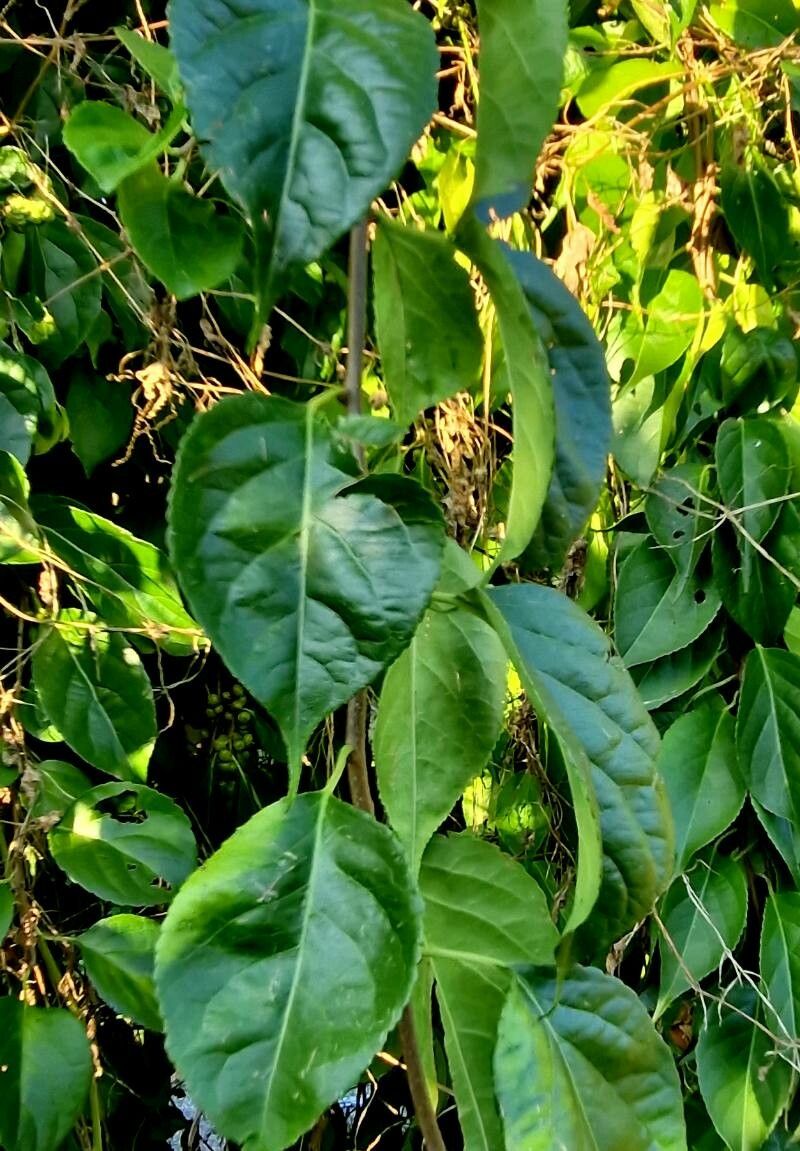
Hey there, fellow garden enthusiasts! Let’s chat about a real charmer in the plant world: Celastrus scandens, or what we affectionately call our native Bittersweet. If you’ve ever been captivated by its vibrant fall color and the way its berries add such cheerful pops to the landscape, you’re in for a treat. Growing your own from scratch is incredibly satisfying. And the good news for beginners? Propagating Bittersweet is definitely on the easier side, which makes it a wonderful plant to start your propagation journey with.
The Best Time to Start
Honestly, the sweet spot for getting cuttings from your Celastrus scandens is during the late spring or early summer, right around when the plant is actively growing. This is when the stems are nice and pliable, bursting with energy, and have the best chance of successfully rooting. Waiting until after it’s finished flowering, but before the plant really starts pushing out tons of fruit, also works beautifully.
Supplies You’ll Need
Gathering your tools makes the process so much smoother. Here’s what I always have on hand:
- Sharp, clean pruning shears or a sharp knife: For making clean cuts.
- Rooting hormone (powder or gel): This is a game-changer for encouraging root development.
- Well-draining potting mix: A good blend of peat moss or coco coir, perlite, and a bit of compost works wonders. You can also use a sterile seed-starting mix.
- Small pots or propagation trays: About 4-6 inches deep are ideal.
- Plastic bags or a clear plastic dome: To create a humid environment.
- Labels and a marker: For keeping track of what you’ve planted.
- Optional: Heat mat: For bottom warmth, which can speed things up.
Propagation Methods
I find a couple of methods work exceptionally well for Celastrus scandens.
Stem Cuttings
This is my go-to method. It’s straightforward and yields great results.
- Take your cuttings: Choose a healthy, non-flowering stem from your established plant. Look for new growth that is semi-hardwood – it should snap when bent rather than just flopping over. Aim for cuttings that are about 6-8 inches long.
- Prepare the cuttings: Using your clean shears, make a clean cut just below a leaf node (where a leaf attaches to the stem). Remove the leaves from the bottom two-thirds of the cutting. You can trim any larger leaves in half to reduce water loss.
- Apply rooting hormone: Dip the cut end of each cutting into your rooting hormone, tapping off any excess. This is like giving them a little boost to get started.
- Plant the cuttings: Make small holes in your prepared potting mix with a pencil or your finger. Insert the cuttings, ensuring at least two leaf nodes are buried in the soil. Gently firm the soil around them.
- Water and cover: Water the soil thoroughly but gently. Then, cover the pots or trays with a plastic bag or a clear dome to create a humid greenhouse effect. This is crucial!
Water Propagation (for a touch of novelty)
While cuttings in soil are my primary choice, I sometimes experiment with water propagation for a visual treat.
- Prepare the cuttings: Follow steps 1 and 2 above for preparing your stem cuttings.
- Place in water: Remove the leaves from the bottom section, just like you would for soil. Then, place the cuttings in a container of clean water, making sure the leaf nodes are submerged. Do NOT let any leaves sit in the water.
- Change the water regularly: It’s important to change the water every couple of days to prevent bacterial growth.
- Wait for roots: You’ll start to see tiny white roots emerge from the nodes. Once the roots are about an inch long, you can carefully transplant them into potting mix as described in the section below.
The “Secret Sauce” (Pro Tips)
After years of getting my hands dirty, I’ve picked up a few little tricks that seem to make a difference.
- “Wound” the stem: Before dipping the cutting in rooting hormone, I sometimes make a shallow vertical slice, about half an inch long, on one side of the bottom of the stem. This exposes more of the stem tissue, giving the hormone more surface area to work on and often encouraging faster root formation.
- Bottom heat is your friend: If you have one, placing your pots on a heated mat can significantly speed up the rooting process. It mimics the warmth of spring soil and gives those little roots a gentle nudge.
- Don’t overcrowd: Give your cuttings a bit of breathing room in their pots. Overcrowding can lead to disease and competition for resources.
Aftercare & Troubleshooting
Once your cuttings have rooted – you’ll see new leaf growth or feel some resistance when you gently tug on them – it’s time to transition your babies!
- Acclimatize: If you used a plastic bag or dome, gradually remove it over a week to let the new plants adjust to lower humidity.
- Watering: Water them regularly, but avoid letting them sit in soggy soil. Allow the top inch of soil to dry out between waterings.
- Light: Place them in a bright location, but out of direct, harsh sunlight for the first few weeks.
- Repotting: Once they’ve developed a good root system and are growing steadily, you can transplant them into slightly larger pots.
The most common sign of failure is rot. If your cuttings turn black and mushy, it’s usually a sign of too much moisture and not enough airflow. If they simply wither and dry up, they might not have received enough humidity or the propagation hormone didn’t take. Don’t be discouraged if some don’t make it; it’s part of nature’s way, and every gardener has a few failures along the way!
A Encouraging Closing
Propagating Celastrus scandens is a wonderfully rewarding experience. It’s a chance to see life spring from a single stem, and soon you’ll have your very own cheerful Bittersweet vines to share or plant in your garden. Be patient, enjoy the process, and celebrate each tiny new leaf! Happy gardening!
Resource:
https://identify.plantnet.org/k-world-flora/species/Celastrus%20scandens%20L./data