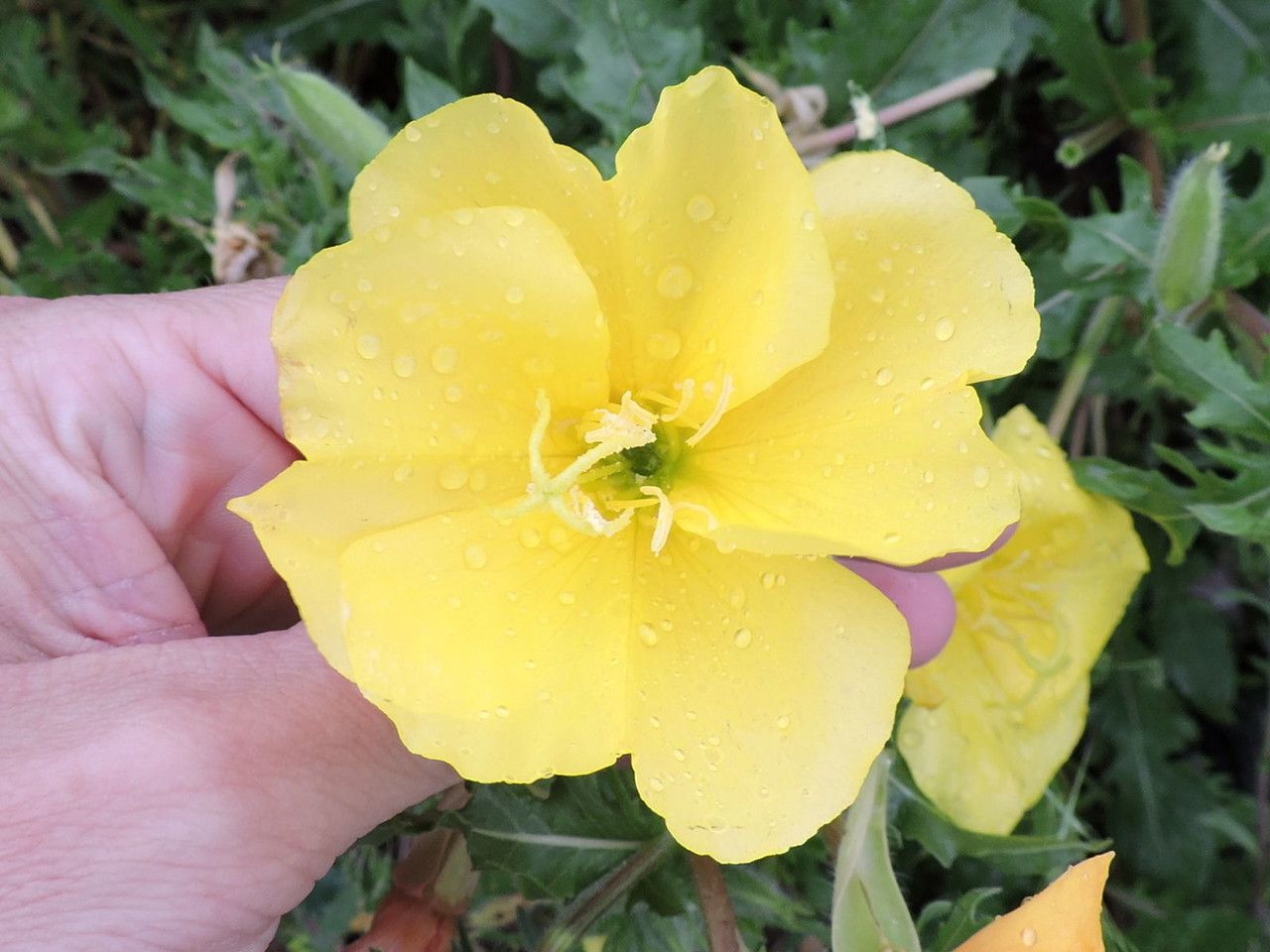
Hello there, fellow plant lovers! I’m so glad you’ve stopped by today. We’re going to talk about one of my absolute favorites: Oenothera grandis, or the grand evening primrose.
Bringing the Grandeur Home: Propagating Oenothera grandis
There’s something truly magical about seeing those large, delicate yellow blossoms unfurl, usually in the soft glow of late afternoon. Oenothera grandis brings a touch of elegance and a lovely fragrance to any garden. And the best part? It’s surprisingly easy to share this beauty with friends, or simply to fill your own spaces with more of these cheerful plants. If you’re new to gardening, you’ll be delighted to know that propagating evening primrose is a fantastic starting point.
The Golden Window: When to Get Started
For the best luck, I always aim to take cuttings in late spring or early summer, just as the plant is really hitting its stride. This is when the stems are vigorous and have plenty of energy to put into rooting. You can also try it in early autumn, but watch out for cooler temperatures that might slow things down.
Your Propagator’s Toolkit
Gathering your supplies beforehand makes the whole process smoother. Here’s what you’ll want:
- Sharp Pruning Shears or a Knife: Clean cuts are essential to prevent disease.
- Rooting Hormone (Optional but Recommended): A little dip can significantly boost your success rate.
- Seed Starting Mix or a Well-Draining Potting Mix: I like a mix with perlite or coarse sand added for good drainage.
- Small Pots or Trays: Clean pots are a must!
- Plastic Bags or a Propagation Dome: To create a humid environment.
- Watering Can or Spray Bottle: For gentle hydration.
- Labels: So you don’t forget what you planted where!
Spreading the Love: Propagation Methods
Oenothera grandis is a trooper, and it’s pretty forgiving. Here are my go-to ways to make more of them.
Stem Cuttings: The Most Reliable Way
This is my favorite method for evening primrose.
- Select Healthy Stems: Look for non-flowering stems that are about 4-6 inches long. They should be firm, but not woody yet.
- Make the Cut: Using your sharp shears, make a clean cut just below a leaf node (where a leaf attaches to the stem). Remove the lower leaves, leaving just a few at the top.
- Apply Rooting Hormone (If Using): You only need a little! Dip the cut end into the rooting hormone powder or gel.
- Plant Them Up: Stick the prepared cuttings into small pots filled with your moistened seed starting mix. Make a small hole with a pencil or your finger to avoid rubbing off the rooting hormone. Gently firm the soil around the base of each cutting.
- Create Humidity: Cover the pots with a plastic bag or a propagation dome to keep the humidity high. You can prop up the bag with a stick so it doesn’t touch the leaves.
- Find a Warm Spot: Place the pots in a bright location out of direct sunlight. They love warmth, so a sunny windowsill is usually perfect.
Division: A Natural Offset
If your evening primrose is already a nice, established clump, you can divide it.
- Dig Carefully: In early spring, before new growth truly takes off, gently dig around the edge of the clump.
- Lift and Separate: Lift the entire plant out of the ground. You should be able to gently pull or tease apart the root ball into smaller sections. Ensure each section has some healthy roots and a few shoots.
- Replant Immediately: Plant the divisions into their new homes, watering them in well.
The “Secret Sauce”: My Insider Tips
Over the years, I’ve picked up a few tricks that seem to make a big difference:
- Bottom Heat is Your Friend: If you have a seedling mat or a warm spot available, placing your pots on gentle bottom heat can really encourage those roots to form faster. It mimics the warmth of the soil in the spring.
- Don’t Overwater, But Don’t Let Them Dry Out: This is a delicate balance. Keep the soil consistently moist, like a wrung-out sponge, but never soggy. Soggy soil is the fastest way to invite rot. I usually give mine a gentle misting daily until I see signs of new growth.
- Watch for the Pull Test: After a few weeks, you can gently tug on a cutting. If you feel resistance, it means roots are forming! If it comes out easily, give it more time.
New Beginnings: Aftercare and What to Watch For
Once you see new leaves emerging from your cuttings, that’s a surefire sign that roots have developed! This is a happy moment.
- Acclimatize Gradually: If you’ve used a plastic bag, gradually remove it over a few days to let your new plants adjust to the lower humidity.
- Potting Up: Once your new plants have a good root system and are looking strong, you can carefully transplant them into slightly larger pots with good potting soil.
- Watering: Continue to keep the soil evenly moist as they grow.
- Common Issues: The biggest thing to watch for is rot. If your cuttings look mushy or black at the base, it’s usually a sign of too much moisture or poor drainage. If you see this, try to remove the affected parts, let the soil dry out a bit, and ensure good airflow.
Keep Growing!
Propagating Oenothera grandis is such a rewarding experience. It’s a wonderful way to connect with nature’s magic and to share the joy of gardening. Be patient with your little cuttings. Sometimes they take their time, but with a little care and encouragement, you’ll soon have a whole garden full of these beautiful evening primroses. Happy growing!
Resource:
https://identify.plantnet.org/k-world-flora/species/Oenothera%20grandis%20Smyth/data