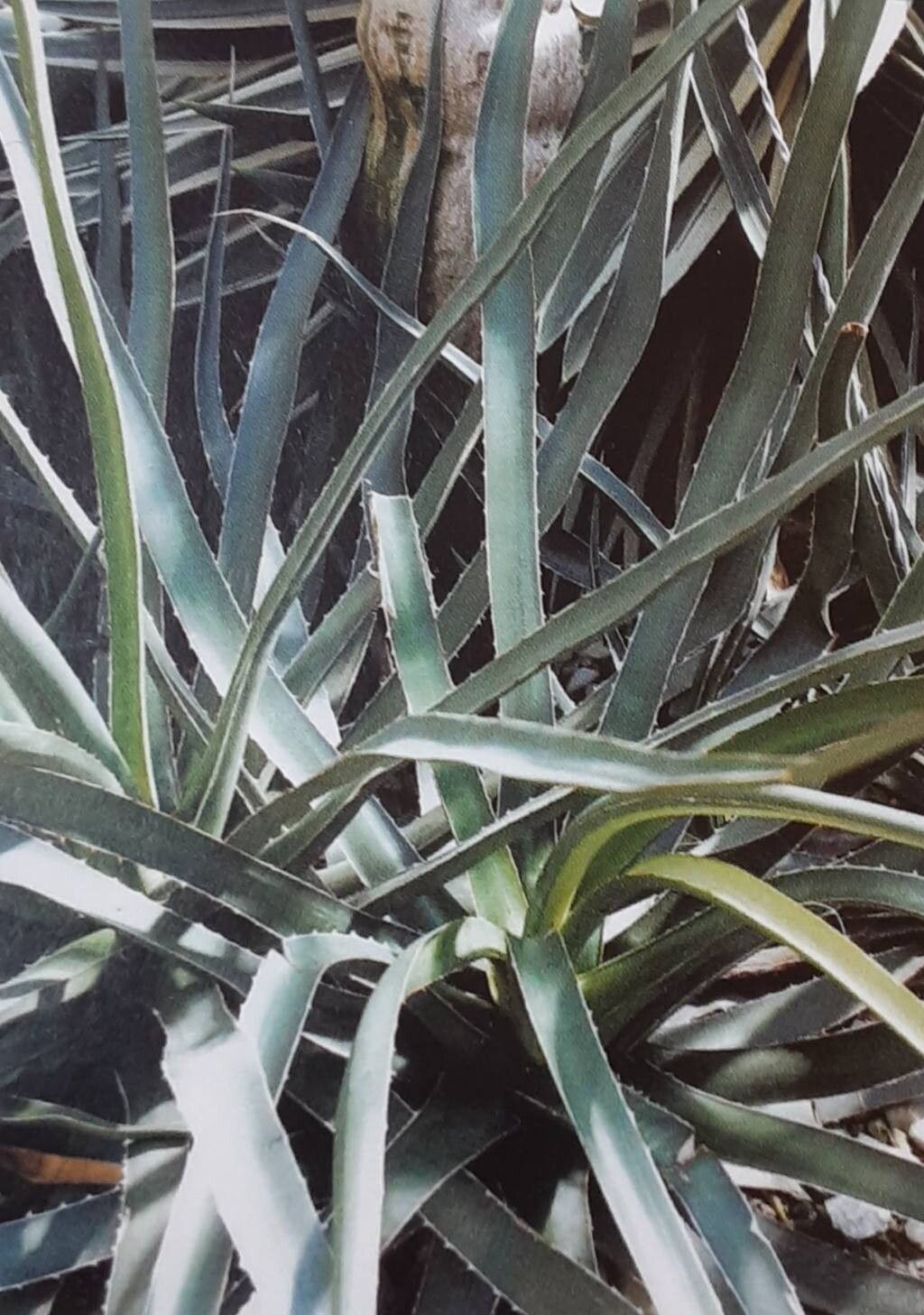
Hello there, fellow plant lovers! I’m so glad you’ve stopped by. Today, we’re diving into the wonderful world of propagating Agave difformis. If you’re captivated by its striking, architectural form and unique leaf structure, you’re not alone. Growing more of these beauties from your existing plants is an incredibly rewarding endeavor, and I’m here to guide you every step of the way. Don’t worry, while agaves can sometimes feel a bit intimidating, propagating Agave difformis is a journey that’s quite accessible, even for those just starting out.
The Best Time to Start
For the highest success rates with Agave difformis, aim to propagate during its active growth period. This generally means late spring through early fall. You’ll want to work with a mature, healthy plant that’s showing vigorous new growth. This ensures your cuttings or pups have the best chance of developing strong roots and thriving.
Supplies You’ll Need
Here’s what you should gather before we begin:
- Sharp, clean pruning shears or a sharp knife: For making clean cuts.
- Well-draining potting mix: A cactus and succulent mix is perfect. You can also create your own by mixing equal parts potting soil, perlite, and coarse sand.
- Rooting hormone powder or gel (optional but recommended): This can give your cuttings a helpful boost.
- Small pots or rooting trays: Make sure they have drainage holes.
- Gloves: Agave leaves can be sharp!
- A clean workspace: This helps prevent disease.
Propagation Methods
Agave difformis is most commonly propagated through division and stem cuttings (though the latter is less frequent as it’s not a traditional “stem” plant in the same way). Most often, you’ll be working with the offsets, or “pups,” that naturally emerge from the base of the mother plant.
Dividing Offsets (Pupping)
This is my favorite and usually the easiest method for Agave difformis.
- Gently remove the mother plant from its pot. If it’s still in the ground, carefully dig around it.
- Locate the offsets (pups) growing at the base. They’ll look like smaller versions of the main plant.
- Using your sharp, clean tool, carefully separate a pup from the mother plant. Try to get as much of its base, along with any developing roots, as possible. If the pup is tightly attached, you might need to cut through the connection.
- Allow the cut end to callus over. This is crucial to prevent rot. Place the separated pup in a dry, well-ventilated spot for a few days to a week, until the cut surface is dry and hardened.
- Once callused, plant the pup in its own pot filled with your well-draining mix. Don’t water it immediately. Wait for a week or two to allow any disturbed roots to heal and settle.
Stem Cuttings (Less Common for This Agave)
While Agave difformis doesn’t produce prominent stems for cuttings in the typical sense, you might encounter a situation where a leaf or a base section has detached. The process is similar to pups in terms of callusing.
- Take your cutting: This would usually be a basal leaf or a section of the plant base.
- Let it callus: Just like with pups, ensure the cut end dries completely for several days.
- Pot it up: Plant the callused cutting in well-draining soil. Again, hold off on watering.
The “Secret Sauce” (Pro Tips)
Here are a couple of things I’ve learned over the years that can make a big difference:
- Don’t rush the watering: This is probably the single most important tip. Overwatering is the fastest way to kill a new agave cutting or pup. Wait patiently for the roots to establish before you begin a very light watering schedule.
- Consider bottom heat: If you’re propagating in a cooler environment, placing your pots on a gentle heating mat can really speed up root development. Agaves love warmth to kickstart their growth. It’s like a little underground spa!
Aftercare & Troubleshooting
Once your propagated Agave difformis has been planted and you’ve waited a week or two, you can start watering very sparingly. Water thoroughly but infrequently, allowing the soil to dry out completely between waterings. You’ll know roots are forming when you gently tug on the plant and feel resistance.
The main issue you’ll face is rot. If the leaves start to turn mushy and yellow, or if the base of the plant looks dark and soft, it’s likely rot. This is usually due to too much moisture and not enough drainage. Try to remove the affected parts if possible and let the remaining healthy tissue callus. If the whole thing is mushy, unfortunately, it’s time to try again. Keep an eye out for shriveling leaves on a pup that’s failing to root; this can also indicate it’s not getting enough moisture or it simply hasn’t established roots yet.
Happy Propagating!
Taking cuttings or dividing pups can feel a little nerve-wracking at first, but trust your instincts and embrace the learning process. Each new plant you nurture from your own collection is a little victory and a testament to your green thumb. Be patient, offer a little encouragement, and before you know it, you’ll have a whole collection of these gorgeous agaves. Happy gardening!
Resource:
https://identify.plantnet.org/k-world-flora/species/Agave%20difformis%20A.Berger/data