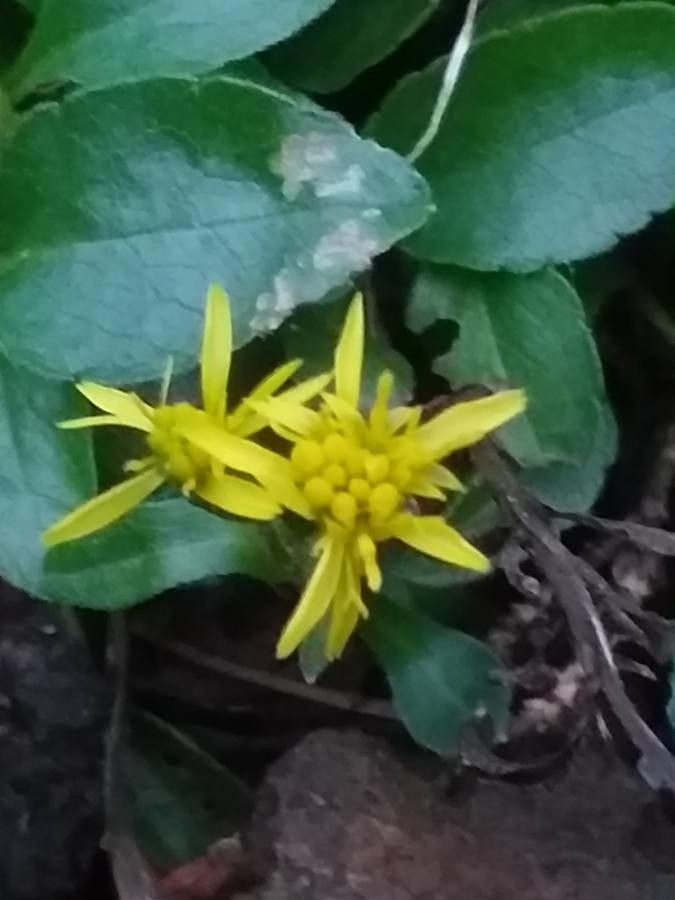
Hey there, fellow plant lovers! Let’s chat about a little gem that often gets overlooked in our gardens: Solidago minutissima, or as I affectionately call it, “Little Goldenrod.” If you love sunshine-yellow spikes that bring a touch of late-season cheer, you’re in for a treat. Propagating this charming native is a wonderful way to expand your collection or share a bit of that golden joy with friends. And guess what? It’s a pretty beginner-friendly plant to multiply, which is always a plus!
The Best Time to Start
I find the absolute sweet spot for propagating Solidago minutissima is in late spring to early summer. This is when the plant is actively growing, full of vigor, and ready to put energy into making new roots. Waiting until after it’s established a good bit of foliage but before it’s thinking about flowering is key. You could also consider dividing established clumps in early spring as soon as the soil can be worked – that’s a fantastic, foolproof method for this plant too!
Supplies You’ll Need
To get your Solidago propagation party started, gather these handy bits and bobs:
- Sharp pruning shears or a clean knife: For making nice, clean cuts.
- Small pots or trays: With good drainage holes are a must.
- Seed starting mix or a blend of perlite and peat moss: Something light and airy that won’t hold too much water.
- Rooting hormone (optional but recommended): A little boost for those cuttings.
- Plastic bags or a propagation dome: To create a humid environment.
- Watering can with a fine rose or spray bottle: For gentle watering.
- Labels: To keep track of your precious new plants!
Propagation Methods
Let’s dive into the how-to! For Solidago minutissima, I usually find two methods work like a charm.
1. Stem Cuttings: A Classic Approach
This is my go-to for increasing my stock.
- Take your cuttings: In late spring or early summer, select healthy, non-flowering stems. Using your clean shears, cut a piece about 4-6 inches long. Try to get a section that has both leafy top growth and some slightly hardened stem lower down.
- Prepare the cuttings: Gently remove the lower leaves from your stem cutting, leaving just a few at the very top. This helps prevent rot when the cutting is in the soil.
- Dip in rooting hormone: If you’re using rooting hormone, dip the cut end into the powder or gel. Tap off any excess.
- Plant them up: Fill your small pots with your chosen potting mix. Make a small hole with a pencil or your finger. Insert the cutting, ensuring the bottom nodes (where you removed the leaves) are buried in the soil. Gently firm the soil around the stem.
- Create humidity: Water the soil gently. Then, cover the pot with a plastic bag or place it under a propagation dome. Pop a couple of skewers or small sticks inside to keep the plastic from touching the leaves. Place the pots in a bright spot, but out of direct sun.
2. Division: The Easiest Way
If you have an existing clump, this is so straightforward!
- Dig up the plant: In early spring, carefully dig up your established Solidago minutissima plant.
- Separate the divisions: Gently shake away excess soil. You’ll see that the plant naturally forms clumps or rosettes. Use your hands or a clean knife to carefully pull or cut the clump apart into smaller sections. Each division should have a good amount of roots and some healthy new shoots.
- Replant immediately: These divisions don’t like to be left out of the ground. Plant them back into their new homes, spacing them appropriately, and water them in well.
The “Secret Sauce” (Pro Tips)
Here are a couple of things I’ve learned over the years that can really boost your success:
- Don’t let the leaves touch the water! If you’re doing water propagation (which can work for this plant, but I find soil more reliable), make sure the leaves are well above the water line. Any submerged foliage is just inviting rot.
- Bottom heat is your friend. If you have a heat mat designed for starting seeds or cuttings, placing your pots on it can significantly speed up root development. It mimics the warmth of spring soil and gives those little root cells a good kick-start.
Aftercare & Troubleshooting
Once your cuttings have rooted (you’ll often see new leaf growth or feel a bit of resistance when you gently tug the stem), it’s time for a little extra care. Gradually acclimatize them to normal humidity by opening the plastic bag or dome a little more each day. If you’re dividing, just keep them well-watered as they establish.
The most common sign of trouble is rot. If your cuttings look mushy, black, or slimy, they’ve likely succumbed to too much moisture or poor air circulation. This is why using a well-draining mix and not overwatering is so crucial. Sometimes, a cutting just doesn’t take – don’t get discouraged! Gardening is often a numbers game.
Happy Propagating!
Bringing new life into your garden, or sharing it with others, is one of the most rewarding parts of being a gardener. Solidago minutissima is a resilient little plant, and I’m confident you’ll have success with it. Be patient with your new babies, give them a little loving care, and before you know it, you’ll have a small army of goldenrod to enjoy! Happy planting!
Resource:
https://identify.plantnet.org/k-world-flora/species/Solidago%20minutissima%20(Makino)%20Kitam./data