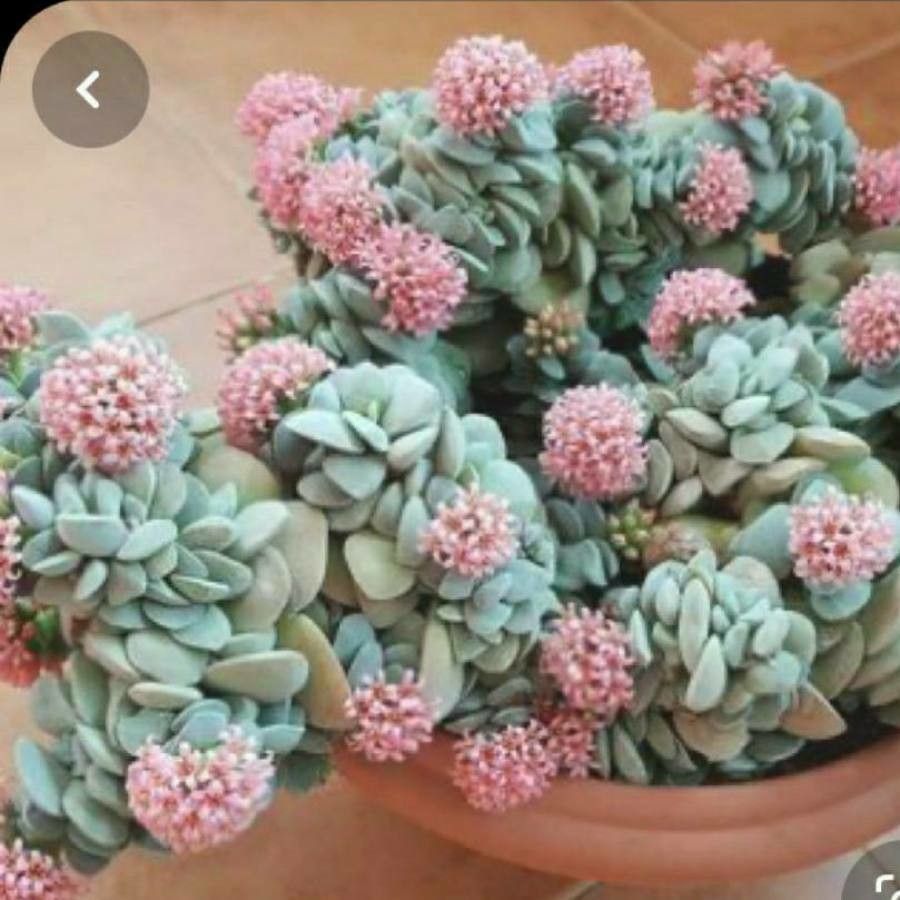
Hello fellow garden enthusiasts! It’s so lovely to have you here in my little corner of the internet. Today, we’re diving into the wonderful world of Crassula namaquensis, sometimes lovingly called the “Namaqualand Crassula.” If you’re looking for a succulent that’s a bit unusual, with those charming, fuzzy leaves, you’re in for a treat. Propagating this gem is incredibly rewarding, and I’m happy to say it’s quite beginner-friendly, which is always a bonus! Seeing those tiny roots emerge and a new little plant take hold is one of those gardening joys that never gets old.
The Best Time to Start
For the highest success rate with Crassula namaquensis, I always recommend starting in its active growing season. For most of us, this means the late spring through early summer. The plant is buzzing with energy then, and cuttings will be much more inclined to root quickly and robustly. You can certainly try it at other times, but spring and early summer are your golden ticket.
Supplies You’ll Need
Before we get our hands dirty, let’s gather our tools:
- Sharp Pruning Shears or a Clean Knife: For making clean cuts.
- Well-Draining Potting Mix: A succulent or cactus mix is ideal. You can also mix in perlite or pumice for extra aeration.
- Small Pots or Trays: Whatever you prefer for housing your cuttings.
- Optional: Rooting Hormone: While not strictly necessary for Crassula namaquensis, it can give your cuttings an extra boost.
- Optional: Spray Bottle: For lightly misting.
Propagation Methods
Crassula namaquensis is a pretty obliging plant, and propagating it is straightforward. Here are my favorite methods:
1. Stem Cuttings: My Go-To Method
This is hands-down the easiest and most reliable way.
- Step 1: Take Your Cuttings. Using your clean shears or knife, select a healthy stem from your mature plant. Aim for a piece that’s at least 3-4 inches long. Make a clean cut just above a leaf node. You can even take smaller tip cuttings if you have them.
- Step 2: Let Them Callus. This is a crucial step for succulents! Place your cuttings in a dry, shaded spot for 2-5 days. You’ll see the cut end drying and forming a protective “callus.” This prevents rot when you plant them.
- Step 3: Plant Your Cuttings. Once callused, gently insert the cut end of each stem into your prepared, dry potting mix. You can plant multiple cuttings in one pot.
- Step 4: Wait for Roots. Resist the urge to water immediately! Wait about a week to 10 days before giving them their first light watering. You can gently tug on a cutting after a few weeks; if there’s resistance, you’ve got roots!
2. Leaf Cuttings (Less Common, but Possible!)
While stem cuttings are my preference, you can sometimes get a new plant from a single leaf, though it’s a bit more of a gamble.
- Step 1: Gently Remove Leaves. Carefully twist or cut a healthy leaf from the stem, ensuring you get the entire leaf base.
- Step 2: Callus. Just like stem cuttings, let these leaves callus over for a couple of days.
- Step 3: Lay Them on Soil. Place the callused leaves on top of your dry succulent mix. You don’t need to bury them.
- Step 4: Patience is Key. Over time, tiny plantlets may emerge from the callused end of the leaf. This method takes considerably longer and has a lower success rate than stem cuttings.
The “Secret Sauce” (Pro Tips)
Here are a couple of things I’ve learned over the years that can make a big difference:
- Don’t Rush the Watering: I know it’s tempting, but the most common culprit for failed cuttings is rot, and that often comes from watering too soon. Let that callus do its job, and the plant will signal when it’s ready for moisture.
- Bottom Heat (if you can!): If you’re propagating in a cooler environment or during a slightly cooler time, placing your pots on a gentle heat mat can significantly speed up root development. Think of it as giving your baby plants a cozy warm hug.
Aftercare & Troubleshooting
Once your cuttings have developed roots and you see new growth emerging, it’s time to treat them a bit more like established plants.
- Start Watering Gradually: Begin with light waterings, allowing the soil to dry out completely between sessions. As they grow, you can water them more thoroughly, but always ensure excellent drainage.
- Bright, Indirect Light: Place your new plants in a spot that gets plenty of bright, indirect sunlight. Too much intense sun too soon can be shocking.
- Common Pitfalls:
- Rot: If your cutting turns mushy and black, it’s likely rot. This usually means it was kept too wet or didn’t callus properly. Start again, focusing on those dry periods and callusing.
- Shriveling: If the cutting shrivels and dries up without forming roots, it might be too dry or not getting enough warmth.
And there you have it! Propagating Crassula namaquensis is a delightful journey, and you’ll soon be finding yourself with a small army of these fuzzy little charmers. Just remember to be patient, let nature do its work, and most importantly, enjoy the process. Happy gardening, my friends!
Resource: