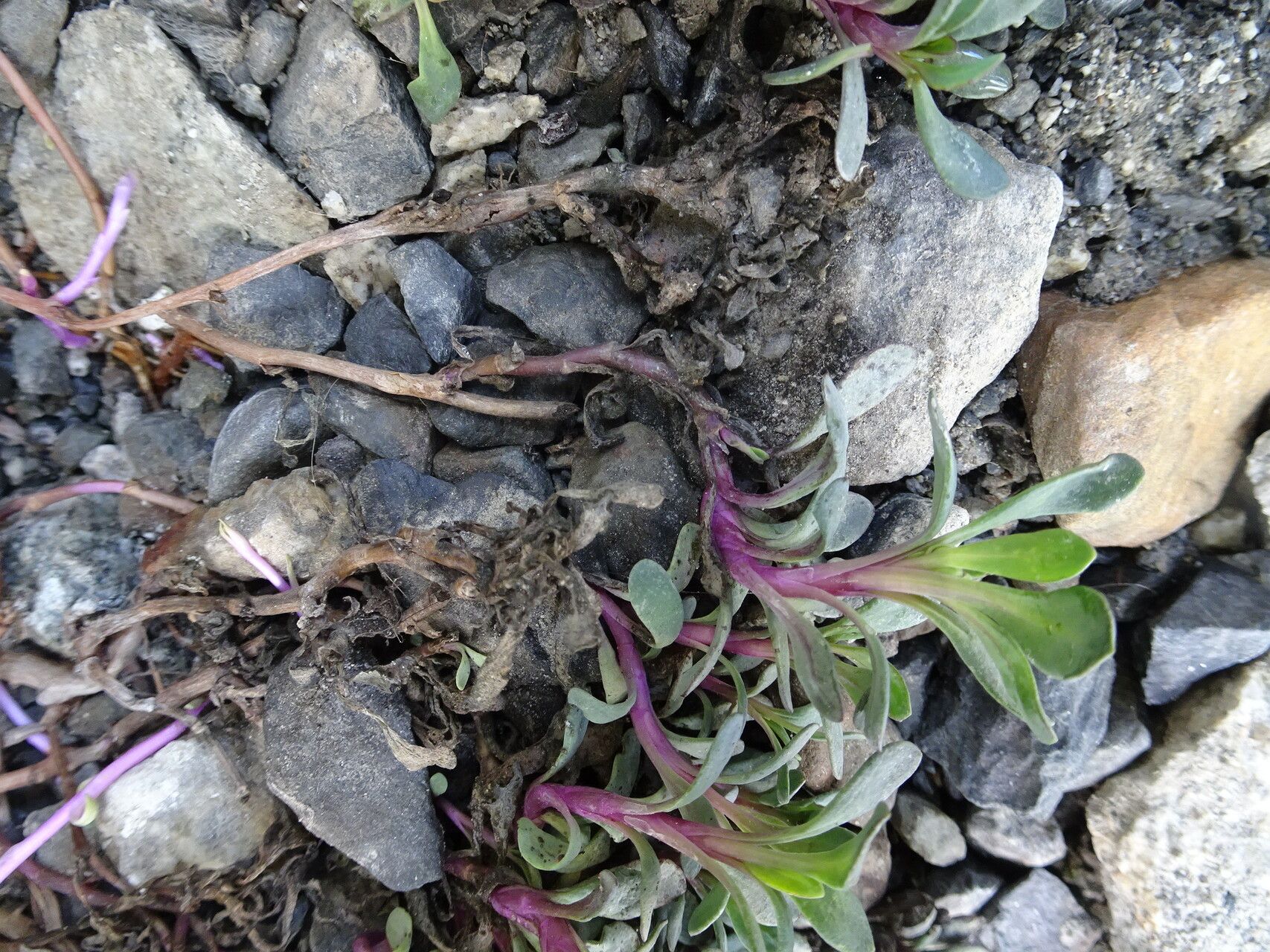
Hello there, fellow plant lovers! It’s so lovely to have you here today. I’m buzzing with excitement to chat about a plant that’s truly captured my heart over the years: Senecio algens. You might know it better by its common name, the String of Tears. Isn’t it just the most darling thing? Its little pea-like leaves, cascading down in delicate chains, bring such a unique texture and visual interest to any space. And the best part? Sharing this beauty with others by propagating it is incredibly rewarding. For beginners? Absolutely! Senecio algens is wonderfully forgiving, making it a fantastic plant to start your propagation journey with.
The Best Time to Start
My personal favorite time to get propagating is during the active growing season. This typically falls in late spring and early summer for most of us. The plant is brimming with energy, and cuttings taken now will have the best chance of developing strong roots quickly. You can also have success in early autumn, but if you’re just starting out, spring is your golden ticket. Keep an eye on your plant; when you see new growth appearing, that’s your cue!
Supplies You’ll Need
Before we get our hands dirty, let’s gather our little toolkit. Think of this as getting ready for a fun craft project!
- Sharp Pruning Shears or Scissors: Cleanliness is key, so a sterilized tool prevents the spread of any nasties.
- Well-Draining Potting Mix: I love a mix specifically formulated for succulents and cacti. You can also make your own by combining potting soil, perlite, and coarse sand in roughly equal parts.
- Small Pots or Trays: Whatever you have on hand will work, just ensure they have drainage holes.
- Rooting Hormone (Optional but helpful): This can give your cuttings a nice boost. You don’t need a lot!
- Spray Bottle: For a gentle spritz of water.
- Patience! This is our most important tool.
Propagation Methods
Now for the fun part! Senecio algens is quite versatile, but my go-to method is stem cuttings.
1. Taking Cuttings:
Gently examine your String of Tears. Look for healthy stems that have formed a good few ‘tears’. Using your sterilized shears, snip off sections that are at least 3-4 inches long. It’s best to take more than you think you’ll need; not every cutting will make it, and that’s perfectly normal!
2. Letting Them Callus:
This is a crucial step for succulent propagation. After taking your cuttings, lay them out on a clean surface in a well-ventilated spot, out of direct sunlight, for 2-5 days. You’ll notice the cut end drying out and forming a protective scab or callus. This prevents rot when you plant them.
3. Planting Your Cuttings:
Once your cuttings have callused, it’s time to plant them. You have a couple of options here for planting:
- In Soil: Lightly dampen your well-draining potting mix. Gently insert the callused end of each cutting about an inch deep into the soil. You can place several cuttings in one pot, leaving a little space between them.
- In Water (with a caveat!): While some people propagate succulents in water, I find it’s a bit riskier with Senecio algens if you’re not careful. If you choose this method, make sure absolutely no part of the leaf or stem touches the water. Place the callused ends just above the water level in a clean jar or glass. Change the water every few days to keep it fresh.
The “Secret Sauce” (Pro Tips)
Here are a couple of things I’ve learned over the years that really make a difference:
- Don’t Water Immediately After Planting in Soil: Resist the urge! Wait for about a week after planting your callused cuttings in soil before giving them their first light watering. This allows any tiny fresh cuts to also begin to callus, further reducing the risk of rot.
- Bottom Heat is Your Friend: If you’re propagating in a cooler environment, consider using a seedling heat mat. Placing your pots on a gentle heat source can significantly speed up root development, mimicking the warmer conditions the plant loves.
Aftercare & Troubleshooting
Once your cuttings have roots (this can take anywhere from a few weeks to a couple of months), you can start treating them more like mature plants.
Watering: Water sparingly. Allow the soil to dry out completely between waterings. Overwatering is the most common killer of baby succulents.
Light: Place them in a bright spot, but avoid harsh, direct midday sun initially, as their new roots are still tender and can burn. Gradually introduce them to brighter conditions.
What if things go wrong? The most common issue is rot. If you see a cutting turning mushy, brown, or black and smelling funky, it’s likely rotted. Unfortunately, there’s no coming back from that. Remove the affected cutting immediately to prevent it from spreading. This is why proper callusing and well-draining soil are so vital! Another sign of trouble is if your cuttings simply shrivel up and die. This could indicate they are too dry, or they simply didn’t form roots.
A Encouraging Closing
There you have it! Propagating your own String of Tears is a journey filled with anticipation and, with a little care, successful new plants. Don’t be discouraged if your first attempt isn’t perfect. Gardening is all about learning and experimenting. Be patient, enjoy the process of watching those little roots develop, and soon you’ll have a veritable cascade of Senecio algens to share with friends or to fill your own home with their charm. Happy propagating!
Resource:
https://identify.plantnet.org/k-world-flora/species/Senecio%20algens%20Wedd./data