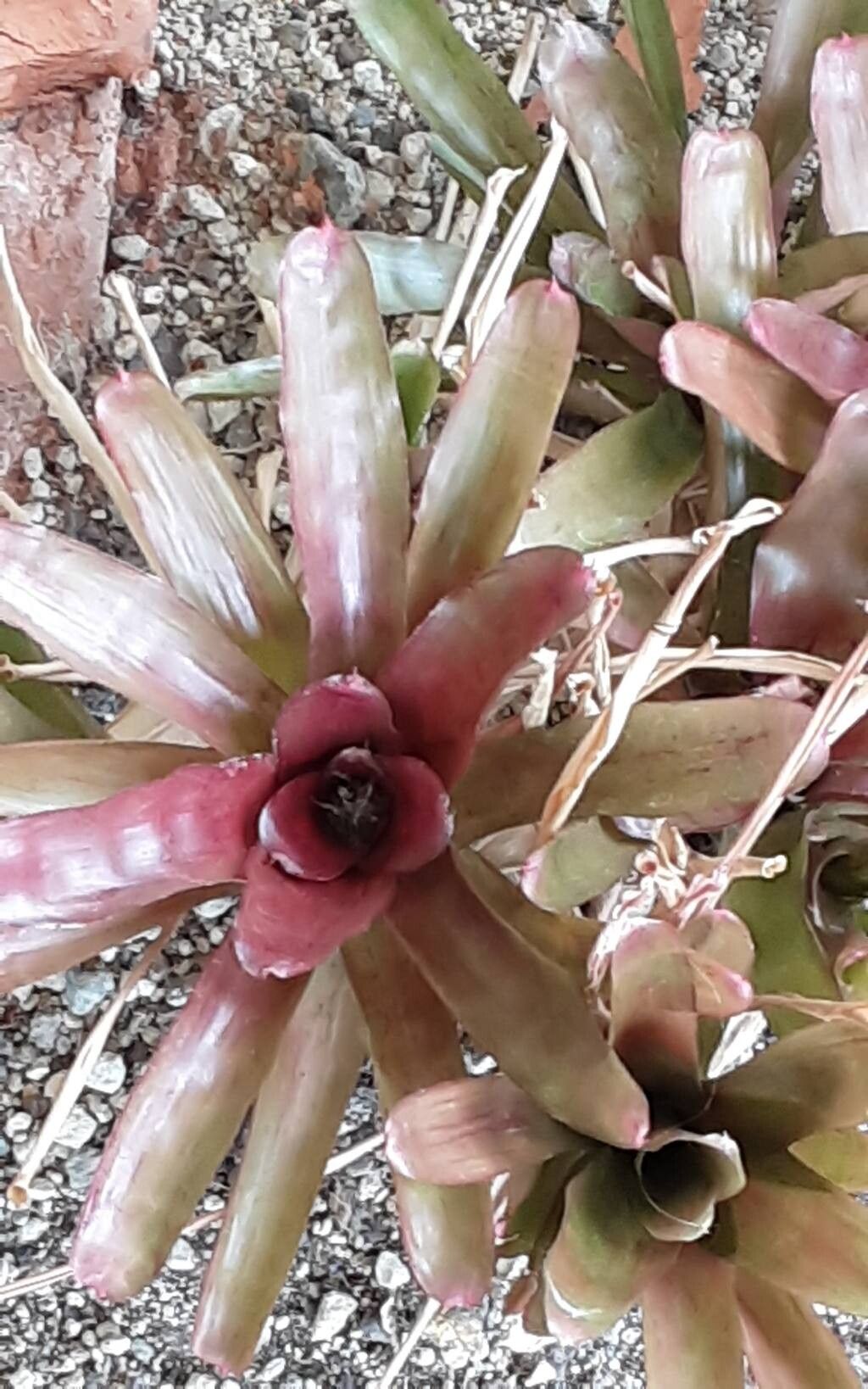
Hello, fellow plant lovers! Today, we’re diving into the wonderful world of Aechmea caudata. If you’re like me, you probably adore those striking, architectural bromeliads with their spiky leaves and vibrant, often dramatic, inflorescences. Aechmea caudata, with its elegant arching leaves and beautiful flower spikes, is a real showstopper.
What’s even better? Propagating them is incredibly rewarding. Seeing a tiny pup grow into a magnificent plant all your own? Pure garden joy. And good news for beginners: Aechmea caudata is quite amenable to propagation. You’ll likely have a great deal of success.
The Best Time to Start
The absolute best time to propagate your Aechmea caudata is when it’s actively growing. This means spring and summer are your prime windows. You’ll notice the mother plant producing little offspring, or “pups,” around its base. That’s your signal! It’s also crucial that the pups themselves have started to develop their own roots, or at least are a decent size themselves – think at least a third the size of the mother plant.
Supplies You’ll Need
Gathering your tools beforehand makes the whole process smoother. Here’s what I like to have handy:
- Sharp pruning shears or a clean knife: Sterilize them with rubbing alcohol before and after use to prevent disease.
- A well-draining potting mix: A mix specifically for bromeliads or orchids works wonderfully. You can also make your own with equal parts perlite, orchid bark, and coco coir.
- Small pots or containers: Enough for your newly separated pups, with good drainage holes.
- Rooting hormone (optional but recommended): This can give your pups an extra boost.
- Watering can with a fine spray or mister: To gently water your new arrivals.
- Small trowel or dibbler: For making holes in the potting mix.
Propagation Methods
The most common and successful way to propagate Aechmea caudata is through division of offsets (pups). Bromeliads naturally produce these babies around their base.
- Assess your plant: Look for pups that have formed at the base of the mother plant. They should be at least a few inches tall and ideally showing their own root system.
- Remove the pup: Gently remove the mother plant from its pot if it’s still in one. This gives you better access to the pups. Using your sterilized shears or knife, carefully cut the pup away from the mother plant, making sure to get as many of its own roots as possible. If the pup is very small and doesn’t have developed roots, you can still cut it, but it might take a bit longer to root.
- Prepare the pup: If the pup has any old, dead basal leaves, gently remove them. This helps prevent rot.
- Pot it up: Fill your small pot with your well-draining potting mix. Make a small hole in the center with your trowel or finger.
- Plant the pup: Place the base of the pup into the hole. You can dip the cut end in rooting hormone before planting if you’re using it. Gently firm the soil around the base. The pup should stand upright on its own.
- Water gently: Water the soil lightly, just enough to moisten it. Don’t drench it.
The “Secret Sauce” (Pro Tips)
Here are a couple of things I’ve learned that can really make a difference:
- Don’t let the central cup fill completely with water immediately. When you water, aim for the soil. While bromeliads like to hold water in their central tank, new pups are more vulnerable to rot if that cup stays soggy. A little bit of water in the cup is fine over time, but let it dry out occasionally.
- Consider bottom heat. If you’re propagating in cooler weather or just want to speed things up, placing your potted pups on a seedling heat mat will encourage faster root development. It mimics the warmth of spring and summer soil beautifully.
Aftercare & Troubleshooting
Once your pup is potted, give it a bright, indirect light spot. Keep the soil lightly moist, not soggy. You can mist the leaves occasionally, but again, be mindful of not letting the central cup fill up too much initially.
The biggest challenge you might face is rot. If you notice the base of the pup turning mushy or black, it’s likely due to too much moisture or poor air circulation. If this happens, you might need to pull it out, trim away any rotted parts, and repot in fresh, drier mix. Patience is your best friend here. You’ll know it’s happy when you see new leaf growth emerging from the center.
A Encouraging Closing
Propagating Aechmea caudata is a wonderfully satisfying experience. Don’t be discouraged if your first attempt isn’t perfect. Gardening is all about learning and observing. Be patient, keep an eye on your little ones, and soon you’ll have a whole collection of these stunning plants to admire. Happy propagating!
Resource:
https://identify.plantnet.org/k-world-flora/species/Aechmea%20caudata%20Lindm./data