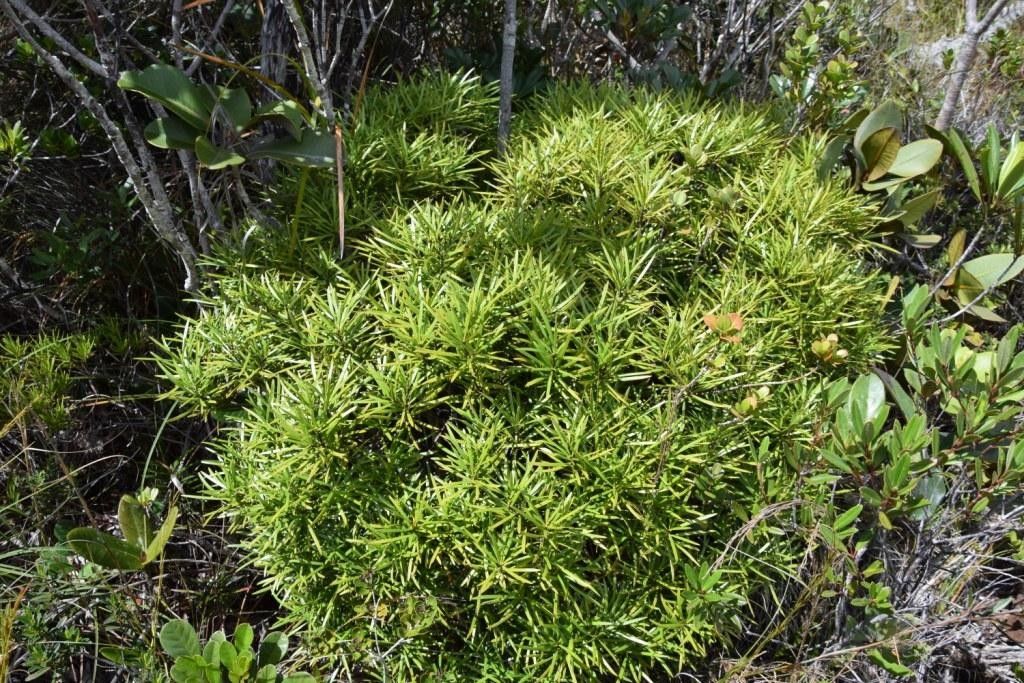
Hello fellow plant enthusiasts! It’s so wonderful to have you here. Today, we’re diving into the delightful world of Podocarpus beecherae, also lovingly known as Willowleaf Podocarpus or sometimes even African Pine. For years, I’ve admired these elegant trees. Their graceful, weeping branches and lush, linear leaves bring a sense of calm and sophistication to any garden.
If you’ve ever wanted to expand your collection of these beauties or share them with friends, propagating them yourself is incredibly rewarding. And you know what? It’s not as intimidating as you might think. While Podocarpus beecherae can be a bit particular, with a little know-how, even beginners can find success.
The Best Time to Start
For the absolute best chance of success with your Podocarpus beecherae cuttings, I always recommend aiming for the late spring or early summer. This is when the plant is actively growing, which means it has plenty of energy to direct towards forming new roots. Look for semi-hardwood cuttings – that’s wood that’s still a bit flexible but has started to mature a little. You can usually tell by giving a young shoot a gentle bend; it should snap rather than just bend completely.
Supplies You’ll Need
Getting your workspace ready is half the battle! Here’s a list of what you’ll want to have on hand:
- Sharp, clean pruning shears or a sharp knife: Essential for making clean cuts that heal better.
- Rooting hormone (optional but recommended): This helps significantly with root development. Look for a powdered product specifically for woody cuttings.
- Well-draining potting mix: A good blend is a mix of perlite, peat moss, and a little bit of coarse sand. Some people like to add a touch of coco coir too.
- Small pots or propagation trays: Clean containers with drainage holes are a must.
- Plastic bags or a propagation dome: To create a humid environment.
- Water: For moistening the soil and, if you choose, for water propagation.
- Labeling sticks: So you don’t forget what you’ve propagated!
Propagation Methods
Let’s get our hands dirty and talk about how to actually do this!
Stem Cuttings
This is my go-to method for Podocarpus beecherae.
- Take Your Cuttings: In late spring or early summer, use your clean shears to take 6-8 inch cuttings from healthy, vigorous stems. Make your cut just below a leaf node (where a leaf attaches to the stem). Remove any lower leaves, leaving just a few at the very top.
- Prepare the Cuttings: If you’re using rooting hormone, dip the cut end of each cutting into the powder, tapping off any excess.
- Plant Your Cuttings: Fill your pots with your well-draining mix. Make a hole in the center of the soil with your finger or a pencil. Gently insert the prepared cutting into the hole, ensuring at least one leaf node is buried in the soil. Firm the soil gently around the base.
- Water and Cover: Give the soil a good watering until it’s moist but not waterlogged. You want it to feel like a wrung-out sponge. Then, cover the pot with a clear plastic bag, or place it under a propagation dome. This traps moisture and creates the humid environment the cuttings need.
Water Propagation (Use with Caution!)
While I personally prefer cuttings in soil for Podocarpus beecherae, water propagation can work for some.
- Prepare the Cuttings: Follow steps 1 and 2 above, but skip the rooting hormone for this method if you’re unsure.
- Place in Water: Place the cuttings in a clean jar or vase filled with fresh, clean water. Make sure no leaves are submerged below the waterline – this is crucial to prevent rot. You might need to prune off lower leaves to achieve this.
- Change Water Regularly: Replace the water every few days to keep it fresh and prevent bacterial growth.
- Wait for Roots: Be patient! You’ll start to see tiny white roots emerging. Once the roots are about 1-2 inches long, you can carefully transplant them into pots with well-draining soil, following the soil preparation steps for stem cuttings.
The “Secret Sauce” (Pro Tips)
Over the years, I’ve learned a few tricks that seem to make a real difference with Podocarpus beecherae:
- Bottom Heat is Your Friend: If you have a heated propagator mat, use it! A gentle warmth from below can significantly speed up root formation. Don’t let it get too hot, though – think tepid bath water.
- Don’t Fear the “Wound”: For tougher, semi-hardwood cuttings, you can try making a small slit or two on the side of the stem opposite the main cut. This exposes more of the cambium layer, which can encourage more robust rooting, especially if you’re skipping rooting hormone. Just be gentle!
- Observe, Don’t Disturb: It’s tempting to keep pulling up your cuttings to check for roots, but resist! The more you disturb them, the more likely you are to damage delicate new root hairs. Trust the process, and you’ll start to see new leaf growth as a sign of success.
Aftercare & Troubleshooting
Once you see those first signs of new growth – little green leaves unfurling from your cutting – you’re in business!
- Gradual Acclimation: Slowly start to introduce your new plants to less humid conditions. For cuttings in bags, start by opening them up for a few hours each day. Remove the plastic completely once they seem to be thriving outside of the high humidity.
- Light and Water: Place your new Podocarpus beecherae in bright, indirect light. Water them when the top inch of soil feels dry. Avoid overwatering, as this is a common culprit for problems.
- Troubleshooting Rot: The most common issue you’ll face is rot. If you notice your cutting turning black and mushy, or if the leaves start to yellow and drop rapidly, it’s likely rot. This is usually caused by too much moisture and poor air circulation. Sadly, you can’t save a rotted cutting, but you can learn from it and try again, ensuring better drainage and less water next time.
A Little Patience Goes a Long Way
Propagating Podocarpus beecherae is a journey. There will be times when things don’t quite work out, and that’s perfectly natural. The most important thing is to keep learning, keep trying, and most importantly, enjoy the process of nurturing new life. Soon, you’ll be surrounded by your own beautiful Willowleaf Podocarpus, a testament to your gardening skills and patience. Happy propagating!
Resource:
https://identify.plantnet.org/k-world-flora/species/Podocarpus%20beecherae%20de%20Laub./data