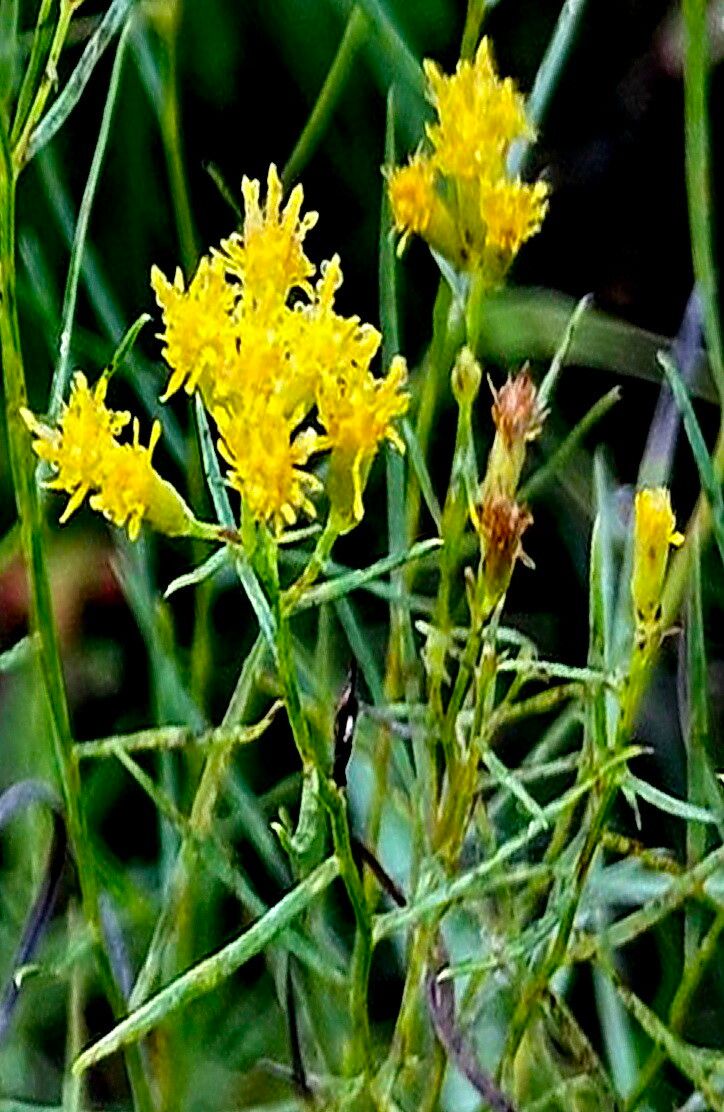
Hello, fellow plant lovers! Today, we’re going to talk about a plant that has truly captured my heart over the years: Euthamia gymnospermoides, often known as the Goldenrod. Now, I know what some of you might be thinking – goldenrod? Isn’t that a weed? But trust me, this particular species is a gem. Imagine clouds of delicate, bright yellow flowers gracing your garden in late summer and fall, attracting a buzzing symphony of pollinators. It’s simply magical.
Propagating Euthamia gymnospermoides is incredibly rewarding. It’s a wonderful way to share this beauty with friends or simply expand your own display without a hefty price tag. And for those of you just starting out in the world of propagation, I’m happy to say, you’re in luck! This plant is generally quite easy to propagate, making it a fantastic choice even for beginners.
The Best Time to Start
For the absolute best success rate, I’ve found that propagating Euthamia gymnospermoides is most effective from late spring through mid-summer. This is when the plant is actively growing and has plenty of energy to put into developing new roots. You want to look for stems that are semi-hardwood, meaning they’re not the brand-new, super-soft shoots, but also not the woody, mature stems from the previous year. They should be firm but still have a bit of flexibility. If you miss this window, don’t despair! You can often have success with softwood cuttings in early spring as well.
Supplies You’ll Need
Gathering your supplies beforehand makes the whole process much smoother. Here’s what I recommend having on hand:
- Sharp Pruning Shears or a Craft Knife: Cleanliness is key to preventing disease.
- Small Pots or Seed Trays: 3-4 inch pots are usually a good size.
- Well-Draining Potting Mix: A mix of equal parts perlite and peat moss or coco coir works wonders. You can also use a specialized seed starting mix.
- Rooting Hormone (Optional but Recommended): This helps significantly boost root formation. Look for one specifically for softwood or semi-hardwood cuttings.
- Plastic Bags or a Propagator: To create a humid environment.
- Watering Can with a Fine Rose: For gentle watering.
- Labels and a Pen: To keep track of your cuttings!
- Bottom Heat Mat (Optional): This can speed up root development.
Propagation Methods
Euthamia gymnospermoides is quite amenable to a couple of different propagation techniques. I’ve had the most consistent success with stem cuttings.
Stem Cuttings:
- Take Your Cuttings: Select healthy, vigorous stems that are in that semi-hardwood stage. Using your sterilized pruning shears, take cuttings that are about 4-6 inches long. Make the cut just below a leaf node (where a leaf attaches to the stem).
- Prepare the Cuttings: Gently remove the leaves from the bottom two-thirds of the cutting. This prevents them from rotting when buried or in the potting mix. If the remaining leaves are very large, I like to cut them in half horizontally to reduce water loss through transpiration.
- Apply Rooting Hormone: Dip the cut end of each stem into your rooting hormone powder, tapping off any excess.
- Plant Your Cuttings: Fill your small pots with your prepared potting mix. Moisten the mix thoroughly. Then, using a pencil or dowel, create a pilot hole in the center of each pot. Insert the cuttings into the holes, ensuring the nodes where you removed the leaves are buried in the soil. Gently firm the soil around the base of each cutting.
- Create Humidity: Water the pots gently again. Then, place a plastic bag over the top of the pot, securing it loosely with a rubber band, or place the pots inside a propagator. This creates a mini-greenhouse effect, keeping humidity high, which is crucial for the cuttings to root.
- Provide Light and Warmth: Place your pots in a bright location but out of direct, harsh sunlight. A north-facing windowsill is often ideal. If you have a bottom heat mat, place the pots on it.
The “Secret Sauce” (Pro Tips)
Here are a few little tricks I’ve learned over the years that can really make a difference:
- Don’t Let the Leaves Touch the Water (if doing water propagation): While I prefer stem cuttings in soil for goldenrod, if you do try water propagation, make sure only the stem is submerged, not the leaves. Any leaves sitting in the water will quickly rot and can take down your entire cutting.
- Sterilize Everything, Always: I can’t stress this enough. Before you even think about taking cuttings, sterilize your pruning shears, knives, and pots. Alcohol or a bleach solution works well. This single step can prevent a whole host of fungal diseases that can kill your precious cuttings.
- Bottom Heat is Your Best Friend: If you’re serious about propagation, investing in a bottom heat mat is a game-changer. It gently warms the soil from below, encouraging root development much faster than ambient room temperature alone. It really speeds things up, especially if you’re working with less-than-ideal timing.
Aftercare & Troubleshooting
Once your cuttings have developed a good root system – you’ll know this because you’ll see new leaf growth and, if you gently tug on a cutting, they’ll feel secure – it’s time to transition them.
Care for your newly rooted plants as you would a young seedling. Water regularly, but avoid overwatering. Let the top inch of soil dry out between waterings. Gradually acclimate them to lower humidity by opening the plastic bag for increasingly longer periods over a week or two. Once they’re fully exposed, you can consider potting them up into slightly larger containers if they’re outgrowing their initial pots.
The most common sign of failure you’ll see is wilting and browning, eventually leading to the cutting turning black and mushy. This is usually a sign of rot, often caused by too much moisture and not enough airflow, or sometimes disease. If you see this, it’s best to discard the affected cutting to prevent it from spreading to others. Another issue can be cuttings that simply refuse to root. This can happen if the cuttings were taken at the wrong stage, are too old, or if conditions aren’t quite right. Don’t get discouraged if a few don’t make it – it’s all part of the learning curve!
A Little Patience Goes a Long Way
Propagating Euthamia gymnospermoides is a wonderfully accessible way to bring more of this cheerful plant into your life. Be patient with the process, observe your cuttings closely, and celebrate every tiny bit of progress. You’ll be rewarded with beautiful blooms and the immense satisfaction of growing your own from scratch. Happy propagating!
Resource:
https://identify.plantnet.org/k-world-flora/species/Euthamia%20gymnospermoides%20Greene/data