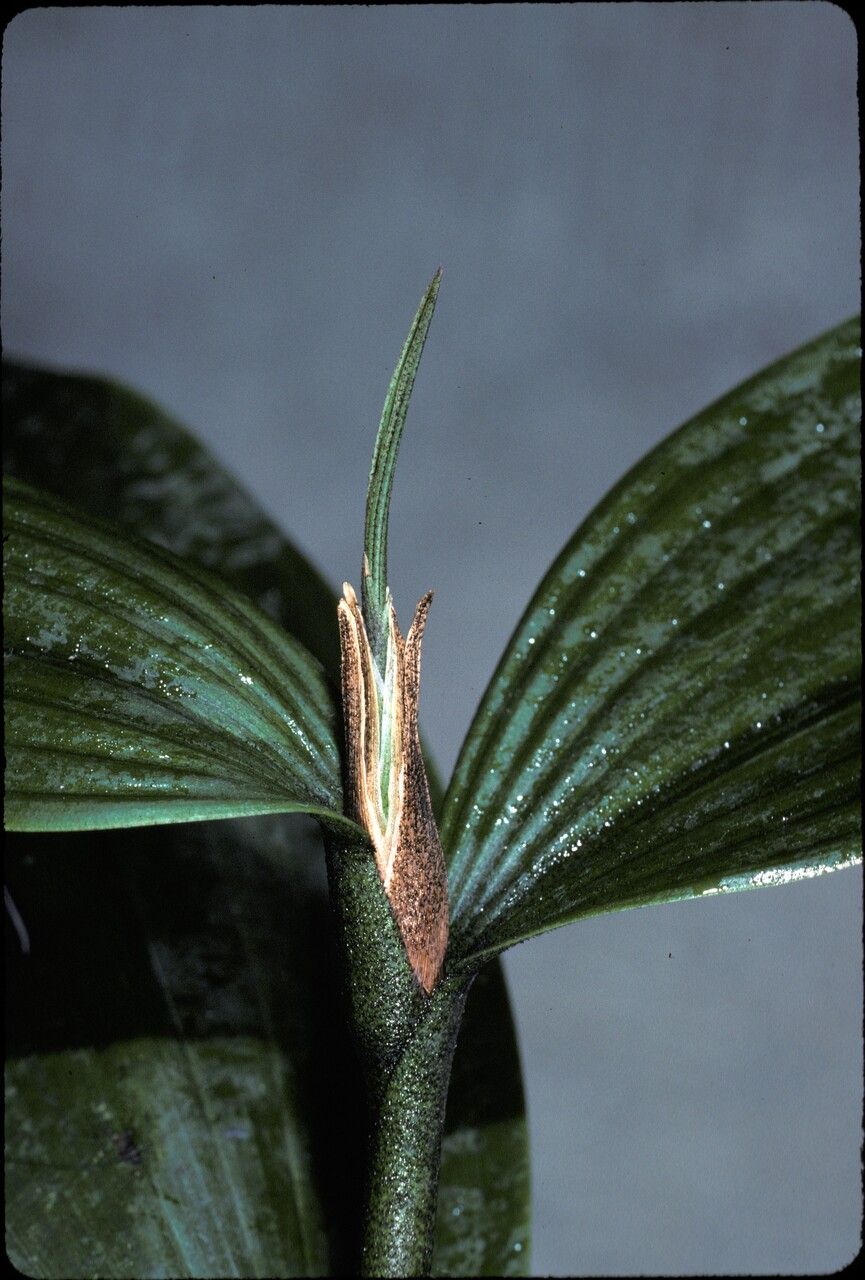
Hello there, fellow plant lovers! I’m so excited to share my passion for creating more of those beautiful Sobralia violacea orchids. If you’ve ever seen these vibrant beauties with their graceful, reed-like stems and stunning, trumpet-shaped purple flowers, you know exactly why they capture our hearts. Their blooms are truly breathtaking, and the thought of having more of them gracing your home or garden is a wonderfully rewarding prospect. Now, I’ll be upfront: propagating orchids can sometimes feel a bit like a science experiment, but with Sobralia violacea, it’s moderately challenging. It’s not a beginner’s plant for a quick win, but with a little patience and the right approach, you can absolutely succeed.
The Best Time to Start
The sweet spot for propagating Sobralia violacea is really when the plant is in an active growth phase. Think late spring through summer. You want to catch it when it’s feeling energetic and has plenty of stored energy to put into producing new roots. If you try to take cuttings too early in the spring before it’s really perked up, or in the fall when it’s winding down, you might find things move a bit slower.
Supplies You’ll Need
Gathering your supplies beforehand makes the whole process much smoother. Here’s what I always have on hand:
- Sharp, sterile pruning shears or a clean knife: Absolutely crucial for making clean cuts and preventing disease. Give them a wipe with rubbing alcohol!
- Well-draining potting mix: A good orchid mix is key. I often blend a standard orchid bark mix with some perlite and a bit of sphagnum moss. This gives it aeration and a little moisture retention.
- Small pots or containers: Clean ones, of course. Terra cotta pots are great because they breathe.
- Rooting hormone (optional but helpful): A powdered or gel form can give your cuttings a nice boost to start rooting.
- Clear plastic bags or a propagation dome: To create a humid environment for your cuttings.
- Spritzer bottle: For gently misting.
- Labels and a marker: To keep track of what you’ve done and when!
Propagation Methods
For Sobralia violacea, the most reliable methods are division and stem cuttings.
Division (My Go-To for Mature Plants)
This is often the easiest way to get going, especially if you have a larger, established plant.
- Gently remove the plant from its pot. If it’s really stuck, you might need to carefully run a knife around the edge.
- Inspect the root ball. Look for natural divisions where thicker pseudobulbs meet. You want to see at least two or three pseudobulbs with healthy roots attached to each division.
- Carefully tease the rhizomes apart. You can use your fingers, or a clean, sharp knife or spade if necessary. The goal is to separate it into smaller, manageable sections.
- Trim away any dead or mushy roots.
- Pot each division into its own pot using your prepared orchid mix. Make sure the top of the rhizome is at or slightly above the soil line.
- Water lightly after potting.
Stem Cuttings (For a Little More Patience)
This method focuses on taking a piece of the stem to encourage new growth.
- Choose a healthy, mature stem from your Sobralia violacea. Look for one that has at least a couple of nodes (those little bumps where leaves emerge).
- Using your sterile shears, cut the stem into sections. Each cutting should have at least two nodes. It’s often best to make your cut just below a node.
- Remove the lower leaves. This helps prevent rot where the cutting will be planted.
- Dip the cut end into rooting hormone (if you’re using it). Tap off any excess.
- Plant the cutting in your prepared potting mix. The bottom node should be buried in the substrate, with the top node just emerging.
- Water gently to settle the mix.
The “Secret Sauce” (Pro Tips)
Here are a couple of things I’ve learned over the years that really help boost success:
- Humidity is King (and Queen!): Both division and cuttings absolutely thrive in a high-humidity environment. This is why covering your pots with a plastic bag or using a propagation dome is so important. I like to poke a few small holes in the bag to allow for some air circulation, preventing mold.
- Bottom Heat Can Be a Game Changer: Sobralias are tropical plants, and they love a little warmth from below to encourage root development, especially for cuttings. Placing your pots on a heat mat designed for plant propagation can significantly speed things up. Just make sure it’s set to a gentle warmth, not scorching hot!
Aftercare & Troubleshooting
Once your divisions are potted or your cuttings are planted, the real waiting game begins.
- Keep them consistently moist, but not soggy. Mist the leaves of cuttings lightly every so often, and water the potting mix when the surface begins to feel dry.
- Watch for new growth! For divisions, you’ll likely see new shoots emerge from the pseudobulbs. For cuttings, new roots will start to form from the buried node, and eventually, a new shoot will appear from a node above the soil. This can take several weeks, so be patient.
- Signs of Trouble: The most common issue you’ll encounter is rot. If you notice your cuttings turning black and mushy, or if divisions start to look unwell and limp, it’s usually a sign of too much moisture and not enough airflow. If you see rot, you may need to carefully trim away the affected parts and repot in fresh, drier medium. In more severe cases, it might mean starting over. Don’t get discouraged if this happens; just learn from it and try again!
A Encouraging Closing
Propagating Sobralia violacea is a journey, and like all good gardening adventures, it’s about patience and observation. Watching a new plant emerge from a tiny cutting or a divided piece is incredibly satisfying. So, don’t be afraid to get your hands dirty, embrace the learning process, and enjoy the magic of creating more of these gorgeous orchids. Happy growing!
Resource:
https://identify.plantnet.org/k-world-flora/species/Sobralia%20violacea%20Linden%20ex%20Lindl./data