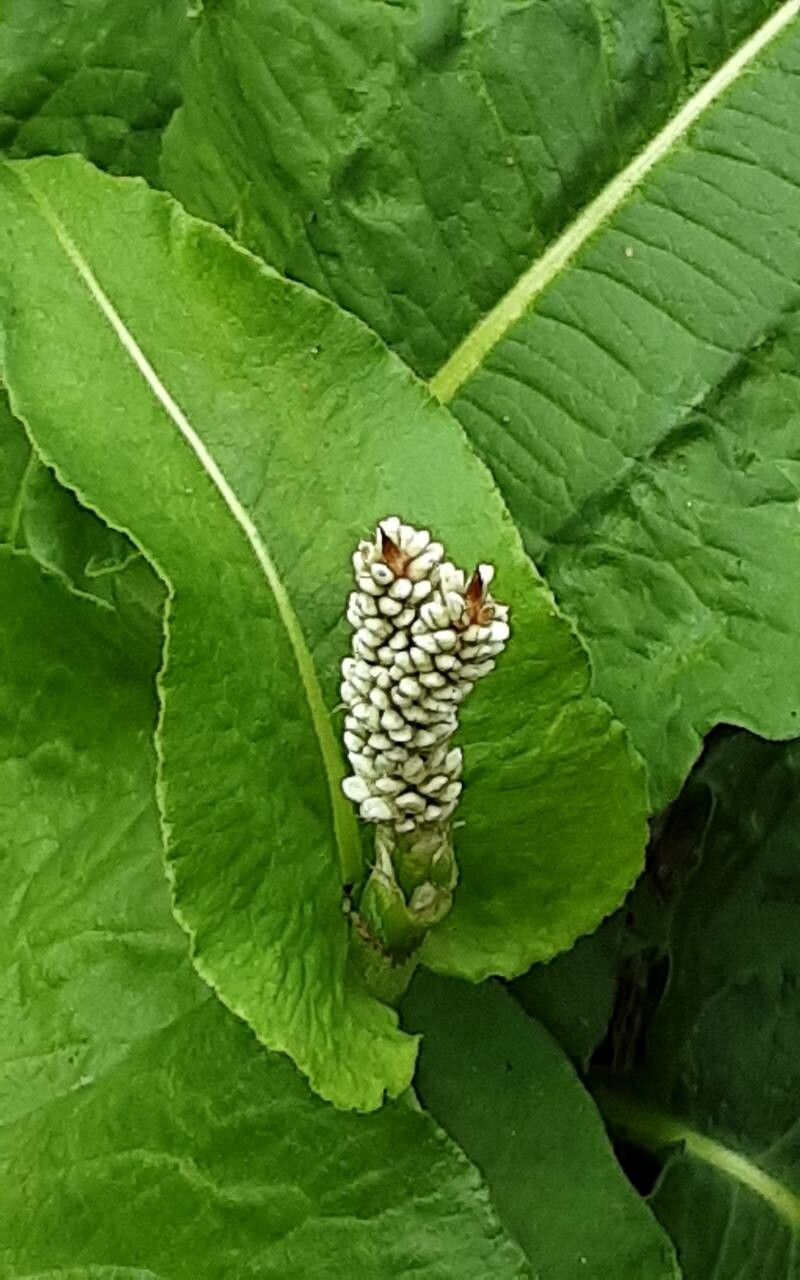
Hello, fellow plant lovers! Today, let’s talk about a truly gem of a plant: Rumex azoricus, also known as the Azorean Sorrel. If you’re looking for a striking addition to your garden or even your edible landscape, this one’s for you. Its attractively lobed, deep burgundy leaves are stunning, and believe it or not, the young leaves offer a delightful tangy flavor. Propagating Rumex azoricus can be incredibly rewarding, and while it’s not quite a “stick it in the ground and pray” situation, I find it to be quite manageable, even for those of you just dipping your toes into the wonderful world of plant propagation.
The Best Time to Start
For the best success, I always recommend starting your Rumex azoricus propagation in the spring. This is when the plant is really waking up from its winter slumber and pumping out fresh, vigorous growth. You’ll find it much easier to get those cuttings to root and divisions to establish when the days are getting longer and the temperatures are warming up. Aim for a time when new shoots are clearly visible and actively growing.
Supplies You’ll Need
Before we get our hands dirty, let’s gather our tools:
- Sterilized Pruning Shears or Sharp Knife: Clean tools are crucial to prevent diseases.
- Small Pots or Seed Starting Trays: Something with good drainage.
- Well-Draining Potting Mix: A blend of peat moss, perlite, and a bit of compost works wonders. I often add a bit of coco coir too for moisture retention without sogginess.
- Rooting Hormone (Optional but Recommended): This can give your cuttings a significant boost. Look for a powder or gel, specifically for stem cuttings.
- Watering Can with a Fine Rose: Gentle watering is key.
- Plastic Bags or Propagation Domes: To maintain humidity.
- Labels: Always label your plants!
- Small Trowel or Dibber: For planting your divisions or cuttings.
Propagation Methods
Rumex azoricus is generally propagated through division or stem cuttings.
Division
This is my go-to for Rumex azoricus. It’s straightforward and usually yields great results.
- Gently Excavate: In the spring, carefully dig up the parent plant. Try to disturb the roots as little as possible. You can use a trowel or a garden fork for this.
- Examine the Root Ball: Once out of the ground, gently shake off excess soil. You’ll see the plant’s rhizomatous root system. Look for natural divisions – places where the plant is already starting to branch off.
- Separate Gently: Using your hands or a sterilized knife, carefully separate the root ball into sections. Each division should have at least a few healthy roots and some leafy shoots. Don’t be afraid to be firm but avoid tearing the roots unnecessarily. If a section seems too fragile, it might be best to leave it attached for now.
- Replant Immediately: Pot up your new divisions into their prepared pots or plant them directly into their new garden spots. Make sure the crown of the plant is at soil level. Water them in well.
Stem Cuttings
This method is great for increasing your stock, and while slightly trickier than division, it’s very doable.
- Select Healthy Shoots: In the spring, choose vigorous, non-flowering shoots that are about 4-6 inches long. Make sure they have at least a couple of sets of leaves.
- Make a Clean Cut: Using your sterilized shears, make a clean cut just below a leaf node (where a leaf attaches to the stem). This is where roots are most likely to form.
- Prepare the Cutting: Remove the lower leaves from the cutting, leaving only the top two to four leaves. This helps reduce water loss. If the remaining leaves are very large, you can cut them in half to further reduce transpiration.
- Apply Rooting Hormone (Optional): Dip the cut end of the stem into rooting hormone, tapping off any excess.
- Plant the Cutting: Make a small hole in your pre-moistened potting mix with a dibber or your finger. Insert the cutting, ensuring the leaf nodes are buried. Gently firm the soil around the stem.
- Create a Humid Environment: Water the pot gently. Then, loosely cover the pot with a clear plastic bag or place it under a propagation dome. This will keep the humidity high, which is crucial for the cuttings to root. You can prop the bag up with stakes so it doesn’t touch the leaves.
The “Secret Sauce” (Pro Tips)
Here are a couple of things I’ve learned over the years that make a real difference:
- Don’t Let the Leaves Touch the Water (When Using Water Propagation for Other Plants, Use This Mindset Here Too): While I primarily recommend soil for Rumex azoricus, this is a good general rule. For cuttings in soil, it’s about preventing rot. If your leaves are constantly buried or touching damp soil surfaces, they can start to decompose and invite fungal diseases. Ensure good air circulation around your cuttings.
- Bottom Heat is Your Friend: If you’re struggling with cuttings or want to speed things up, a gentle heat mat placed under your propagation trays can work wonders. Rumex azoricus roots respond really well to warmth, encouraging faster root development. It mimics that cozy spring soil temperature they love.
Aftercare & Troubleshooting
Once your Rumex azoricus divisions or cuttings show signs of rooting – you might see new leaf growth or feel a gentle resistance when you tug ever so slightly – it’s time for a little more focused care.
- Acclimatize Gradually: If you’ve used a plastic bag or dome, start opening it up for increasing periods each day. This allows the new plant to adjust to the drier ambient air.
- Watering: Keep the soil consistently moist but not waterlogged. Wilting is a common sign of stress, but don’t waterlog them, or you’ll invite rot. Check the soil moisture with your finger before watering.
- Light: Place your new plants in bright, indirect light. Avoid direct midday sun, which can scorch delicate new growth.
Common Signs of Failure: The most frequent issue you might encounter is rot. This usually happens if the soil is too wet, the air circulation is poor, or the plant is kept in overly cold conditions. You might see the stem turning mushy and black at the base. If you spot rot, it’s usually best to discard the affected cutting or division and start again, making sure your conditions are drier and more airy.
A Little Patience Goes a Long Way
Propagating plants is a beautiful dance with nature, and sometimes it takes a little patience. Don’t get discouraged if your first attempt doesn’t go perfectly. Every garden situation is unique, and learning what works best in your environment is part of the fun. Be observant, be gentle, and enjoy the process of watching new life emerge. Happy propagating!
Resource:
https://identify.plantnet.org/k-world-flora/species/Rumex%20azoricus%20Rech.f./data