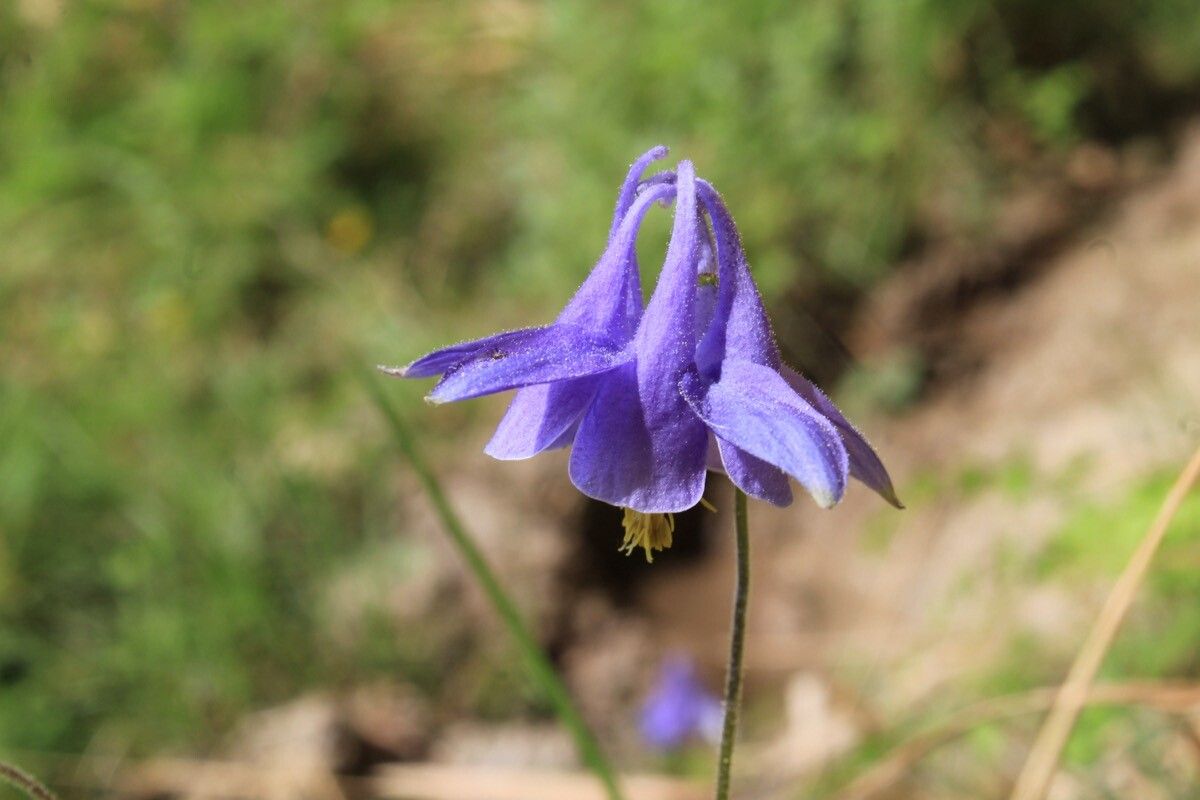
Hello there, fellow garden enthusiasts! Today, we’re diving into the enchanting world of Aquilegia cazorlensis, also known as the Cazorla columbine. This beauty is a real star with its delicate, often bi-colored blooms and a graceful form that adds such charm to any border. If you’ve fallen head over heels for this plant, like I have, you’ll be delighted to know that propagating it is absolutely doable, even if you’re just starting out. It’s a wonderfully rewarding way to expand your collection or share these special plants with friends.
The Best Time to Start
For the best chance of success with Aquilegia cazorlensis, timing is key. The absolute sweet spot for propagating from seed is early spring. If you’re looking to take cuttings or divide existing plants, late spring or early summer, just after flowering has finished, is your prime time. This gives the new plants enough time to establish before tougher conditions arrive.
Supplies You’ll Need
Let’s gather our little helpers! You won’t need a whole lot, just some essentials:
- Seed starting mix: A light, well-draining blend is perfect. You can buy it, or mix your own with equal parts peat moss, perlite, and vermiculite.
- Small pots or seed trays: For starting those precious seeds or cuttings. Make sure they have drainage holes!
- Pruning shears or a sharp knife: Cleanliness is crucial here.
- Rooting hormone (optional but helpful): Especially for cuttings.
- Watering can with a fine rose: Gentle watering is the name of the game.
- A plastic bag or propagation dome: To create a mini-greenhouse effect.
- Labels: So you don’t forget what you planted where!
Propagation Methods
Now for the fun part – getting more Aquilegia cazorlensis!
From Seed
This is often the most straightforward method if you can get your hands on fresh seeds.
- Sowing: Fill your seed trays with the seed-starting mix. Sow the seeds thinly on the surface. They don’t need to be buried deeply; a light dusting of the mix is all they need.
- Watering: Gently water the mix until it’s evenly moist. You can mist it to avoid dislodging the tiny seeds.
- Germination: Place the trays in a bright, cool location, ideally around 60-70°F (15-21°C). Some columbine seeds benefit from a period of chilling (stratification), so if you’re sowing in autumn or early winter, leaving them outdoors in a sheltered spot can be beneficial. Patience is key; germination can take anywhere from a few weeks to a couple of months.
- Transplanting: Once the seedlings have a few true leaves and are large enough to handle, gently transplant them into individual pots.
From Division
If you have an established plant, dividing it is a wonderful way to rejuvenate it and, of course, get more.
- Digging Up: In late spring or early summer, carefully dig up the entire plant. Try to disturb the roots as little as possible.
- Separating: Gently shake off excess soil. You’ll see that the plant has likely formed several crowns. Using your hands or a clean spade/knife, gently pull or cut the root ball apart into sections, ensuring each section has at least one healthy bud or leafy shoot and some roots.
- Replanting: Immediately replant the divisions into well-prepared soil or pots filled with your potting mix. Water them in well.
The “Secret Sauce” (Pro Tips)
Here are a couple of little tricks I’ve learned over the years that can make a real difference.
- Don’t let the leaves of cuttings touch the water. If you’re trying propagation by water (though less common for Aquilegia), make sure only the stem is submerged. Leaves sitting in water are a fast track to rot.
- Bottom heat is your friend for cuttings. For stem cuttings, placing the pot on a propagation mat with gentle bottom heat can significantly speed up root formation. It mimics the warmth from the soil that encourages new root growth.
Aftercare & Troubleshooting
Once your littleophytes are showing signs of life – be it tiny sprouts from seeds or new growth on divisions and cuttings – it’s time for ongoing care.
Keep newly potted plants moist but not waterlogged. A good rule of thumb is to water when the top inch of soil feels dry. If you’re using a plastic bag or dome, vent it daily to prevent fungal issues. As your new plants grow larger and stronger, you can gradually acclimate them to normal garden conditions.
The most common issue you’ll encounter is rot. This usually happens when plants are kept too wet, especially in cooler temperatures, or if air circulation is poor. If you see your seedlings or cuttings wilting and looking mushy at the base, it’s often a sign of rot. Unfortunately, once rot sets in, it’s very difficult to save the plant. For future attempts, ensure excellent drainage and avoid overwatering.
A Little Encouragement
Growing new plants is such a joy, and it’s a journey that’s as much about the process as it is about the result. Be patient with your Aquilegia cazorlensis. Some take their sweet time, but when they finally put on a show, it’s all the more satisfying. Enjoy the process, learn from each step, and happy gardening!
Resource:
https://identify.plantnet.org/k-world-flora/species/Aquilegia%20cazorlensis%20Heywood/data