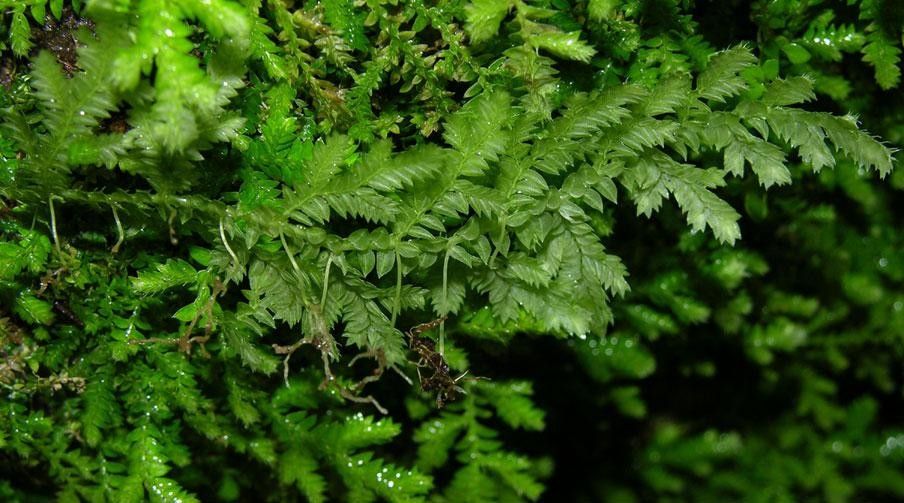
Oh, hello there! Come on in, grab a mug. I’m so glad you stopped by to chat about Selaginella flagellata. Isn’t it just a marvel? Those delicate, fern-like fronds, shimmering with iridescence – it’s like a little piece of captured magic for your home. And the best part? You can easily bring that magic into more corners of your space by propagating it. It’s a truly rewarding endeavor, and while it might seem a tad fussy at first glance, I promise, it’s quite achievable once you know a few tricks. Don’t let a little green intimidate you!
The Best Time to Start
For Selaginella flagellata, like many plants, spring and early summer are your golden ticket. This is when the plant is in its most vigorous growth phase. You’ll notice new shoots unfurling, and this energy translates beautifully when you take cuttings or divide them. Aim for when the weather is consistently warm and there’s plenty of natural light, even if you’re growing it indoors.
Supplies You’ll Need
Here’s a little toolkit to get you started. Don’t worry if you don’t have everything immediately; a bit of resourcefulness goes a long way!
- Sharp Pruning Shears or Scissors: Clean cuts are crucial for healthy propagation.
- Well-Draining Potting Mix: A mix of peat moss, perlite, and a bit of orchid bark works wonders. You want something that holds moisture but doesn’t get waterlogged.
- Small Pots or Trays: Clean containers are a must to prevent disease.
- Rooting Hormone (Optional but Recommended): This can give your cuttings a helpful boost.
- Watering Can or Spray Bottle: For gentle watering.
- Plastic Bag or Dome: To create a humid environment.
Propagation Methods
Selaginella flagellata is primarily propagated through two main methods, and I find both to be quite successful:
1. Stem Cuttings: This is my go-to for multiplying these beauties.
- Select Your Shoots: Look for healthy, vibrant stems that are at least 3-4 inches long. Avoid any that look leggy or stressed.
- Make the Cut: Using your clean pruning shears, make a cut just below a leaf node. A leaf node is where a leaf attaches to the stem – it’s where new roots love to form.
- Prepare the Cutting: Gently remove the lower leaves from about an inch of the stem. You can leave the top leaves intact, but if they’re very large, you might want to trim them in half to reduce water loss.
- Apply Rooting Hormone (If Using): Dip the cut end of the stem into your rooting hormone, tapping off any excess.
- Plant Your Cuttings: Fill your small pots with your prepared, moist potting mix. Make a small hole with your finger or a pencil and gently insert the stem cutting, ensuring the nodes are buried.
- Create Humidity: Water gently and then cover the pot with a clear plastic bag or a propagation dome. This creates that humid environment your Selaginella craves. You can secure the bag with a rubber band. Place the pot in a bright spot, but avoid direct sunlight, which can scorch the delicate cuttings.
2. Division: This is a wonderful way to propagate when your plant is getting a bit too large for its pot.
- Gently Remove from Pot: Carefully take your Selaginella out of its current container. You might need to loosen the soil around the edges.
- Identify Natural Divisions: Look for distinct sections or crowns of the plant. You’ll often see where one group of stems naturally seems to originate from another.
- Gently Separate: Using your fingers or a clean, sharp knife, carefully tease apart the root ball into smaller sections. Try to ensure each division has plenty of healthy roots.
- Pot Up Your Divisions: Plant each division into its own pot filled with your well-draining potting mix.
- Water and Humidify: Water them in lightly and, as with cuttings, maintain high humidity by covering them with plastic bags or domes.
The “Secret Sauce” (Pro Tips)
Here are a couple of little things I’ve learned over the years that really make a difference:
- Don’t Let the Leaves Touch the Water (if you try water propagation): While some plants root happily in water, Selaginella can be a bit more prone to rot if its delicate foliage is submerged. If you must propagate in water, make sure only the stem is in the water, leaving the leaves high and dry. I still lean towards soil propagation for these little gems.
- Bottom Heat is Your Friend: Selaginella absolutely loves a bit of warmth from below, especially when it comes to rooting. If you have a seedling heat mat, placing your pots on it can significantly speed up root development. It mimics that lovely warm ground feeling they’d get in their natural habitat.
- A Gentle Misting is Key: While you want to maintain high humidity, avoid over-saturating the soil. A light misting of the leaves and soil surface every few days, if the humidity starts to drop, is usually enough. Too much water sitting on the leaves can lead to fungal issues.
Aftercare & Troubleshooting
Once you see signs of new growth, usually in a few weeks to a couple of months, you know roots are forming!
- Wean Them Off Humidity: Gradually remove the plastic bag or dome over the course of a week. Start by taking it off for a few hours each day, then increase the time until they’re fully accustomed to open air.
- Watering: Continue to keep the soil consistently moist but not soggy. Water when the top layer of soil feels dry to the touch.
- Light: Continue to keep them in bright, indirect light.
If you notice your cuttings or divisions turning mushy or black, chances are they’re experiencing rot. This is usually due to too much moisture and not enough air circulation. In this case, unfortunately, it’s usually a sign they haven’t made it. Don’t get discouraged! Sometimes, nature just doesn’t cooperate, and that’s okay. Just clean your tools and pots thoroughly and try again with fresh material.
A Little Patience Goes a Long Way
Propagating Selaginella flagellata is a journey, not a race. There will be times when you’ll feel like nothing is happening, but trust the process. Celebrate each tiny sign of new life, and enjoy the quiet satisfaction of growing something beautiful from your own hands. Happy gardening, my friend! You’ve got this.
Resource:
https://identify.plantnet.org/k-world-flora/species/Selaginella%20flagellata%20Spring/data