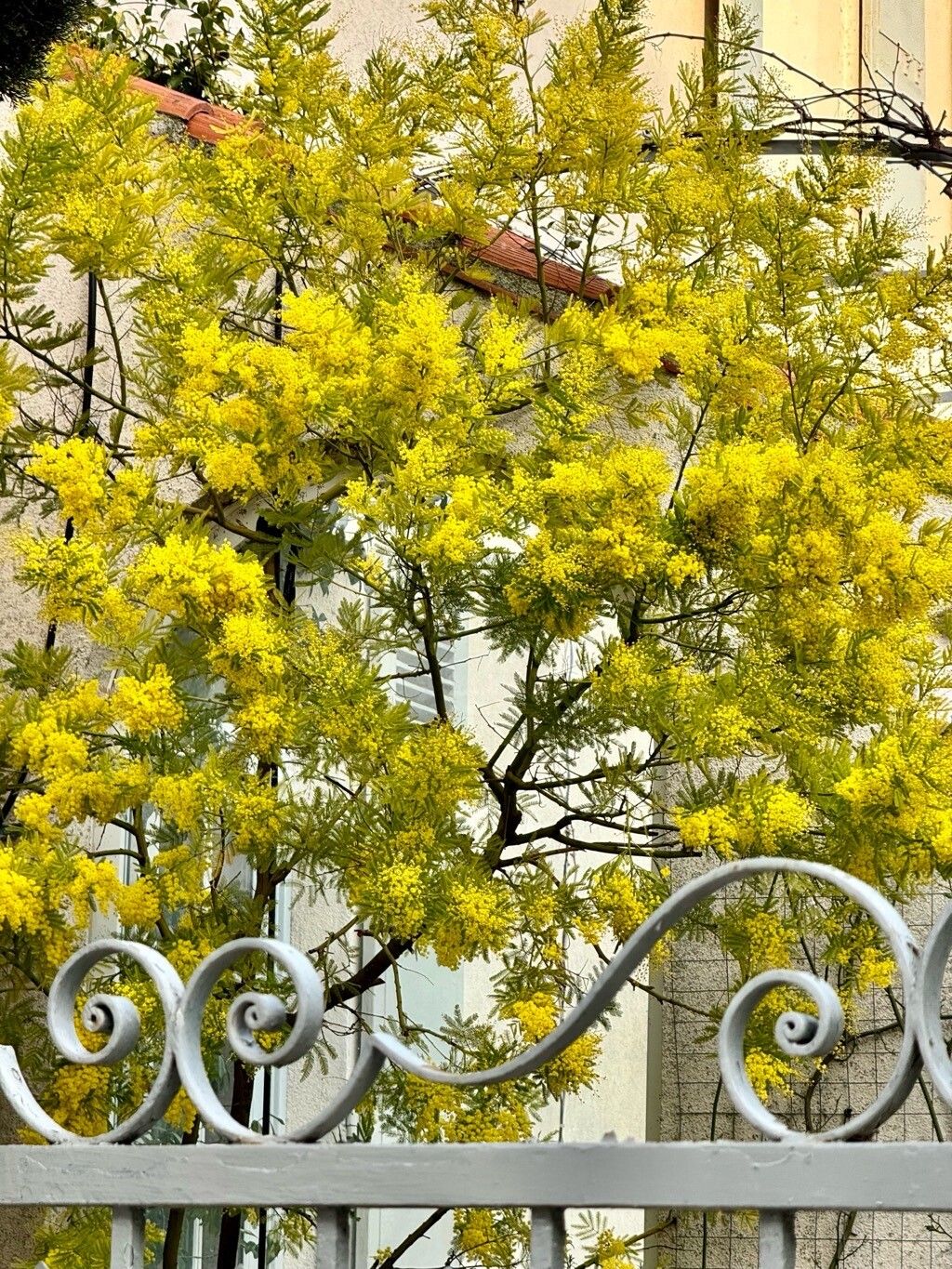
Hey there, fellow garden enthusiasts! Today, we’re going to chat about a tree that brings such a lovely splash of green and, if you’re lucky with the blooms, a burst of sunny yellow to our landscapes – the Acacia decurrens, or Black Wattle as it’s sometimes called. I’ve been growing and propagating all sorts of plants for two decades now, and there’s something incredibly satisfying about nurturing a new life from a little cutting or seed. Acacia decurrens can be a smidge fussy, but with a few pointers, it’s definitely a rewarding challenge, even if you’re just starting your green journey.
The Best Time to Start
When it comes to getting our Acacia decurrens propagation party started, I find that late spring to early summer is your golden ticket. This is when the plant is actively growing after its winter rest and before the intense heat of midsummer can stress things too much. We’re looking for healthy, semi-hardwood stems – not the super soft new growth, but not the old, woody stuff either. Think of it as that perfect “pencil-thick” stage of growth.
Supplies You’ll Need
Before we get our hands dirty, let’s gather our tools. Having everything ready makes the process so much smoother.
- Sharp Pruning Shears or a Craft Knife: For clean cuts.
- Rooting Hormone: Crucial for encouraging those stubborn roots to form. I prefer a powdered type for stem cuttings.
- Well-Draining Potting Mix: A good blend is key. I usually mix approximately 50% perlite or coarse sand with 50% peat moss or coco coir. Avoid heavy garden soil.
- Small Pots or Propagation Trays: Clean pots are essential to prevent disease.
- Clear Plastic Bags or a Propagator: To create a humid environment for cuttings.
- Watering Can or Spray Bottle: For gentle watering.
- Labels and a Marker: To keep track of what you’ve propagated!
- Optional: Heating Mat: This can make a big difference, especially if your propagation area is on the cooler side.
Propagation Methods
Acacia decurrens can be a bit tricky from cuttings, so patience is your best friend. Here’s how I usually tackle it:
Stem Cuttings
This is my go-to for many woody plants.
- Take your cuttings: In late spring or early summer, select healthy, semi-hardwood stems. Using your clean shears, cut lengths that are about 4-6 inches long. Make the cut just below a leaf node (where the leaves attach to the stem).
- Prepare the cuttings: Gently remove the lower leaves from the cutting, leaving just a couple at the very top. This prevents them from rotting in the soil.
- Apply rooting hormone: Dip the cut end of the stem into your rooting hormone, tapping off any excess.
- Insert into the mix: Make a small hole in your prepared potting mix with a pencil or your finger. Gently insert the cutting into the hole, making sure the rooting hormone stays on the cut end. Firm the soil around the stem.
- Water and cover: Water the pot gently to settle the soil. Then, cover the pot loosely with a clear plastic bag or place it in a propagator. This creates a mini-greenhouse, trapping humidity, which is vital for cuttings. Make sure the plastic doesn’t touch the leaves.
Water Propagation (Less Common, But Worth a Try)
While not my first choice for Acacia decurrens, you can try this with softer, newer growth if you’re feeling adventurous.
- Take cuttings: As described above, take 4-6 inch cuttings from younger, more pliable stems. Remove lower leaves.
- Place in water: Pop the cuttings into a clean jar or vase filled with fresh water. Ensure the leaf nodes are submerged, but the leaves themselves are above the water line.
- Change water regularly: Change the water every few days to keep it fresh and prevent bacterial growth.
- Positioning: Place the jar in a bright spot, but out of direct, harsh sunlight.
The “Secret Sauce” (Pro Tips)
Having done this a few times, I’ve picked up a few tricks that can really boost your success rate.
- The Bottom Heat Revelation: If you’re using stem cuttings, bottom heat is your best friend. Placing your pots on a heating mat set to a gentle 70-75°F (21-24°C) encourages root development much faster than relying on ambient air temperature alone. It mimics the warmth of the soil when seeds germinate.
- Cleanliness is King: I stress this a lot, but it’s so important! Always use clean pots, clean tools, and fresh potting mix when propagating. Any lingering pathogens can quickly wipe out your precious cuttings.
- Don’t Rush the Transplant: With stem cuttings, wait until you see good root development before trying to transplant them. You can gently tug on the cutting – if there’s resistance, you likely have roots. Or, if you’re brave, carefully tip the pot out to check.
Aftercare & Troubleshooting
Once your Acacia decurrens cuttings have shown signs of life – usually new leafy growth – it’s time for TLC.
- Gradual Acclimatization: As soon as you see roots, slowly begin to acclimatize your cuttings to normal humidity. Gradually open the plastic bag or propagator over a week or so.
- Watering: Continue to keep the soil consistently moist but not waterlogged. Overwatering is the quickest way to invite rot.
- Light: Move your rooted cuttings to a bright, but not direct, sunlit location. Think of a spot where they would get morning sun but be shaded from the hot afternoon rays.
- Troubleshooting Rot: The most common issue is rot. If you see stems turning black and mushy, or if the cuttings simply wilt and die without any signs of rooting, it’s usually a sign of too much moisture, poor drainage, or lack of air circulation. If you’re using a propagator, make sure to ventilate it daily.
Wrap Up
There you have it! Propagating Acacia decurrens might take a little finesse, but the reward of creating something new from a piece of an existing plant is truly special. Don’t get discouraged if your first few attempts don’t work out – think of it as learning. Keep trying, observe your plants, and most importantly, enjoy the journey of bringing more green into the world! Happy propagating!
Resource:
https://identify.plantnet.org/k-world-flora/species/Acacia%20decurrens%20(J.C.Wendl.)%20Willd./data