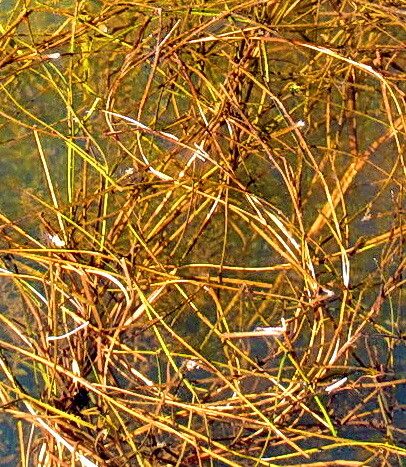
Hey there, fellow plant enthusiasts! I’m so excited to chat with you today about a truly special aquatic gem: Stuckenia filiformis, also known as slender pondweed. If you’re looking for a graceful, wild-looking addition to your water garden or even an interesting specimen for an aquarium setup, this is your plant! Its delicate, thread-like foliage adds such a lovely texture and movement. And the best part? Propagating it is a wonderfully rewarding experience, showing you firsthand how nature works its magic. Now, is it a beginner’s plant to propagate? I’d say it’s reasonably straightforward, especially once you get a feel for its needs. Let’s dive in!
The Best Time to Start
For the most successful propagation of Stuckenia filiformis, the sweet spot is when the plant is in its active growth phase. This generally means late spring through summer. You’ll notice new shoots and vigorous growth during these warmer months. Trying to propagate when the plant is dormant or stressed just won’t give you the best results. Think of it like asking a sleepy bear to run a marathon – it’s not going to happen!
Supplies You’ll Need
Gathering your supplies before you begin is always a good idea. It makes the whole process much smoother. Here’s what you’ll want to have on hand:
- Sharp pruning shears or scissors: Clean cuts are crucial.
- A clean container: This could be a small pot, a tray with compartments, or even a clear plastic cup for water propagation.
- Substrate (if not water propagating): A well-draining potting mix is good. For aquatic plants, a little sand mixed with a base nutrient-rich substrate can work wonders.
- Water: Non-chlorinated water is best, especially if you’re using tap water. Let it sit out for 24 hours to allow chlorine to dissipate, or use rainwater or distilled water.
- Rooting hormone (optional): For stem cuttings, this can give an extra boost, but Stuckenia filiformis is often quite eager to root on its own.
- A sunny windowsill or bright indirect light: Where your propagation station will live.
- A small pebble or weight (optional): To help keep cuttings submerged.
Propagation Methods
Stuckenia filiformis is a forgiving plant and can be propagated through a couple of methods. I find both to be pretty effective!
1. Stem Cuttings: This is my go-to method for its simplicity and speed.
- Find a healthy stem: Look for a young, vigorous stem that’s at least 4-6 inches long.
- Make a clean cut: Using your sharp shears, make a clean cut just below a leaf node (where a leaf attaches to the stem). Try to get a section with a few nodes.
- Prepare the cutting: You can gently remove the lower leaves if they are very crowded, but for Stuckenia filiformis, the fine leaves often don’t cause too much trouble.
- Plant it:
- For in-water propagation: Simply place the cutting directly into a clean jar or container of non-chlorinated water. Make sure the lower nodes are submerged. You can place a small pebble on top of the cut end to help anchor it if needed.
- For substrate propagation: Gently press the cut end into your prepared substrate. You want the lower nodes to be covered by the substrate.
2. Division: If you have a larger, established clump of Stuckenia filiformis, division is a great option.
- Gently remove the plant: Carefully lift the entire plant from its container.
- Separate the roots: Loosen the root ball and gently pull apart sections of the plant. You’re looking for individual shoots with their own root system.
- Replant: Immediately replant the divided sections into suitable containers or back into your water garden.
The “Secret Sauce” (Pro Tips)
You know, after years of wrestling with plants and coaxing them into growing, a few little tricks emerge that just work. Here are a couple I’ve picked up for Stuckenia filiformis:
- Oxygen is key for water propagation: While it might seem counterintuitive, giving your Stuckenia filiformis cuttings a bit of air circulation can prevent rot. I often find that a slightly wider-mouthed container allows for better gas exchange than a very narrow necked vase. And if you’re using a plastic cup, changing the water every few days helps too.
- Avoid overcrowding your initial cuttings: When you’re starting off, resist the urge to cram too many cuttings into one small container. Give them a little space to breathe and grow. This reduces competition and the risk of them spreading any potential issues to each other.
- Consider a gentle bottom heat: If you’re propagating in substrate and your environment is a bit cooler, a propagation mat can significantly speed up root development. It mimics the warmer substrate temperatures found at the bottom of ponds.
Aftercare & Troubleshooting
Once you start to see little white roots peeking out, that’s your cue to celebrate! For water-propagated cuttings, you can transplant them into a small pot filled with substrate once the roots are about an inch long. If you propagated directly in substrate, simply continue to keep the soil moist.
The most common issue you might encounter is rot, which often shows up as black, mushy stems. This is usually a sign of too much moisture and not enough air circulation, or using water that’s too cold. If you spot rot, immediately remove the affected portion and try to improve air flow around the remaining healthy cuttings. Don’t be disheartened if a cutting doesn’t make it; it’s all part of the learning process!
A Gentle Closing
Propagating Stuckenia filiformis is a beautiful way to expand your collection and connect with the natural world. Be patient with your new plant babies. They need time to establish themselves, just like we do! Enjoy the quiet satisfaction of watching a tiny cutting transform into a thriving new life. Happy propagating!
Resource:
https://identify.plantnet.org/k-world-flora/species/Stuckenia%20filiformis%20(Pers.)%20Börner/data