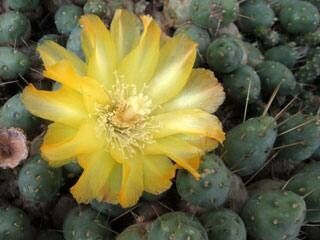
Hello there, fellow plant enthusiasts! It’s wonderful to be sharing some garden wisdom with you today. If you’ve ever encountered Maihueniopsis glomerata, you know it’s a cactus that just begs to be multiplied. Its charming, segmented stems slowly unfurl, creating a delightful, almost fuzzy texture that’s truly unique. And the reward of coaxing a new life from an existing one? It’s simply unparalleled in my book.
Now, I won’t lie to you. While I adore Maihueniopsis glomerata, propagating it isn’t always a walk in the park, especially for brand new gardeners. It’s more of a moderately challenging plant, but with a little care and attention, you absolutely can succeed. Think of it as a slightly more discerning houseguest – worth the effort!
The Best Time to Start
My go-to time for trying my hand at propagating Maihueniopsis glomerata is during its active growing season. For most of us, that’s late spring or early summer. You want the plant to be vibrant and full of energy. Trying to propagate when it’s dormant, or stressed, is like asking someone to run a marathon after a long illness – not ideal for success! Look for healthy, plump segments that seem ready to burst with life.
Supplies You’ll Need
Here are the essential tools to have on hand before we get our hands dirty:
- Sharp, clean pruning shears or a sharp knife: For making precise cuts.
- Rooting hormone powder (optional, but recommended): This can give your cuttings a helpful boost.
- Well-draining potting mix: A cactus and succulent mix is perfect, or you can create your own by combining regular potting soil with perlite or coarse sand.
- Small pots or seed trays: Something with drainage holes is crucial.
- A spray bottle: For gentle watering.
- A warm, bright location: Think a sunny windowsill or a greenhouse.
Propagation Methods
We’ll focus on two of the most reliable methods for Maihueniopsis glomerata:
Stem Cuttings
This is my favorite approach for this particular cactus. It’s straightforward and often very effective.
- The Cut: Using your clean shears or knife, select a healthy, mature stem segment that looks firm. Make a clean cut right where the segment joins another. You can take segments of varying lengths, but aim for pieces that are at least a few inches long.
- The Callousing: This is a CRITICAL step for cacti! Lay your cuttings on a dry surface in a bright, well-ventilated spot for 2-5 days, or even up to a week. You want the cut end to dry out and form a protective callous. This prevents rot from setting in when you plant it.
- The Planting: Once calloused, you can choose to use rooting hormone. Dip the calloused end into the powder, tapping off any excess. Then, gently insert the calloused end about an inch or so deep into your prepared, dry potting mix. Make sure the segment has something to lean on if it’s top-heavy. Water lightly after planting, or wait a day or two to moisten the soil.
Division
If your Maihueniopsis glomerata has grown into a clump, division is another excellent option.
- Excavation: Carefully remove the entire plant from its pot. Gently brush away as much of the old soil as you can from the root ball.
- The Separation: You’ll likely see multiple stem segments and roots clustered together. Using your fingers or a clean knife, carefully separate the clump into smaller sections. Aim for sections that have both roots and healthy stem segments. Don’t be afraid if a few roots break – it’s part of the process.
- The Re-potting: Allow the cut or broken root ends to air dry for a day or two, similar to the callousing step for cuttings. Then, plant each divided section into its own pot filled with your well-draining mix. Water lightly after planting.
The “Secret Sauce” (Pro Tips)
Here are a couple of little tricks of the trade I’ve picked up over the years:
- Avoid direct water contact: When you water your cuttings or divisions, try to water the soil directly, not the plant itself. Especially with stem cuttings, you don’t want the calloused end sitting in a puddle, which can encourage rot. A gentle spray or watering the soil from the edges of the pot are good methods.
- Embrace warmth: While light is important, a bit of gentle warmth from underneath can significantly speed up root development. If you have a seedling mat designed for plants, place your pots on it. This mimics the natural warmth of the soil in their native habitat and gives your cuttings a real boost.
Aftercare & Troubleshooting
Once your new little Maihueniopsis glomerata has established, transitioning from cuttings to divisions, it’s time for a gentle pampering.
Watering: Water only when the soil feels completely dry to the touch. Overwatering is the number one killer of cacti, especially young ones. It’s always better to err on the side of underwatering.
Light: Provide bright, indirect light. Direct, scorching sun can be too intense for brand new, unrooted plants.
Signs of Success: You’ll know you’re on the right track when you see new growth appearing on your cuttings or divisions. This might be tiny new pads forming, or the segment itself looking plumper and more vibrant.
Troubleshooting: The most common issue you’ll encounter is rot. If a cutting turns mushy, black, or dissolves, it’s likely rot. This usually happens because the callous didn’t form properly, or the plant was kept too wet. If you see rot developing, immediately remove the affected part with a clean knife and try to let the remaining healthy part dry out thoroughly. If entire plants fail, don’t get discouraged. Learn from it, adjust your method, and try again!
Happy Propagating!
Growing new plants is such a wonderful journey. It requires patience, a little observation, and a lot of love. Your Maihueniopsis glomerata cuttings will take their time responding, so be kind to yourself and enjoy the quiet anticipation. Before you know it, you’ll have a beautiful collection of these fascinating cacti, all thanks to your own green thumb! Happy gardening!
Resource: