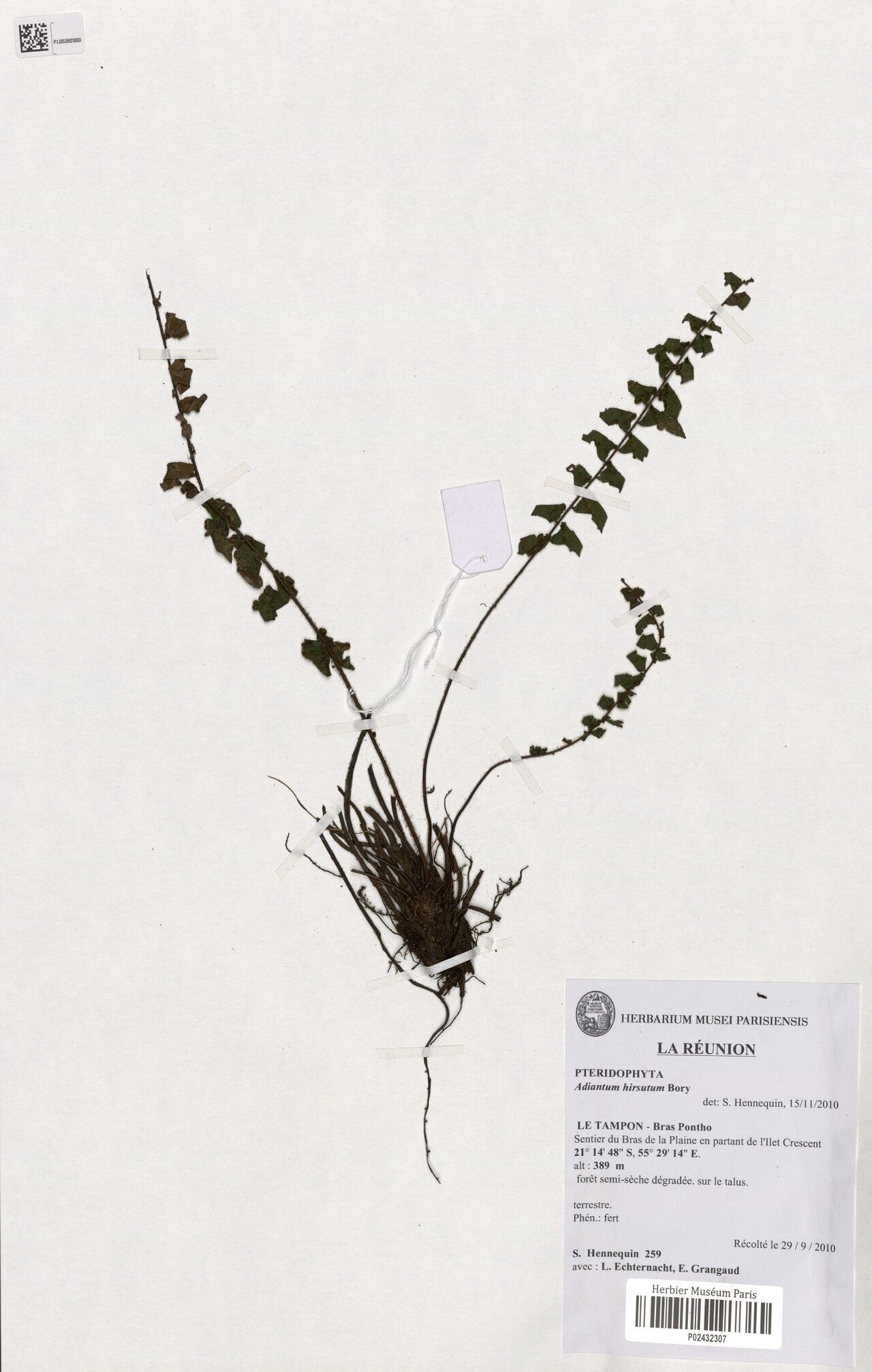
Oh, Adiantum hirsutum! That delicate, fuzzy-stemmed maidenhair fern. It’s like owning a piece of living lace, isn’t it? Their fronds unfurling with that soft, downy texture just makes my heart sing. Propagating these beauties isn’t just about getting more plants; it’s about understanding their needs, nurturing them, and witnessing that miracle of new life emerge. Now, I won’t lie, Adiantum can be a bit particular, but with a little patience and the right approach, it’s a truly rewarding experience. Think of it as a friendly challenge from nature!
The Best Time to Start
For the highest success rate with Adiantum hirsutum, I always aim for spring or early summer. This is when the plant is actively growing and has plenty of energy to put into creating new roots. You’ll see new fronds emerging, which is a great sign your fern is feeling robust and ready for a little horticultural adventure.
Supplies You’ll Need
Gathering the right tools makes the whole process so much smoother. Here’s what I keep on hand:
- Sharp pruning shears or a clean craft knife: For making clean cuts.
- Well-draining potting mix: I like a blend of peat moss, perlite, and a bit of orchid bark. You want it to hold some moisture but never be soggy.
- Small pots or propagation trays: Cleanliness is key here!
- Clear plastic bags or a propagation dome: To create a humid environment.
- Watering can or spray bottle: For gentle watering.
- Rooting hormone (optional but helpful): Especially useful for older or tougher stems.
Propagation Methods
Adiantum hirsutum is most commonly and successfully propagated through division. It’s the gentlest method for this particular fern.
Division:
- Gently remove the parent plant from its pot. Be as careful as you can with those delicate fronds.
- Inspect the root ball. Look for natural divisions where new shoots are emerging from the rhizomes. You want to find sections that already have a good clump of roots attached.
- Using your clean hands or a blunt tool (like the handle of your trowel), carefully tease apart the root ball into smaller sections. If a division is stubborn, you might need to use your pruning shears or craft knife to make a clean cut through the rhizome, ensuring each new piece has roots and at least one or two healthy-looking fronds.
- Pot up each division into its own small pot filled with your well-draining potting mix. Plant them at the same depth they were growing before.
The “Secret Sauce” (Pro Tips)
Here are a couple of things I’ve learned over the years that often make a big difference:
- Mimic the rainforest floor: Adiantum loves high humidity. Once you’ve potted your divisions, cover the pots with a clear plastic bag or place them under a propagation dome. This traps moisture and creates that humid microclimate they adore. Just be sure to open the bag or dome for a few minutes every day to allow for air circulation and prevent fungal issues.
- Consistent moisture, not soggy: This is crucial. The potting mix should be consistently moist but never waterlogged. I like to check the soil with my finger. If the top half-inch feels dry, it’s time to water gently. Avoid letting the pots sit in saucers of water.
Aftercare & Troubleshooting
Once your divisions are potted, keep them in a bright, indirect light location. Direct sunlight will scorch those tender new fronds. The covered environment will keep humidity high, encouraging root development.
Common Signs of Trouble and How to Handle Them:
- Wilting fronds: This could mean it’s too dry, or the plant is stressed from the division. Ensure consistent moisture and the humid environment. If it’s very dry, a gentle misting might help.
- Yellowing leaves: This often means too much light or the soil is too wet, leading to root rot. Check your watering habits and move it to a shadier spot if needed.
- Fungal growth (fuzzy white bits): This is a sign of too much stagnant moisture and poor air circulation. Immediately remove any affected parts, ensure you’re airing out the covered environment daily, and consider a gentle fungicide if it persists.
A Encouraging Closing
Propagating Adiantum hirsutum is a journey, and like any good journey, it requires patience. Don’t get discouraged if things don’t look perfect overnight. Keep providing that gentle care, that lovely humidity, and watch as your new little ferns begin to thrive. It’s one of the most rewarding feelings in gardening, seeing those delicate fronds unfurl, knowing you helped bring them to life. Happy growing!
Resource:
https://identify.plantnet.org/k-world-flora/species/Adiantum%20hirsutum%20Bory/data