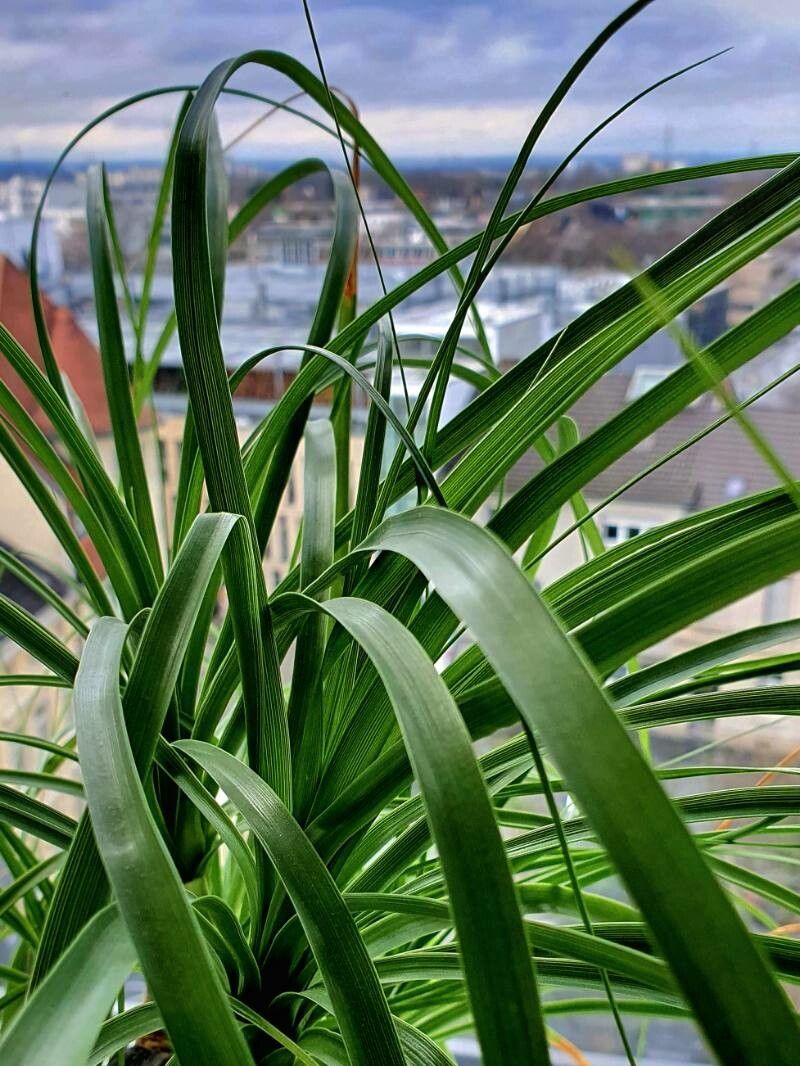
Hello there, fellow plant lovers! It’s so good to have you join me today. We’re going to talk about a plant that’s captured so many hearts, mine included: the spectacular Beaucarnea recurvata, also known as the Ponytail Palm or Elephant Foot Tree.
The Allure of the Ponytail Palm
I’ve always been drawn to the Beaucarnea’s unique charm. That wonderfully swollen trunk, reminiscent of an elephant’s foot, and those graceful, cascading leaves – it’s like a living sculpture! What’s even more wonderful is that propagating them is absolutely doable. While it can be a little slower than some plants, seeing a tiny trunk emerge from a cutting or a division is a deeply satisfying gardening victory. It’s not the easiest plant for a complete beginner to propagate, but with a little care and patience, you’ll be well on your way to success.
When to Strike Gold: The Best Time to Start
For the highest chance of success, spring is your best friend. As the days get longer and the temperatures gently rise, Beaucarnea recurvata is waking up and getting ready to grow. This renewed vigor means it’s more receptive to propagation efforts. Aim to take cuttings or divide plants in the late spring, after any risk of frost has passed.
Gathering Your Garden Arsenal
Before we dive into the methods, let’s make sure you have everything you need. A well-prepared gardener is a successful gardener!
- Sterile Pruning Shears or a Sharp Knife: Cleanliness is paramount to avoid introducing diseases.
- Rooting Hormone (Optional but Recommended): This can significantly speed up root formation and improve success rates. For Beaucarnea, a powder or gel works well.
- Well-Draining Potting Mix: A cactus or succulent mix is ideal. You can also make your own by combining potting soil with perlite or coarse sand (about a 50/50 ratio).
- Clean Pots: Choose pots with drainage holes. Terracotta pots are great because they breathe.
- Watering Can or Spray Bottle: For gentle watering.
- Patience! This is the most important tool you’ll bring to the table.
Bringing New Life: Propagation Methods
Beaucarnea recurvata can be propagated by two main methods: stem cuttings and division.
Stem Cuttings: Creating Mini-Giants
This method is for when your plant has grown a bit leggy or has produced side shoots.
- Choose your cutting: Look for a healthy stem that’s at least 6-8 inches long. You want a section that has some leaves at the top.
- Make the cut: Using your sterilized shears or knife, make a clean cut just below a leaf node.
- Allow to callous: This is a crucial step! Let the cut end of the stem air dry for several days to a week in a warm, dry spot. You want the cut surface to form a dry, protective scab, or “callous.” This prevents rot.
- Apply rooting hormone: Once calloused, dip the calloused end into your rooting hormone, tapping off any excess.
- Pot it up: Plant the calloused and hormonal end about 2-3 inches deep into your prepared well-draining soil. Make sure the leaves aren’t buried.
- Water sparingly: Give it a gentle water, then let the soil dry out between waterings. Avoid overwatering at all costs!
- Find the right spot: Place the pot in a bright location with indirect sunlight.
Division: Splitting Your Success
If your Beaucarnea is mature and has produced smaller plantlets at its base, division is a fantastic choice.
- Remove from pot: Gently ease the entire plant out of its pot.
- Clean the roots: Gently brush away as much of the old soil as possible to clearly see where the divisions are.
- Identify divisions: Look for smaller plants that are attached to the main trunk or root system. They usually have their own base and leaves.
- Separate carefully: Using a sharp, clean knife or trowel, carefully slice through the root system to separate the division from the mother plant. Try to keep as many roots attached to the division as possible.
- Let them callous (important!): Just like with stem cuttings, allow the cut surfaces on both the mother plant and the division to air dry and callous over for a few days.
- Pot them up: Pot the divisions in their own pots with well-draining soil.
- Water and place: Water them lightly and place them in a bright spot with indirect light, just like you would a cutting.
The “Secret Sauce”: My Insider Tips
After years of nurturing these beauties, I’ve picked up a few tricks that always seem to make a difference.
- Think “dry”: Ponytail Palms are desert dwellers, and their propagated bits are no different. Err on the side of underwatering. Soggy soil is the fastest way to rot. Let the soil dry out almost completely between waterings.
- Bottom heat is magic: If you can, place your pots on a heat mat designed for plant propagation. A consistent, gentle warmth from below really encourages those roots to take hold. You can often find these online or at garden centers.
Nurturing the New Sprouts: Aftercare & Troubleshooting
Once you start to see signs of new leaf growth, congratulations! That’s a good indicator that roots are forming.
- Gradual watering: Begin to water a little more regularly, but still allowing the soil to dry out significantly between waterings.
- Introduce more light: As the new plant strengthens, you can gradually introduce it to brighter, indirect light.
- Signs of trouble: The most common issue is rot. If you see the stem or base turning soft, mushy, or black, it’s likely rot. Sadly, this is often irreversible. The best prevention is to avoid overwatering. If you think you caught it early, you might try repotting in fresh, dry soil.
Grow On, Little Palm!
Propagating Beaucarnea recurvata is such a rewarding adventure. It takes a bit of patience, sure, but the joy of watching a new plant emerge and grow is truly special. Don’t be discouraged if your first attempt doesn’t go perfectly. Gardening is a journey of learning and experimentation. So gather your supplies, find that perfect stem, and enjoy the process! You’ve got this.
Resource: