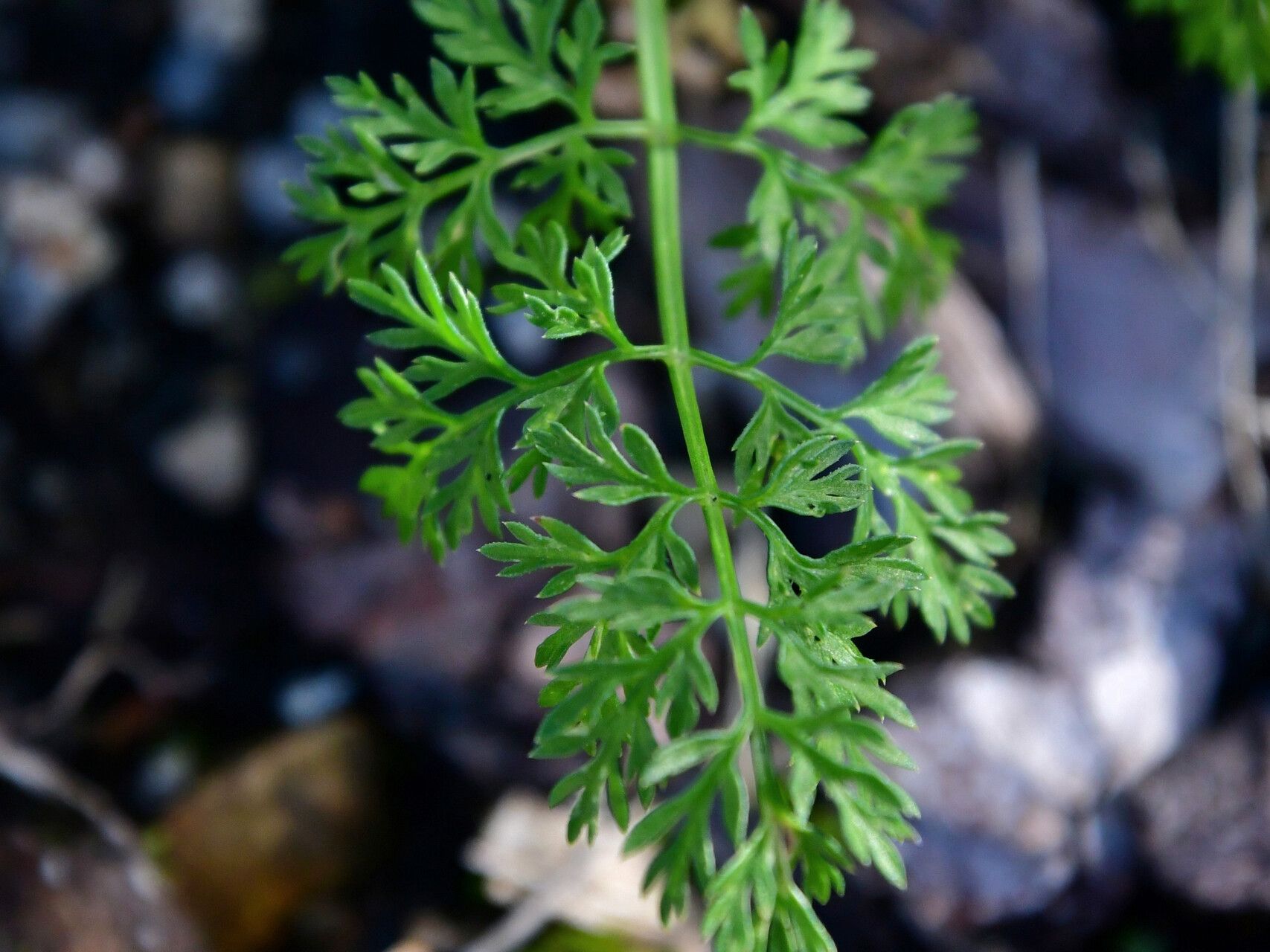
Oh, hello there! Come on in, pull up a chair. I’ve got a fresh pot of coffee brewing, and I was just thinking about how much I adore Orlaya grandiflora, or as many of us affectionately call it, white lace flower. Those delicate, frothy blooms are just pure magic in the garden, aren’t they? They dance on the breeze like a cloud of pure white confetti, and they’re just so incredibly generous with their flowers.
Now, if you’re looking to fill more of your garden beds with this airy beauty, or share some with a friend, you’re in luck. Propagating Orlaya grandiflora is a wonderfully rewarding process, and I’m genuinely excited to share how I do it. For beginners? Honestly, I’d say it’s quite approachable. We’ll get you sorted!
The Best Time to Start
Timing is everything in gardening, and for our lovely lace flower, the best time to think about propagation is generally in the spring. This is when the plant is really waking up and bursting with energy. You can also have success with sowing seeds in late summer or early autumn for blooms the following spring, or directly outdoors in early spring as soon as the soil can be worked. If you’re looking to take cuttings, spring is also ideal, as new growth is abundant.
Supplies You’ll Need
Here’s what you’ll want to have on hand to get started. It’s not much, really!
- Seed-starting mix: A light, well-draining mix is crucial.
- Small pots or seed trays: Clean ones, please!
- Rooting hormone (optional but helpful): I like a powder for stem cuttings.
- Pruning shears or a sharp knife: For clean cuts.
- Watering can with a fine rose: Gentle watering is key.
- Labels: Your future self will thank you!
- A sunny windowsill or a propagation mat: For warmth and light.
Propagation Methods
Orlaya grandiflora is pretty straightforward to propagate from seed, and I find it’s the most accessible method for most gardeners. Stem cuttings can be a bit trickier, but we can certainly give it a whirl!
From Seed (My Favorite!)
This is where the magic truly happens for Orlaya.
- Sow your seeds: Fill your pots or trays with the seed-starting mix. Moisten it thoroughly, but don’t make it soggy.
- Plant the seeds: Sow seeds about ¼ inch deep. Space them a couple of inches apart. You can start them indoors about 4-6 weeks before your last expected frost. Or, for the easiest path, direct sow them outdoors in spring or fall once the soil is workable. They actually benefit from a bit of cold stratification, so winter sowing works wonderfully.
- Water gently: Use your fine rose watering can to give them a good but gentle drink.
- Provide warmth and light: Place them on a sunny windowsill or use a propagation mat to keep the soil consistently warm, around 65-70°F (18-21°C).
- Be patient: Germination can take anywhere from 10 days to 3 weeks. Keep the soil consistently moist.
- Transplant carefully: Once your seedlings have a few sets of true leaves and are strong enough to handle, harden them off gradually before planting them in their final garden spot. Orlaya doesn’t love being disturbed too much, so try to transplant them with a good clump of soil.
From Stem Cuttings (A Bit More Advanced)
This method is best attempted in late spring or early summer when the plant is actively growing.
- Take your cuttings: Select a healthy, non-flowering stem. Using your clean pruners, cut a piece about 4-6 inches long, just below a leaf node.
- Prepare the cutting: Remove the lower leaves, leaving only the top few. This prevents them from rotting in the soil.
- Apply rooting hormone: Dip the cut end into your rooting hormone, tapping off any excess.
- Pot it up: Prepare a small pot with your seed-starting mix. Make a hole in the center with a pencil or your finger.
- Insert the cutting: Place the prepared end of the cutting into the hole and gently firm the soil around it. Water very lightly.
- Create a humid environment: You can cover the pot with a clear plastic bag or place it in a mini-greenhouse. Make sure the leaves don’t touch the plastic.
- Provide warmth and indirect light: Place the pot in a warm spot with bright, indirect light. Avoid direct sun, which can scorch the young cutting.
- Check for roots: It can take several weeks. Gently tug on the cutting; if there’s resistance, you have roots!
The “Secret Sauce” (Pro Tips)
There are a few little tricks I’ve learned over the years that really make a difference.
- Don’t be afraid of the cold: Orlaya grandiflora seeds actually benefit from a period of cold. If you’re sowing indoors early, a few weeks in colder conditions before planting out can boost germination. And as I mentioned, winter sowing directly outdoors is fantastic for this plant.
- Bottom heat is your friend (for cuttings): If you’re trying stem cuttings, a propagation mat that provides gentle bottom heat significantly speeds up root development. It mimics the warm soil that encourages roots to form.
Aftercare & Troubleshooting
Once your little Orlaya babies have taken root, congratulations!
- Watering: Continue to water gently. Allow the soil to dry out slightly between waterings. Overwatering is the surest way to invite rot.
- Light: Gradually introduce them to more direct sunlight as they grow stronger.
- Fertilizing: Once they’re a few inches tall and well-established, you can give them a diluted, balanced liquid fertilizer once a month during the growing season.
Now, what if things go wrong? The most common issue you’ll see, especially with cuttings, is rot. If a stem cutting turns mushy and black, it’s likely rotted. This usually means it was too wet, not enough air circulation, or not enough bottom heat. Don’t despair! Just discard the rotted cutting and try again. With seedlings, damping off (a fungal disease that causes seedlings to collapse at the soil line) can happen if the soil is too wet and air circulation is poor. Ensure good drainage and avoid overwatering.
A Encouraging Closing
There you have it! Propagating Orlaya grandiflora is such a satisfying way to bring more of that airy, ethereal beauty into your garden. Be patient with the process, enjoy the quiet moments of observation, and remember that even experienced gardeners have their failures. Each attempt is a learning opportunity. Now, go forth and grow! I can’t wait to hear about your lace flower success.
Resource:
https://identify.plantnet.org/k-world-flora/species/Orlaya%20grandiflora%20(L.)%20Hoffm./data