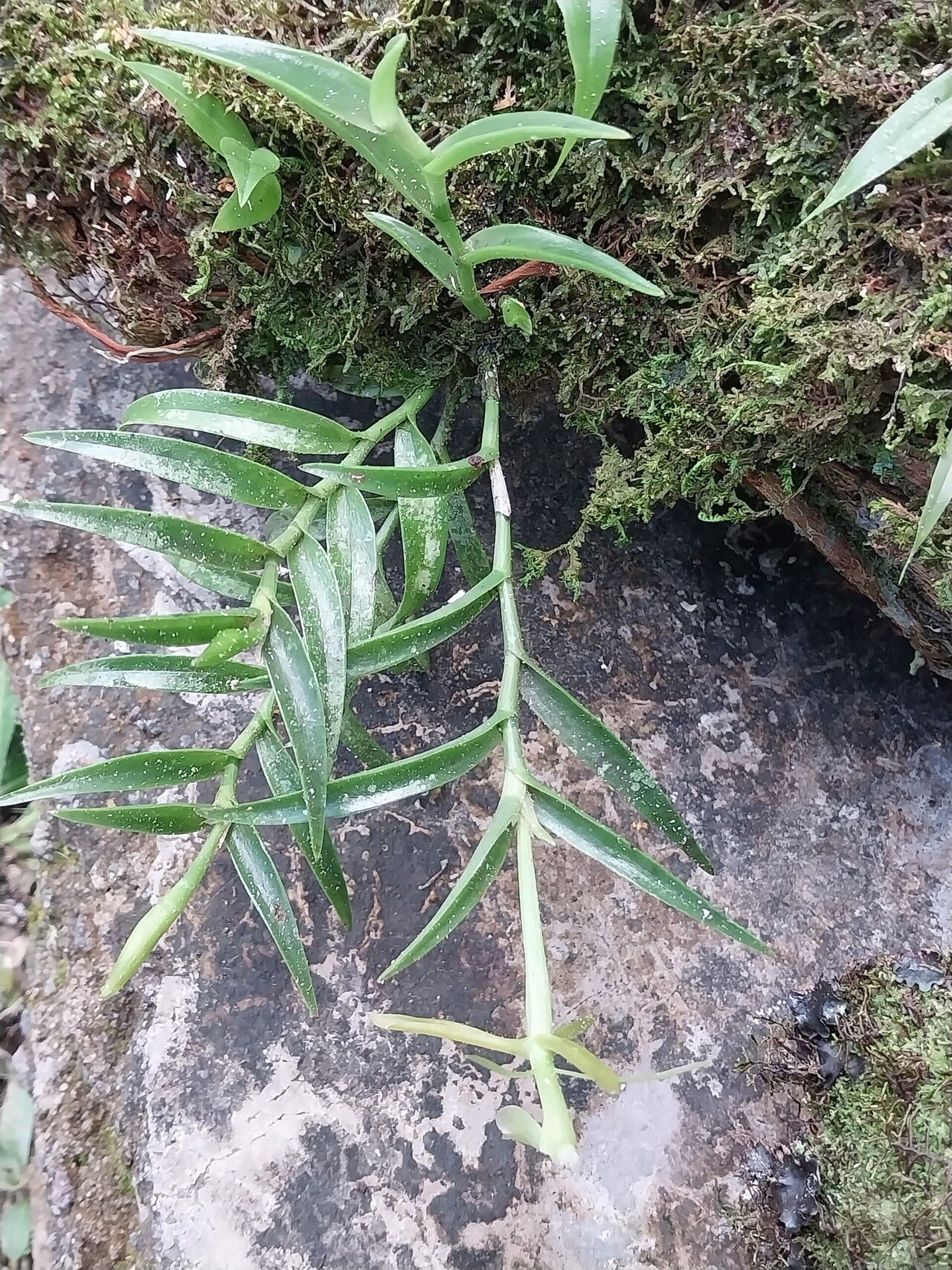
Oh, Epidendrum atwoodii! If you’ve ever seen this beauty gracing a windowsill or a greenhouse, you’ll know what I mean. Its vibrant colors and elegant blooms are truly a sight for sore eyes. And the best part? Sharing that beauty is surprisingly achievable! Propagating Epidendrum atwoodii is a wonderfully rewarding way to multiply your collection or share these gems with fellow plant lovers. For beginners, it’s definitely a manageable project, especially if you get a few things right.
The Best Time to Start
Timing is everything, isn’t it? For Epidendrum atwoodii, I find the spring and early summer are your absolute best friends. This is when the plant is actively growing and has a good reserve of energy. You want to catch it in that enthusiastic spurt of new growth, not when it’s feeling a bit sleepy. Look for stems that are firm and have developed at least a few sets of healthy leaves.
Supplies You’ll Need
Gathering your tools beforehand makes the whole process smoother. Here’s what I usually have on hand:
- Sharp Pruning Shears or a Clean Knife: Essential for making clean cuts. Sterilize them with rubbing alcohol beforehand!
- Orchid Bark Mix: A well-draining blend specifically for orchids is key. You can get mixes with perlite and charcoal.
- Sphagnum Moss: Great for holding a bit of moisture around developing roots.
- Clear Plastic Cups or Small Pots: For starting your cuttings.
- Rooting Hormone (Optional but Recommended): Helps encourage root development. Look for one formulated for orchids or cuttings.
- Spray Bottle: For misting.
- Patience: The most important tool of all!
Propagation Methods
Let’s get our hands dirty! Stem cuttings are my go-to for Epidendrum atwoodii.
Stem Cuttings:
- Locate a healthy stem. Look for a stem that has at least two to three nodes. Nodes are those little bumps where leaves emerge.
- Make a clean cut. Using your sterilized shears or knife, cut the stem about an inch below a node. You can take several cuttings from a mature plant.
- Remove lower leaves. Gently peel away the lowest one or two leaves. This exposes the node and gives you a starting point for roots.
- Dip in rooting hormone (if using). Lightly dip the cut end into your rooting hormone powder, tapping off any excess.
- Plant your cutting. Fill your clear plastic cup or small pot with your orchid bark mix. Make a small hole in the center and place the cut end of your stem into the mix. Gently firm the bark around the stem for support. Make sure those nodes without leaves are buried to encourage rooting.
- Water gently. Water the mix thoroughly, allowing excess water to drain.
The “Secret Sauce” (Pro Tips)
Here are a couple of little tricks I’ve picked up over the years:
- Don’t Drown It! Orchids hate soggy feet. While you want the mix to be moist, never let it sit in water. Excellent drainage is paramount. If using a cup, make sure it has drainage holes.
- Warmth Encourages Growth. A little warmth can really speed things up. Placing your pots on a heat mat designed for plants can give your cuttings that extra boost they need to start developing roots. I’ve found a consistent bottom heat of about 70-75°F (21-24°C) makes a noticeable difference.
- Humidity is Your Friend. Newly formed roots are delicate. I often pop my cuttings into a small propagation dome or a plastic bag tented over the pot. This keeps the humidity high around the leaves, reducing stress while the roots are forming. Just make sure to open it for a few minutes each day to allow for air circulation and prevent fungal issues.
Aftercare & Troubleshooting
Once your cuttings are planted, find them a spot with bright, indirect light. Misting the surface of the bark every few days should keep things adequately moist, but always check by poking your finger in. If the bark feels dry an inch down, it’s time for a light watering.
You’ll know your cutting is happy when you start to see new leaf growth or, if you’re lucky, tiny white roots poking out of the drainage holes. This can take anywhere from a few weeks to a couple of months, so don’t fret if it’s not immediate!
The biggest challenge you’ll face is rot. If your cutting starts to look mushy, yellow, or black at the base, it’s usually a sign of too much moisture and poor air circulation. Unfortunately, a rotting cutting is often beyond saving, but it’s a valuable lesson. Make a note of what might have gone wrong – too much water, not enough warmth, or maybe the cutting was unhealthy to begin with.
A Encouraging Closing
Propagating these beauties is a journey, and every gardener knows that patience is a virtue learned amongst the plants. Don’t be discouraged if your first attempt isn’t a roaring success. Each cutting offers a chance to learn and refine your technique. Enjoy the process of nurturing these new lives, and soon you’ll have a whole clan of Epidendrum atwoodii to admire! Happy growing!
Resource: