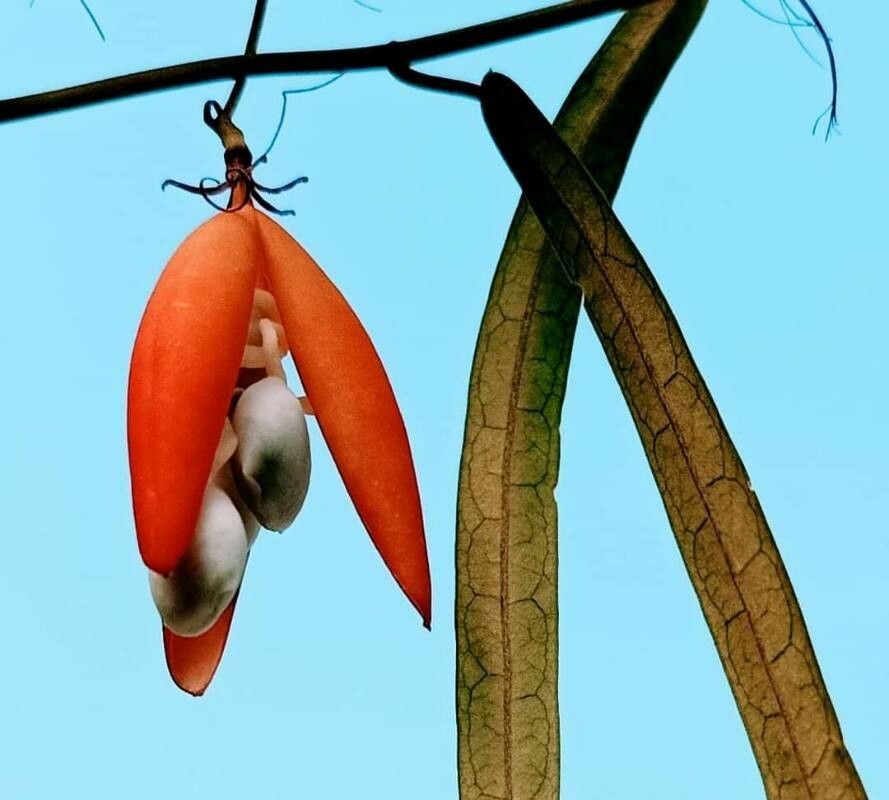
Hey there, fellow plant enthusiasts! Today, we’re diving into the wonderfully quirky world of Adenia penangiana. If you’re looking for a plant with a bit of a sculptural flair and a truly unique charm, this is it. Its swollen base, often called a caudex, and delicate vining nature make it a real conversation starter. And the best part? Growing new ones from cuttings is incredibly satisfying. While it’s not a “set it and forget it” plant when it comes to propagation, with a little care, you’ll be rewarded with new beauties to share or to expand your own collection. It’s a good project for those ready to move beyond the very basics.
The Best Time to Start
When it comes to coaxing new life from your Adenia penangiana, active growth periods are your golden ticket. Think late spring through summer. This is when the plant is energized and putting on new growth, making it more receptive to rooting. Trying to propagate from dormant wood is usually a losing game.
Supplies You’ll Need
Gathering your supplies beforehand always makes the process smoother. Here’s what I typically have on hand:
- Sharp, clean pruning shears or a sterile knife: For making clean cuts.
- Well-draining potting mix: I love a mix of cactus/succulent soil with perlite or pumice added for extra aeration.
- Rooting hormone (optional but recommended): A good quality brand can speed things up.
- Small pots or seed trays: Something that will hold the cuttings comfortably.
- Watering can with a fine rose or a spray bottle: For gentle watering.
- Plastic bag or a propagation dome: To create a humid environment.
- Labels and a marker: For keeping track of your cuttings!
Propagation Methods
Adenia penangiana is most commonly propagated from stem cuttings. It’s straightforward and usually gives great results if you follow a few key steps.
Stem Cuttings:
- Select your cutting: Look for healthy, semi-hardwood stems that are at least 4-6 inches long. Avoid very soft, new growth or old, woody stems. You want something with a bit of flexibility but not floppy.
- Make the cut: Using your clean shears or knife, make a clean cut just below a leaf node. A leaf node is where a leaf attaches to the stem. This is where the magic happens – roots are most likely to form here.
- Prepare the cutting: Gently remove any leaves from the bottom half of your cutting. This prevents them from rotting when they’re in the soil or water. You can leave 2-3 leaves at the top to help with photosynthesis.
- Apply rooting hormone (optional): Dip the cut end of the stem into rooting hormone, tapping off any excess.
- Plant your cutting: Fill your small pots or trays with your prepared well-draining mix. Make a hole with your finger or a pencil and insert the cut end of the stem about 1-2 inches deep. Gently firm the soil around the cutting.
- Water gently: Water the soil lightly until it’s evenly moist, but not waterlogged.
- Create humidity: Place a plastic bag over the pot or the entire tray, making sure it doesn’t touch the leaves too much. You can also use a propagation dome. This will create a humid microclimate, which is crucial for successful rooting.
- Provide bright, indirect light: Place your cuttings in a spot that receives bright, filtered light. Direct sun will scorch them.
The “Secret Sauce” (Pro Tips)
Here are a few things I’ve learned over the years that can really give your Adenia penangiana cuttings a boost:
- Let the Cuttings Callous: Before you plant your cuttings, I like to let them sit out of water for a day or two to let the cut end callous over. This helps prevent rot and encourages root formation. Think of it as healing a little wound.
- Bottom Heat is Your Friend: If you can, place your pots on a gentle heat mat. This might seem a bit technical, but warmth at the base of the cutting encourages root development like nothing else. It mimics how plant roots naturally grow into warmer soil.
- Don’t Be Afraid to “Torture” a Little: Sometimes, if a cutting seems to be taking ages, I’ll gently scrape a tiny sliver of the outer bark off the very bottom of the stem (just a thin layer, don’t go too deep!). This exposes more of the cambium layer, which can often encourage faster rooting. Use this tip sparingly and with caution!
Aftercare & Troubleshooting
Once your cuttings are planted, the waiting game begins! Check the moisture of the soil regularly – it should be consistently moist but never soggy. Mist the leaves occasionally if you’re not using a plastic bag or dome.
You’ll know your cutting is successful when you see new leaf growth or feel a slight tug when you gently pull on the stem. This usually takes anywhere from 4-8 weeks, sometimes longer.
The most common issue you’ll encounter is rot. If your cutting turns black and mushy at the base, it’s likely rotted. This is usually due to too much moisture and not enough air circulation. If you catch it early, you might be able to trim off the rotten part and try again with a drier setup. Damping off, where seedlings or cuttings collapse at the soil line, is also a sign of too much moisture or poor air circulation.
A Encouraging Closing
Propagating Adenia penangiana is a journey, and like any good garden project, it requires a little patience. Don’t get discouraged if your first few attempts don’t pan out perfectly. Each cutting is a learning opportunity. Enjoy the process, celebrate the small victories, and soon you’ll have a whole new batch of these fascinating plants to admire! Happy growing!
Resource: