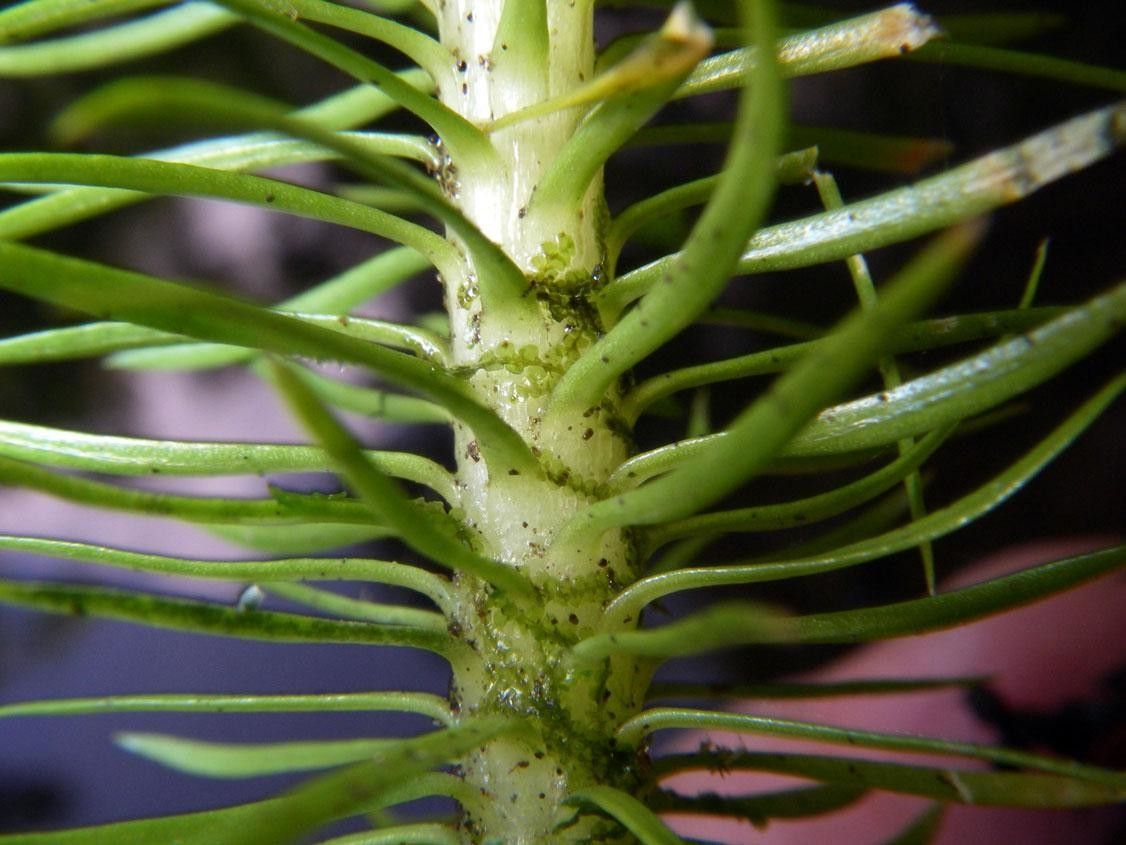
Oh, hello there! It’s wonderful to see you exploring the fascinating world of plant propagation. Today, we’re diving into the magic of multiplying Huperzia dichotoma, also known as the Forked Tassel Fern. If you’re drawn to its unique, almost prehistoric charm – those cascading fronds are just stunning, aren’t they? – you’re in for a real treat. Creating more of these beauties from just one is incredibly satisfying.
Now, let’s be honest, Huperzia dichotoma isn’t exactly the sort of plant you toss a cutting into water and expect miracles overnight. It demands a little more attention and understanding than, say, a pothos. So, for absolute beginners, this might be a bit of a challenge. But don’t let that deter you! With the right guidance and a good dose of patience, you’ll absolutely be able to succeed.
The Best Time to Start
Generally, the spring and early summer are your prime windows for propagating Huperzia dichotoma. This is when the plant is actively growing and has the most energy reserves to put into forming new roots. Look for new, plump growth that is not yet woody. Think of it as trying to capture that vibrant, youthful energy of the plant.
Supplies You’ll Need
Getting your workspace ready is half the battle. Here’s what I always have on hand:
- Sharp Pruning Shears or a very clean knife: For taking precise, clean cuts.
- Well-draining potting mix: A mix of peat moss, perlite, and a bit of orchid bark works wonders. You want it to hold some moisture but never be waterlogged.
- Small pots or trays: Clean, of course! Small ones are better for this delicate operation.
- Rooting hormone powder or gel: This isn’t strictly necessary for Huperzia dichotoma, but it can give your cuttings a significant boost.
- A clear plastic bag or propagation dome: To create a humid environment.
- Spray bottle: For misting.
- Optional: Bottom heat mat: This can significantly speed up root development.
Propagation Methods
Huperzia dichotoma is most commonly propagated through stem cuttings, though sometimes you’ll see people successfully divide larger clumps. For this guide, we’ll focus on stem cuttings as it’s the most accessible method.
Stem Cuttings:
- Select your stems: Gently examine your Huperzia dichotoma and identify healthy, vigorous stems. Look for segments that are about 3-5 inches long. Avoid any that appear leggy, weak, or damaged.
- Make the cut: Using your clean shears or knife, make a clean cut just below a leaf node. A node is that little swollen bit where leaves emerge from the stem. This is where roots are most likely to form.
- Prepare the cutting: Carefully remove the lower leaves from the bottom inch or so of the stem. This prevents them from rotting when buried or sitting in water.
- Apply rooting hormone (optional but recommended): Dip the cut end of the stem into your rooting hormone powder or gel. Tap off any excess.
- Plant your cutting: Prepare your small pots with your well-draining mix. Make a small hole with your finger or a pencil and gently insert the cut end of the stem, ensuring the node is buried in the soil. Firm the soil around the stem gently.
- Create humidity: Water the soil lightly and then cover the pot with a clear plastic bag, or place it under a propagation dome. Ensure the plastic doesn’t touch the leaves too much. If you’re using a pot without a lid, you can stick a few skewers into the soil to tent the bag over the plant.
- Place in ideal conditions: Place your potted cuttings in a bright spot with indirect light. Avoid direct sun, as this can scorch the delicate cuttings. If you have a bottom heat mat, place the pots on it to provide gentle warmth.
The “Secret Sauce” (Pro Tips)
Here are a few things I’ve learned over the years that make a big difference:
- Don’t overwater before rooting: This is crucial. Soggy soil is the enemy of cuttings. Water thoroughly once after planting, then only mist lightly if the soil surface starts to dry. The humidity from the cover will keep the leaves hydrated.
- Think like a tropical rainforest: Huperzia dichotoma thrives in high humidity. If your home is dry, even with a dome, you might need to mist the inside of the plastic cover or the leaves themselves every few days. Just don’t let them sit in standing water.
- Bottom heat is a game-changer: If you can get your hands on a seedling heat mat, use it. Keeping the soil consistently warm (around 70-75°F or 21-24°C) will dramatically speed up root formation. It mimics the warmth of the forest floor where these plants naturally grow.
Aftercare & Troubleshooting
Once you start to see signs of new growth – tiny leaves or a slight lengthening of the stem – that’s a fantastic indicator that roots are forming! This can take anywhere from 4-8 weeks, or even longer, so patience is key.
When roots have developed sufficiently (you might gently tug on the cutting and feel resistance, or see them peeking out of drainage holes), you can gradually acclimate your new plant to normal humidity. Start by opening the plastic bag or dome for a few hours each day, slowly increasing the time until it’s fully exposed. Continue to keep it in bright, indirect light.
The most common pitfall is rot. If your cutting turns black, becomes mushy, or just wilts dramatically and doesn’t recover after watering, it’s likely succumbed to too much moisture. This often happens if the soil is too dense, not draining well, or if it’s kept constantly saturated. If you see signs of rot, it’s best to discard the cutting and start again with a cleaner, better-draining mix and a more cautious watering schedule.
A Encouraging Closing
Propagating Huperzia dichotoma is a wonderfully rewarding journey. It’s a chance to connect with your plants on a deeper level and to multiply their beauty. Don’t be discouraged if your first attempt isn’t a roaring success. Every gardener learns from their experiences! So, get your hands dirty, keep those new cuttings happy and humid, and most importantly, enjoy the process. Happy propagating!
Resource:
https://identify.plantnet.org/k-world-flora/species/Huperzia%20dichotoma%20(Jacq.)%20Trevis./data