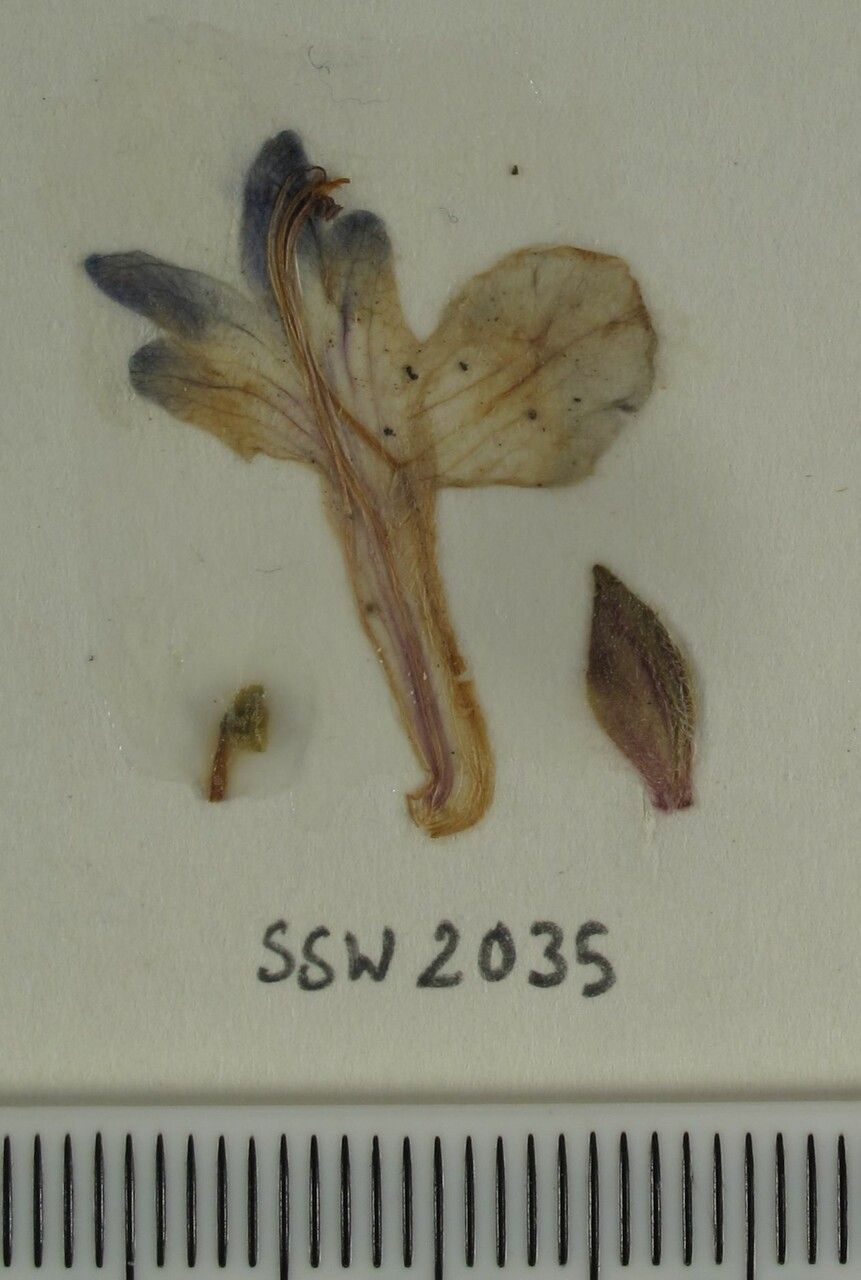
Oh, hello there! Pull up a chair, let’s chat about a little plant that has really captured my heart: Scutellaria prostrata, or as I affectionately call it, creeping skullcap. This charming groundcover is an absolute delight for the garden, spilling over edges with its delicate, often lovely blue flowers. It’s just one of those plants that makes you feel like you’ve accomplished something truly special when you multiply it. And the best part? It’s wonderfully straightforward to propagate. For anyone looking to dip their toes into plant propagation, this is a fantastic place to start!
The Best Time to Start
Honestly, I’ve had success with my Scutellaria prostrata pretty much any time during its active growing season. But if I had to pick the absolute sweet spot, it would be late spring to early summer. This is when the plant is really pushing out new, healthy growth. The stems are still somewhat flexible but have begun to firm up a bit, making them ideal for cuttings.
Supplies You’ll Need
Gathering your tools is half the battle, right? Here’s what I always have on hand:
- Sharp Pruning Shears or a Clean Knife: For making clean cuts that heal best.
- Potting Mix: A well-draining mix is crucial. I like a blend of seedling starting mix with some perlite for aeration. About a 50/50 ratio works wonders.
- Small Pots or Seedling Trays: Whatever you have that will give those little roots space.
- Rooting Hormone (Optional but Recommended): A powdery or gel form can give your cuttings an extra oomph.
- Watering Can or Spray Bottle: For gentle watering.
- Clear Plastic Bag or Humidity Dome: To create a mini-greenhouse effect.
Propagation Methods
For Scutellaria prostrata, I find the easiest and most reliable method is stem cuttings.
- Select Your Cuttings: Look for healthy, non-flowering stems. You want pieces that are about 3-4 inches long. Gently bend a stem; if it snaps cleanly, it’s likely a good candidate. If it bends without breaking, it might be a bit too soft.
- Make the Cut: Using your clean shears, make a cut just below a leaf node. A leaf node is where a leaf attaches to the stem. This is where the magic happens – where roots are most likely to form.
- Prepare the Cuttings: Gently remove the lower leaves from your cutting, leaving just two or three sets of leaves at the top. This prevents the submerged leaves from rotting.
- Dip in Rooting Hormone (If Using): Lightly dip the cut end into your rooting hormone. Tap off any excess.
- Plant Your Cuttings: Fill your small pots or trays with your prepared potting mix. Make a small hole in the center with your finger or a pencil. Carefully insert the cut end of the stem into the hole, ensuring it’s deep enough to be stable. Gently firm the soil around the stem.
- Water Gently: Water the soil thoroughly but gently. You want the soil to be moist, not waterlogged. A spray bottle works great for this initial watering to avoid disturbing the cuttings.
- Create Humidity: Cover the pots with a clear plastic bag or a humidity dome. This is vital to keep the humidity high around the cuttings while they’re trying to root. Make sure the plastic doesn’t touch the leaves if possible.
The “Secret Sauce” (Pro Tips)
Here are a couple of my little tricks that often make a big difference:
- Bottom Heat is Your Friend: If you can, place your pots on a propagation mat. This gentle warmth from below encourages root development much faster. It’s like giving your cuttings a warm hug!
- Don’t Rush the Transplant: Even when you see new leaf growth, it doesn’t always mean roots have formed nicely. Gently tug on a cutting. If you feel resistance, you’ve got roots! Don’t pull them out to check every day, though. Patience is key here.
Aftercare & Troubleshooting
Once your cuttings have started to root (you’ll feel that gentle resistance when you tug, or you might even see tiny roots peeking out of drainage holes), it’s time for a little adjustment. Gradually remove the plastic bag or dome over a few days to acclimate them to your home’s humidity. Continue to keep the soil consistently moist, but never soggy. Water when the top inch of soil feels dry to the touch.
The most common problem I see is rot. This usually happens from overwatering or poor drainage. If a cutting turns black and mushy, it’s a sign something’s wrong. Remove it immediately to prevent it from spreading to other cuttings. Ensure your soil mix is airy and that your pots have drainage holes.
A Little Encouragement
Propagation is a journey, my friends, and like any good garden project, it’s about patience and observation. Don’t get discouraged if a few don’t make it – that’s perfectly normal! Celebrate the ones that do take root, and enjoy the satisfaction of growing your beautiful Scutellaria prostrata from scratch. Happy propagating!
Resource: