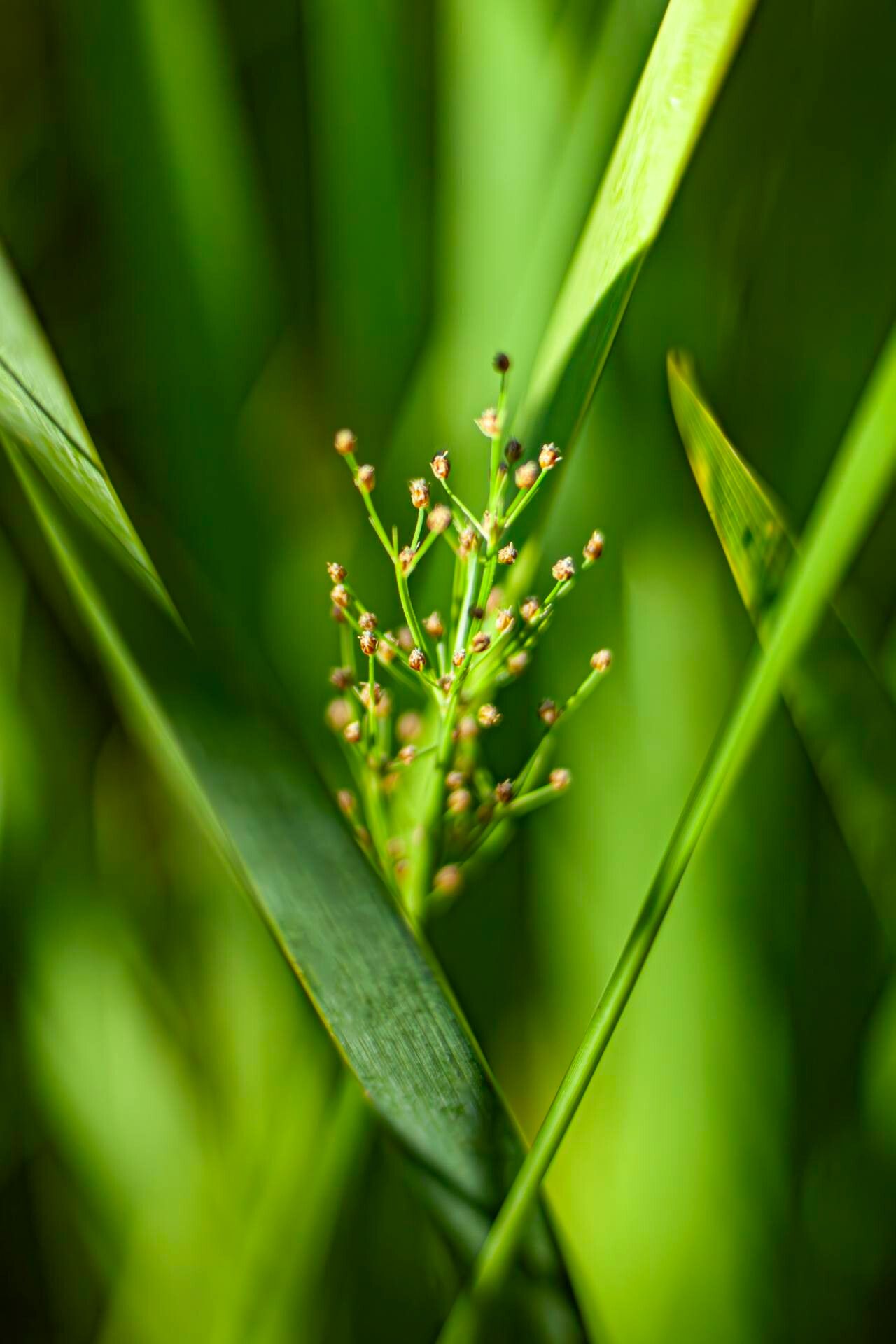
Hey there, fellow plant lovers! If you’ve ever admired Fimbristylis littoralis, that graceful grass-like wonder that brings such lovely texture and movement to a garden, you’re not alone. I’ve been captivated by its delicate yet resilient nature for years. And guess what? Propagating it is not only incredibly rewarding, but it’s also surprisingly accessible, even for those of you just dipping your toes into the world of plant multiplication. Think of it as giving the gift of green, to yourself and to others!
The Best Time to Start
For Fimbristylis littoralis, timing is key to give your new babies the best shot. I’ve found that the late spring to early summer is your sweet spot. This is when the plant is actively growing and bursting with energy. Starting propagation during this period means your cuttings or divisions will have ample warmth and light to establish themselves quickly. Avoid the heat of high summer or the chill of autumn – that’s leaving things a little too much to chance.
Supplies You’ll Need
Before we get our hands dirty, let’s gather our tools. This is part of the fun, building your little propagation station!
- Sharp Pruning Shears or a Clean Knife: For making those crucial, clean cuts.
- Well-Draining Potting Mix: A standard seed-starting mix or a blend of peat moss, perlite, and a little bit of compost works like a charm. You want it to be airy!
- Small Pots or Trays: Clean, shallow containers are best. Terracotta pots are great because they breathe.
- Rooting Hormone (Optional but Recommended): This can give your cuttings a nice little boost. Look for a powder or gel form.
- Watering Can with a Fine Rose or a Spray Bottle: For gentle watering.
- Plastic Bags or Domes (Optional): To create a humid environment for cuttings.
- Labels: Trust me on this one! You’ll thank yourself later.
Propagation Methods
Fimbristylis littoralis is a trooper, and thankfully, it’s quite forgiving with its propagation methods.
Division: The Easiest Path
This is my go-to for Fimbristylis littoralis, especially if you have a mature, healthy plant that’s looking a bit crowded.
- Gently Unpot: Carefully remove your Fimbristylis from its original pot. You want to disturb the roots as little as possible.
- Inspect the Root Ball: Look for natural divisions in the plant. You’ll often see where new shoots are emerging from the main clump.
- Separate with Care: Using your hands or a clean knife, carefully pull or cut the root ball into smaller sections. Each section should have at least a few stems and a decent amount of root. If you’re struggling, don’t be afraid to use that clean knife to make the separation.
- Pot Up Your Divisions: Plant each division into its own small pot filled with your well-draining mix. They should sit at the same depth they were in the original pot.
- Water Gently: Give them a good, gentle watering until water runs out of the drainage holes.
Stem Cuttings: A Little More Patience
This method takes a bit more finesse, but it’s incredibly satisfying when you see those tiny roots emerge.
- Take Your Cuttings: In late spring or early summer, select healthy, vigorous stems that are about 4-6 inches long. Use your sharp shears to make a clean cut just below a leaf node (where a leaf attaches to the stem). Remove the lower leaves, leaving just a few at the tip.
- Apply Rooting Hormone (Optional): Dip the cut end of the stem into your rooting hormone. Tap off any excess.
- Plant Your Cuttings: Make small holes in your prepared potting mix with a pencil or your finger. Gently insert the cuttings, ensuring the nodes where you removed leaves are buried. Firm the soil around them.
- Create Humidity: Water them gently. You can then cover the pots with clear plastic bags or dome lids to create a mini-greenhouse effect. Make sure the leaves aren’t touching the plastic if possible.
- Provide Light: Place the pots in a bright location out of direct sunlight.
The “Secret Sauce” (Pro Tips)
Here are a few things I’ve learned over the years that really make a difference:
- Don’t Overcrowd Your Cuttings: While it’s tempting to pack them in, give each cutting a little breathing room. This helps prevent fungal issues and allows for better air circulation, which is crucial for successful rooting.
- Bottom Heat is Your Friend: If you’re serious about cuttings, investing in a heat mat can be a game-changer. Consistent warmth from below encourages root development much faster than ambient room temperature alone. I use mine year-round for various propagation projects.
- Patience with the Pots: When dividing, don’t expect instant miracles. Give each division a couple of weeks to settle in. You’ll start to see new growth emerge from the crown, which is your sign that the roots are happily establishing themselves.
Aftercare & Troubleshooting
Once your Fimbristylis divisions show new growth, or your cuttings have developed a good root system (you can gently tug on them or check for roots emerging from the drainage holes), it’s time for them to graduate to slightly larger pots if needed. Continue to keep them in bright, indirect light and water them consistently, allowing the top inch of soil to dry out between waterings.
The most common culprit for failure is overwatering, which can lead to root rot. You’ll see wilting, yellowing leaves, and a general mushy look to the base of the plant. If you suspect rot, gently remove the affected plant from its pot, trim away any rotted roots, and repot in fresh, dry soil. Sometimes, a bit of fungicide can help too. Another issue is cuttings drying out – that’s where the humidity domes come in handy!
A Encouraging Closing
Propagating plants is such a wonderfully therapeutic and rewarding hobby. Be patient with your little Fimbristylis beginnings. Nature has its own rhythm, and while we can give them the best conditions, sometimes it just takes a little time. Celebrate every tiny new shoot, every hint of root development. Enjoy the journey, and know that you’re nurturing life, one beautiful plant at a time. Happy propagating!
Resource:
https://identify.plantnet.org/k-world-flora/species/Fimbristylis%20littoralis%20Gaudich./data