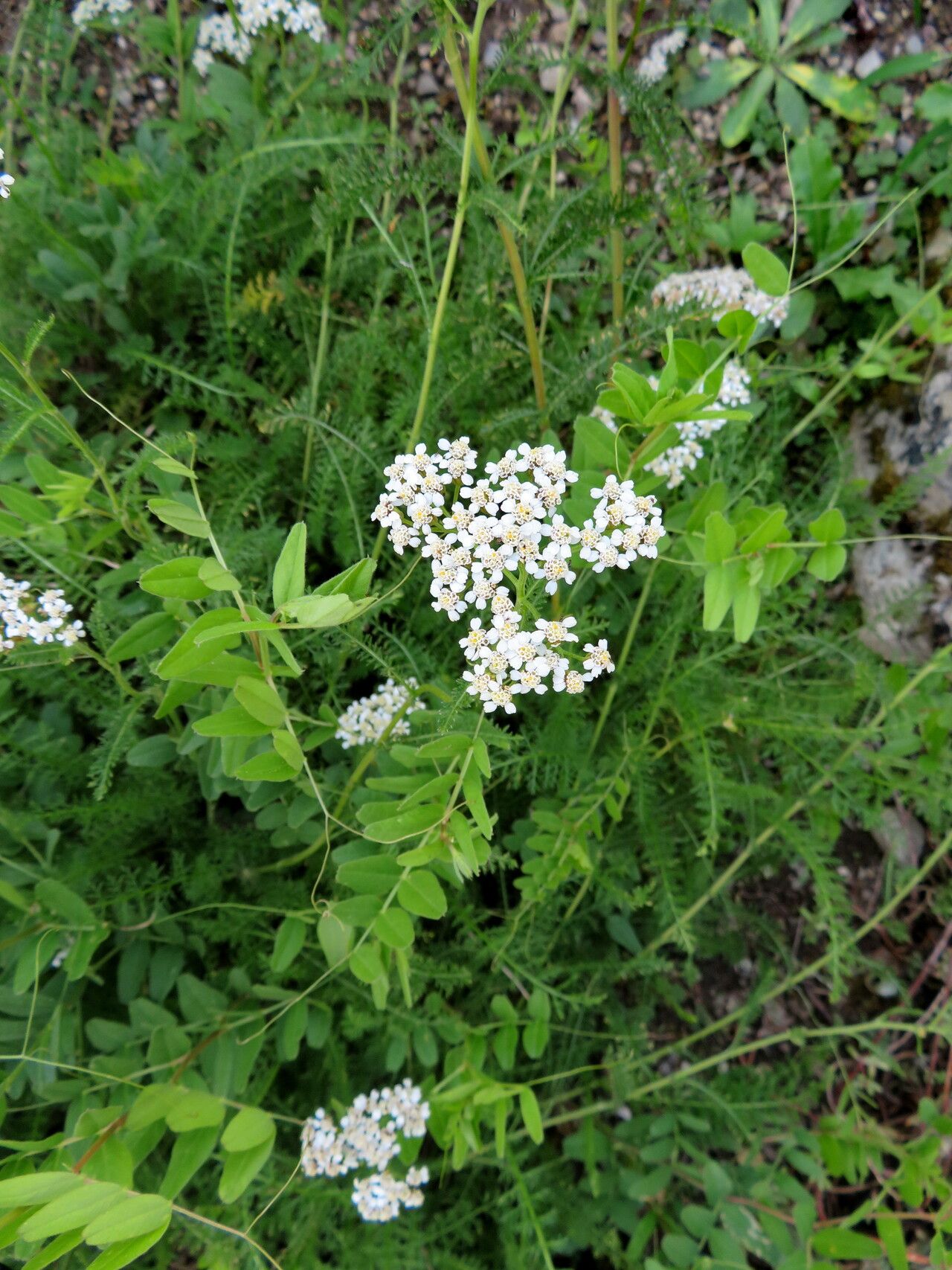
Oh, hello there! Grab a mug of something warm, and let’s chat about Achillea asiatica. If you’re looking for a plant that brings a touch of wildflower charm and loads of fluffy, delicate blooms to your garden, then this is it. I’ve been growing yarrow varieties for years, and Achillea asiatica holds a special place. Its airy flower clusters are perfect for cutting, and it’s surprisingly tough once it gets going. The best part? It’s also wonderfully easy to multiply! Don’t worry if you’re new to propagation; this one is definitely beginner-friendly. Making more of these beauties from plants you already love is one of the most satisfying gardening experiences.
The Best Time to Start
When it comes to Achillea asiatica, spring is your golden ticket. Once the soil has warmed up and the danger of frost has passed, the plant is bursting with new energy. This is the perfect time to take cuttings or divide established clumps. You’re essentially tapping into its vigorous growth phase, which gives your new plants the best possible start.
Supplies You’ll Need
You don’t need a whole fancy setup for this. Here’s my go-to toolkit:
- Sharp Pruning Shears or a Craft Knife: Cleanliness is key for healthy cuttings.
- Rooting Hormone (Optional but Recommended): A little boost can speed things up. I prefer the powder form.
- Seed Starting Mix or a Well-Draining Potting Mix: A light, airy mix is crucial to prevent waterlogging. You can mix in some perlite or coarse sand to improve drainage.
- Small Pots or Trays: Whatever you have available – terracotta pots breathe well.
- Watering Can with a Fine Rose: Gentle watering is best.
- Plastic Bags or a Cloche: To create a humid environment for cuttings.
- Labels: Trust me, you’ll thank yourself later!
Propagation Methods
Let’s get our hands dirty with two of my favorite ways to multiply Achillea asiatica.
Stem Cuttings
This is my absolute favorite method for increasing my stock.
- Select Healthy Stems: In late spring or early summer, look for non-flowering, actively growing stems. Aim for pieces about 3-6 inches long.
- Make the Cut: Using your clean shears, cut the stem just below a leaf node (where a leaf joins the stem). This is where roots tend to form.
- Prepare the Cuttings: Gently remove the lower leaves. You want to leave a few leaves at the top for energy, but clear the bottom half to prevent rot. If you’re using rooting hormone, dip the cut end into the powder now, tapping off any excess.
- Planting: Fill your small pots with your well-draining mix. Make a small hole with your finger or a pencil, and insert the cut end of the stem. Gently firm the soil around the stem.
- Create Humidity: Water the soil lightly. Then, cover the pot with a clear plastic bag or place it under a cloche. This traps moisture and creates that essential humid environment. You can secure the bag with a rubber band.
- Placement: Place the pots in a bright spot, but out of direct sunlight. A windowsill that gets filtered light is ideal.
Division
This method is fantastic for older, established clumps.
- Dig Up the Plant: In spring, carefully dig up the entire plant. Loosen the soil around it with a trowel or spade and gently lift it from the ground.
- Prepare for Division: Gently shake off excess soil to expose the root ball.
- Use Your Hands or a Tool: You can often gently pull the clump apart with your hands, especially if it’s a younger plant. For older, tougher clumps, you might need to use a clean spade or knife to cut through the roots. Aim to create sections that have roots and at least a couple of healthy shoots.
- Replant Immediately: Replant the divisions directly into their new spots in your garden or into pots filled with good soil. Water them well.
The “Secret Sauce” (Pro Tips)
Here are a few little tricks that really make a difference:
- Bottom Heat is Your Friend: For stem cuttings, a heat mat placed underneath the pots at around 70-75°F (21-24°C) can dramatically speed up root formation. It mimics the warmth of spring soil.
- Don’t Let Those Leaves Drench: If you’re rooting in water (though I usually prefer soil for yarrow), ensure no leaves are submerged in the water. They’ll just rot and can take the whole cutting down with them.
- Air Circulation is Key: Once your cuttings have rooted, start gradually introducing them to drier air. You can do this by opening the plastic bag for a few hours each day. This helps them adjust before you remove the cover completely.
Aftercare & Troubleshooting
Once you see signs of roots – usually a little bit of new growth at the tip or a gentle tug resistance on the stem – you’re on the right track!
- Watering: Water steadily but avoid waterlogging. Let the top inch of soil dry out slightly between waterings.
- Transplanting: Once your rooted cuttings have developed a good root system (they’ll look robust and have several sets of leaves), you can transplant them into larger pots or their permanent garden location.
- Signs of Trouble: The most common foe is rot, signaled by mushy, brown stems or leaves. This usually means too much moisture or poor drainage. If you spot it, try to remove the affected parts and ensure the soil is drier. Wilting can also happen if the cutting dries out too much, so keep an eye on moisture levels.
A Little Patience Goes A Long Way
Propagating Achillea asiatica is a truly rewarding journey. It’s a chance to connect with your plants on a deeper level, create more of what you love, and even share a bit of your garden magic with friends. So, be patient, enjoy the process, and soon you’ll have a whole meadow of fluffy yarrow to admire! Happy gardening!
Resource:
https://identify.plantnet.org/k-world-flora/species/Achillea%20asiatica%20Serg./data