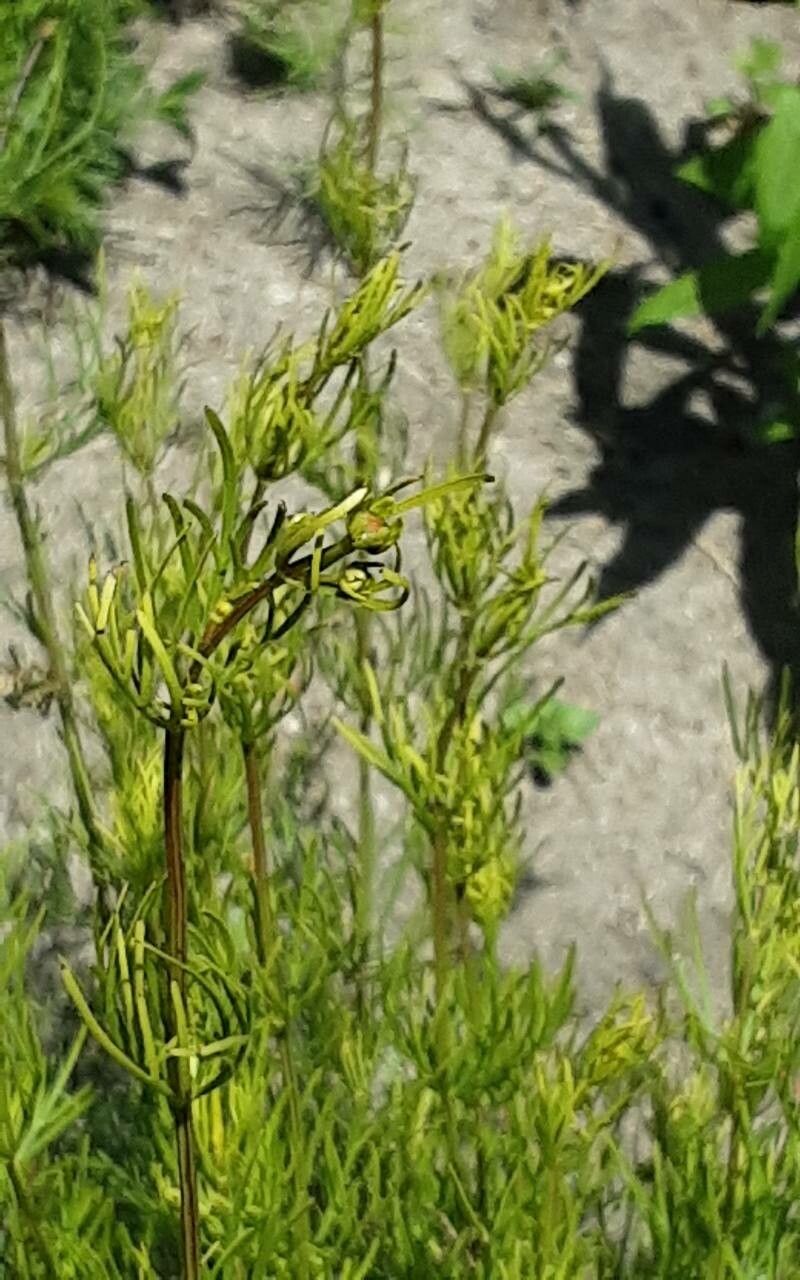
Hey there, fellow plant lovers! Today, I want to chat about one of my absolute favorites: Cosmos parviflorus. If you haven’t grown these beauties yet, you’re in for a treat. They’re like little bursts of sunshine, with delicate, charming flowers that seem to dance in the breeze. And the best part? Propagating them is totally doable, even if you’re just starting out on your green journey! It’s incredibly satisfying to watch those little cuttings take hold and grow into their own full plants.
The Best Time to Start
For cuttings, I always find that the late spring to early summer is your sweet spot. You’re looking for fresh, new growth that’s not yet woody. Think of those bright, leafy stems that are just reaching for the sky. This is when they’ve got the most energy and are primed to put out roots. If you miss this window, don’t despair; you can sometimes get away with an early fall collection if you have a warm enough climate or can provide protection.
Supplies You’ll Need
Gathering your supplies beforehand makes the whole process so much smoother. Here’s what I usually have on hand:
- Sharp, clean pruning shears or scissors: For making nice, clean cuts.
- Seedling potting mix: A light, airy mix that drains well is crucial. You can find specific cutting mixes, or blend your own with perlite and peat moss.
- Small pots or trays: Clean ones are a must to prevent disease.
- Rooting hormone (optional, but helpful!): A little powder or gel can boost your success.
- Watering can or spray bottle: For gentle watering.
- Plastic bags or a propagation dome: To create a humid environment.
- Labels and a marker: So you don’t forget what’s what!
Propagation Methods
Cosmos parviflorus is wonderfully amenable to stem cuttings. It’s my go-to method for getting more of these cheerful plants.
- Take Your Cuttings: With your clean shears, select healthy, non-flowering stems. You’re looking for pieces that are about 4-6 inches long. Make your cut just below a leaf node – that’s where the stem and leaf join. This is where the plant readily forms roots.
- Prepare the Cuttings: Gently remove the lower leaves from your cuttings. You want to expose the leaf nodes along the stem that will eventually go into the soil. If the leaves are large, you can even cut them in half to reduce water loss.
- Apply Rooting Hormone (if using): Dip the cut end of each stem into your rooting hormone. Just a little dip is all you need. Tap off any excess.
- Plant Your Cuttings: Fill your clean pots with your prepared potting mix. Make a small hole in the center of each pot with your finger or a pencil. Gently insert the callused end of each cutting into the hole, ensuring the nodes are buried. Lightly firm the soil around the stem.
- Create Humidity: Water your newly planted cuttings gently until the soil is moist but not waterlogged. Then, cover the pots with a plastic bag or place them under a propagation dome. This creates that humid microclimate plants love when they’re trying to establish roots.
The “Secret Sauce”
Here are a couple of tricks I’ve learned over the years that really seem to help Cosmos parviflorus cuttings along:
- Bottom Heat is a Game Changer: While not strictly essential, a little warmth from below can significantly speed up root development. A heating mat designed for seedlings placed under your trays makes a huge difference, especially if your house is on the cooler side. It tells the plant’s roots, “Hey, it’s time to get growing!”
- Air Circulation is Key to Avoiding Rot: While you want to maintain humidity, you don’t want stagnant, damp air. Once a day, lift the bag or pop the dome off for a few minutes to allow for some air exchange. This prevents fungal diseases from taking hold, which is the most common reason cuttings fail.
Aftercare & Troubleshooting
Once you see those little leaves looking perky and you gently tug on a cutting to feel some resistance (that’s your new roots!), it’s time to transition. Gradually reduce the humidity by leaving the covers off for longer periods. Continue to water when the top inch of soil feels dry.
The most common issue you’ll encounter is rot. If a cutting turns black and mushy, it’s usually a sign of too much moisture and not enough air circulation. Don’t be discouraged by this; it happens to the best of us! Just discard the rotten cutting and learn from it. If the leaves start to yellow and wilt and there’s no root development, it might mean the conditions aren’t quite right, or the cutting wasn’t strong enough to begin with.
A Encouraging Closing
Propagating Cosmos parviflorus is a journey of patience and observation. Don’t expect miracles overnight! Celebrate each tiny victory, like seeing a new leaf unfurl, and remember that even if some cuttings don’t make it, you’re learning and growing alongside your plants. Enjoy the process, and soon you’ll have a whole garden bursting with these delightful blooms. Happy growing!
Resource:
https://identify.plantnet.org/k-world-flora/species/Cosmos%20parviflorus%20(Jacq.)%20Pers./data