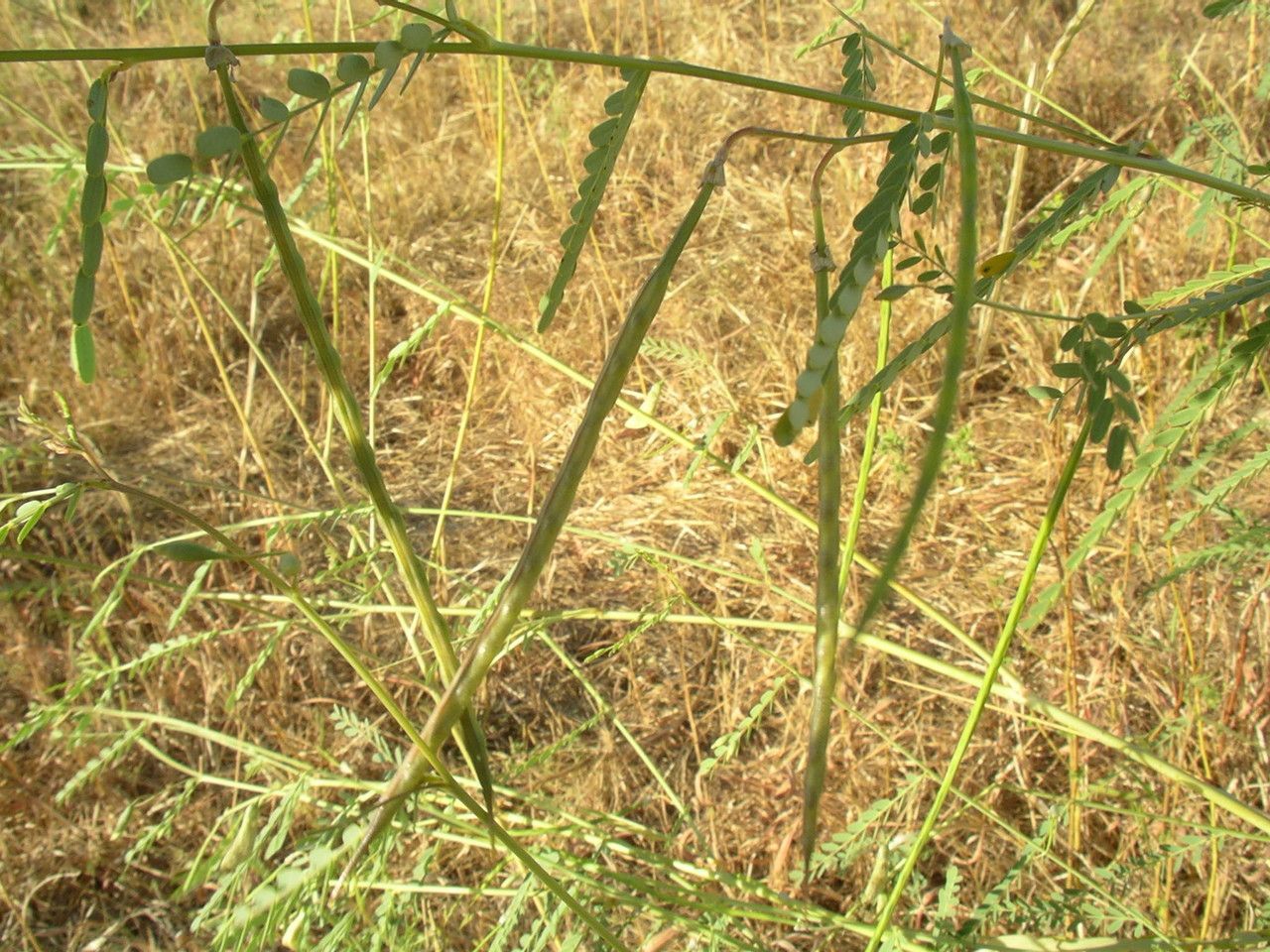
Oh, hello there! Come on in and pull up a chair. I’ve got my favorite mug of Earl Grey, and I’m just so excited to talk to you about Sesbania pachycarpa. If you’re looking for a plant that brings a bit of exotic charm and brilliant green to your garden, this is it! Its delicate, fern-like foliage and often showy flowers make it a real standout. And the best part? Propagating it is surprisingly achievable, even for those of you just dipping your toes into the propagation world. It’s a genuinely rewarding process, watching a tiny cutting transform into its own flourishing plant.
The Best Time to Start
For the highest success rate with Sesbania pachycarpa, you want to get started when the plant is actively growing. Late spring or early summer, after the risk of frost has passed and the days are getting warmer and longer, is usually your sweet spot. You’re looking for healthy, vigorous new growth – essentially, the plant is full of life and ready to expand!
Supplies You’ll Need
Here’s a little rundown of what you’ll want to have on hand. Nothing too fancy, I promise!
- Clean, sharp pruning shears or a sharp knife: For making clean cuts.
- Rooting hormone powder or gel (optional but helpful): This gives your cuttings a nice head start.
- Well-draining potting mix: A good general-purpose mix is fine, or you can create your own with equal parts peat moss, perlite, and compost.
- Small pots or seed trays: Clean ones are a must to prevent disease.
- Plastic bags or a propagation dome: To create a humid environment.
- A watering can or spray bottle: For gentle watering.
- A sunny windowsill or a warm spot: Where your cuttings can get good light without being scorched.
Propagation Methods
Sesbania pachycarpa is quite obliging, and I’ve found the most success with stem cuttings. It’s straightforward and gives you plenty of opportunities to create new plants.
Stem Cuttings:
- Select your cutting: Choose a healthy stem that is at least 4-6 inches long and has several sets of leaves. Ideally, you want a semi-hardwood cutting – that means it’s not brand new, soft growth, but not tough and woody either. New growth that has started to firm up is perfect.
- Make the cut: Using your clean shears or knife, make a clean cut just below a leaf node (where a leaf attaches to the stem). This is where the magic of rooting happens!
- Prepare the cutting: Gently remove the lower leaves, leaving just a couple of sets at the top. This prevents them from rotting once they’re in the soil.
- Apply rooting hormone (optional): If you’re using rooting hormone, dip the cut end of the stem into the powder or gel. Tap off any excess.
- Plant your cutting: Make a hole in your potting mix with a pencil or your finger. Insert the cut end of the stem about 1-2 inches deep. Firm the soil gently around it.
- Water gently: Water the soil thoroughly but gently, so you don’t dislodge the cutting.
- Create humidity: Cover the pot with a clear plastic bag, securing it around the rim with a rubber band, or place it under a propagation dome. This traps moisture and creates that humid environment cuttings adore.
- Find a warm spot: Place the pot in a bright location but out of direct, scorching sunlight. A warm windowsill is usually ideal.
The “Secret Sauce” (Pro Tips)
Here are a couple of things I’ve learned over the years that make a real difference:
- Don’t crowd your cuttings: Give them a little breathing room in their pot. Trying to cram too many into one small space can lead to airflow issues and increased risk of fungal diseases. Better to have fewer healthy cuttings than a whole pot of struggling ones.
- Bottom heat is your friend: If you can provide gentle warmth from below, like with a seedling heat mat, it can significantly speed up root development. Roots just love a bit of warmth to get going!
Aftercare & Troubleshooting
Once your cuttings are showing signs of life – new leaf growth is the best indicator – you can start to gradually acclimate them to open air. Carefully open the plastic bag or dome for increasing periods each day over a week or so. Continue to keep the soil consistently moist but not waterlogged.
If you see wilting that doesn’t recover after watering, it might mean the cutting hasn’t rooted and is struggling to take up water. Rotting at the base (a mushy, brown appearance) is a sign of too much moisture and poor airflow. Unfortunately, these are usually lost causes, but don’t get discouraged! It’s just part of the learning curve. Just remember to keep your supplies clean for the next attempt.
A Encouraging Closing
So there you have it! Propagating Sesbania pachycarpa is a delightful way to expand your plant collection and share the joy with friends. Be patient, observe your cuttings, and trust the process. Every gardener has had cuttings that didn’t make it, but those successes? They are so worth it. Happy propagating!
Resource:
https://identify.plantnet.org/k-world-flora/species/Sesbania%20pachycarpa%20DC./data